Biomedical engineering applies engineering to medicine, which means it is really a cluster of subfields sharing a mission: mechanics, materials, imaging, signals, and device design, all aimed at the human body. That breadth makes the reading order genuinely important. A survey text first gives you the map; specializing too early leaves you with depth in one corner and blindness everywhere else.
The path below starts wide, then goes deep in a deliberate sequence so each specialty builds on shared engineering foundations. Note the honesty rail common to any clinical field: these books teach the engineering, not the practice of medicine, and real device work is governed by regulation and safety standards that no textbook replaces.
The survey layer
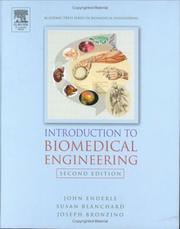
Start with Introduction to biomedical engineering, a broad foundations text that maps the whole discipline from physiology to signals to design. Pair it with Biomedical engineering, Saltzman's bridging course that connects engineering principles to living systems. Together they let you choose a specialty knowing what else exists.
Mechanics and materials
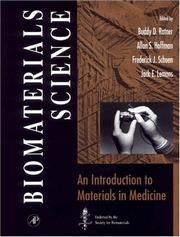
The body is a mechanical and material system. Biomechanics: Mechanical Properties of Living Tissues is Fung's foundational text on how tissues deform and bear load, and Basic Orthopaedic Biomechanics and Mechano-Biology extends that into bones, joints, and implants. For what devices are made of, Biomaterials science is the standard comprehensive reference, and An introduction to biomaterials offers a more approachable entry to the same material. This quartet covers the physical substrate of most medical technology.
Imaging, signals, and devices
Modern medicine runs on images and signals. Medical imaging signals and systems teaches the mathematics behind CT, MRI, and ultrasound, while The essential physics of medical imaging is the definitive physics reference for how those images are actually formed. With that grounding, Design of biomedical devices and systems walks through the engineering process of building instruments that meet clinical and regulatory demands, and Neuroengineering, Second Edition closes the path at one of the field's frontiers, interfacing engineering with the nervous system.
Read in this order, biomedical engineering resolves from an intimidating grab-bag into a layered discipline. Follow the full path from the survey to the specialties, and keep in mind that the clinical use of any device belongs to trained professionals and regulators, not the reader alone.
Follow the full reading path →
Ready to learn something deeply?
Build a reading path — free