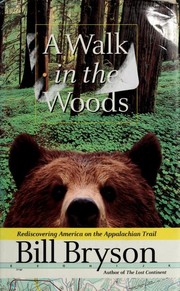
Start with A Walk in the Woods. Bryson wrote no series and no sequels, so there is no chronology to respect and the reading order is purely a question of which book gives you the best first hour. This one does: he sets out to walk the Appalachian Trail with a hopeless companion, fails in an entirely characteristic way, and produces the funniest sustained writing of his career while accidentally teaching you a great deal about American forestry.
The obvious alternative is A short history of nearly everything, which is his most admired book and his biggest seller. Do not start there. It is the pivot in his career from travel writer to explainer, and it works far better once you already know the digressive voice — the long paragraph that starts in a laboratory and ends in a pub is a joke you need to have heard before to enjoy at 600 pages.
The travel books
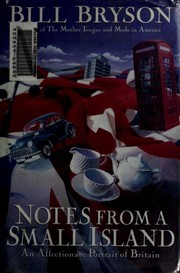
A Walk in the Woods first, then Notes from a small island, his farewell tour of Britain before moving back to America and the warmest thing he has written. These two are the consensus entry points for good reason.
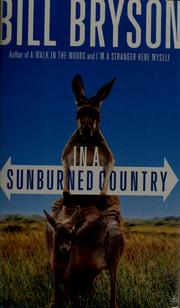
Then Down Under (In a Sunburned Country), which is one book with two titles — published as Down Under in Britain and In a Sunburned Country in America, and a permanent source of confusion for people who think they have found a book they have not read. It is the best of the later travel writing.
The Lost Continent is the sharpest and the least affectionate; it is Bryson driving through small-town America being funny at its expense, and some readers find it curdles. Neither here nor there is the weakest of the group, a Europe trip that leans harder on national stereotype than the others, and is the one to skip if you are skipping one.
Bryson explains the world
A short history of nearly everything is the pivot, and the others in this group assume you tolerate the method. It is slower going than the travel books despite the identical voice, because it is full of information you will want to retain.
The Body is a tour of human anatomy organised organ by organ, which makes it the easiest of the three to read in short sittings. At Home takes a Victorian rectory room by room and uses each as a doorway into the history of everything from mousetraps to cholera; it works best once you already enjoy a paragraph that starts in a kitchen and ends in the eighteenth century.
Language, childhood, history
The Mother Tongue is a history of English and is enormous fun, with one caveat worth carrying in: it is entertainment first and scholarship second, and linguists have contested a good deal of it. Enjoy it, and do not quote it in an essay.
The Life and Times of the Thunderbolt Kid is his memoir of a 1950s Iowa childhood and the most purely affectionate book on the path. One Summer is the outlier — a straight narrative history of America in 1927, longer and more conventionally researched than anything else here, and the book to read if you liked the explaining more than the jokes.
Where to stop
Three books is a complete Bryson for most readers: A Walk in the Woods, Notes from a small island and A short history of nearly everything. That covers the American, the British and the scientific, and nothing else on the path adds a fourth mode so much as another instance of one of the three.
If you have read those and want more, the honest split is by appetite. Readers who came for the comedy should go to The Life and Times of the Thunderbolt Kid and Down Under (In a Sunburned Country). Readers who came for the explaining should go to The Body and At Home. More single-author reading orders are on Discover.
Follow the full ordered path here: Bill Bryson Reading Order: Where to Start.