Picture the actual work of a social worker: sitting with a family in eviction court, earning the trust of a teenager who trusts no one, coordinating a hospital discharge for a patient with nowhere to go, testifying about a child's welfare. It is judgment inside messy human systems, built on relationships and physical presence. Automation forecasts consistently rank social work among the least replaceable professions — not because the work is simple, but because its core material is trust, and trust does not scale through a screen.
Two honest notes before the books. First, credentials matter here: most social work roles require a BSW or MSW from an accredited program, and clinical social work requires licensure with supervised hours — reading complements that path but cannot substitute for it. Second, this is emotionally heavy, modestly paid work; read your way in with open eyes. The right reading order does double duty: it builds the skills programs teach, and it shows you the reality before you commit tuition.
The path, stage by stage
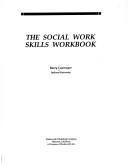
Start with the trade's actual toolkit. The Social Work Skills Workbook by Barry Cournoyer is the standard skills text — interviewing, assessment, documentation, ethics — and reading it first shows you concretely what the job is. Deepen the core skill with Interviewing for the Helping Professions by Fred R. McKenzie, and then Motivational Interviewing by William R. Miller, the evidence-based method for helping ambivalent people change — arguably the single most useful applied skill in the field. Round out the helping-process foundation with The Skilled Helper by Gerard Egan, the classic framework for structured, goal-directed helping.
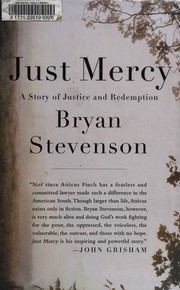
Then read the books that build systemic understanding — the part of social work that separates it from adjacent professions. Evicted by Matthew Desmond shows how housing instability manufactures poverty; it reads like a novel and teaches like a course. Just Mercy by Bryan Stevenson does the same for the legal system's failures. The Spirit Catches You and You Fall Down by Anne Fadiman is the essential case study in cultural collision inside American institutions.
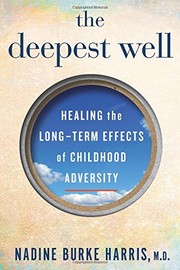
Next, the clinical knowledge stage. The Deepest Well by Nadine Burke Harris explains how childhood adversity shapes lifelong health — the ACEs framework that underpins modern trauma-informed practice. Trauma and Recovery by Judith Lewis Herman is the foundational text on trauma itself, and Unbroken Brain by Maia Szalavitz reframes addiction as a learning disorder — essential, compassionate correction to everything the culture gets wrong about it.
Finish with The Reflective Practitioner by Donald A. Schon, on how skilled professionals actually think in action — the habit of reflection that keeps social workers effective instead of burned out.
The full reading path sequences all eleven books into stages with study plans.
How to actually start
This quarter: volunteer or work in an adjacent role — case aide, shelter staff, crisis-line volunteer — because direct exposure is both the best test and the strongest MSW application material. Research BSW and MSW programs (including advanced-standing and part-time options for career changers) and their field-placement structures. Read the skills workbook alongside; you will use it on day one of any placement.
More at the subject hub, or compare helping careers at /subjects/ai-proof-career.
Ready to learn something deeply?
Build a reading path — free