Strip the automation question down to its core and you get this: what work is valuable precisely because a human does it? Caregiving is the cleanest answer in the economy. Bathing someone with dignity, noticing that a client seems off before it becomes a hospitalization, sitting with a family at the end — the human presence is not incidental to the job; it is the job. Meanwhile the demographics are unambiguous: an aging population needs vastly more care workers every year, and no technology on any horizon changes that.
What outsiders miss is how much skill separates adequate care from excellent care. Dementia behavior, body mechanics, end-of-life communication, infection control — these are learnable, and the people who learn them are trusted with more, promoted faster, and burn out less. Reading in order matters because the emotional frame has to come before the techniques. The full reading path starts there.
Stage 1: Why this work matters
Begin with Being Mortal by Atul Gawande — the book that reframes aging and end-of-life care around what people actually want, not what institutions find convenient. It gives every technique you learn afterward a purpose. It is also the best filter: if it moves you, this field will hold you.
Stage 2: The certified skills
The standard entry credential is the certified nursing assistant (CNA) course — typically four to twelve weeks plus a state exam — or home health aide training. Books complement that credential; they cannot replace it. Hartman's Nursing Assistant Care: The Basics from Hartman Publishing is the compact version of what CNA programs teach: transfers, hygiene, vitals, safety, and the daily craft of care. Mosby's Textbook for Nursing Assistants by Sheila A. Sorrentino is the fuller standard text — read Hartman's for the frame, keep Mosby's as your reference through training and your first year.
Stage 3: The specialist knowledge that sets you apart
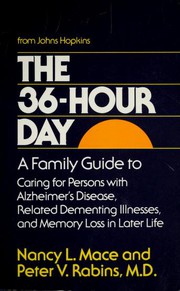
Most care careers run into dementia, and dementia care is a genuine specialty. The 36-Hour Day by Nancy L. Mace is the classic guide — behavior, communication, and the long arc of the disease, written with unusual compassion for the caregiver too. Pair it with Contented Dementia by Oliver James for a specific method built on entering the person's reality rather than correcting it; not everyone adopts the whole system, but it will change how you respond to distress. Then prepare for the part of care work most training skips: Final Gifts by Maggie Callanan, written by hospice nurses, teaches you to hear what dying people are actually communicating. The Art of Dying Well by Katy Butler completes the picture — practical, unsentimental guidance on what a good ending looks like, which families will quietly rely on you to know.
Your first 90 days
Month one: read Gawande, then enroll in a CNA or home health aide course — they are short, cheap, widely offered, and employers often sponsor them. Month two: train, work through Hartman's, and get hands-on hours. Month three: start working — home care agencies, assisted living, and hospices hire continuously — and begin the Stage 3 books on your own time. Be honest about the hard parts: the pay at entry level is modest, the work is physical, and the emotional weight is real. The counterweights are total employment security, visible daily meaning, and clear ladders — CNA to hospice specialist, to medication aide, to LPN or RN if you choose the nursing route.
AI will schedule the shifts and file the notes. It will never be the person in the room. Start at the subject hub, or see nearby paths at the nursing hub.
Ready to learn something deeply?
Build a reading path — free