If AI is good at anything, it is scale: one model, a billion identical users. Special education is the exact opposite — one student, one individualized plan, one hard-won relationship at a time. The work is reading a nonverbal child's frustration before it becomes a meltdown, adapting a lesson mid-sentence, coordinating parents and therapists and administrators, and holding legal accountability for a child's right to learn. Districts nationwide report persistent shortages of special educators. It is hard work that matters, and no serious forecast puts it anywhere near automation.
The honest caveat: teaching special education requires a state credential — typically a degree, a preparation program, and certification exams — and books cannot replace that. But this is also a field where understanding is the job, and the right books build it years faster than credits alone. Read in order — first how different minds work, then the law and the craft, then the systems context — and your preparation program becomes confirmation instead of firehose.
The path, stage by stage
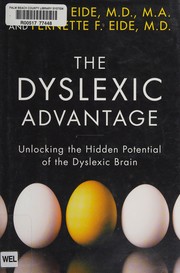
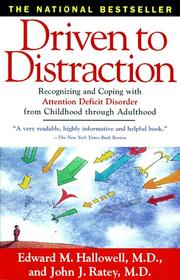
Start by getting inside different kinds of minds. The Dyslexic Advantage by Brock Eide reframes the most common learning difference as a different cognitive tradeoff, not a deficit — the mindset shift the whole field runs on. Driven to Distraction by Edward M. Hallowell remains the classic humane account of ADHD. Then read The Reason I Jump by Naoki Higashida, written by a thirteen-year-old nonverbal autistic boy — a short book that will permanently change how you interpret behavior you do not understand.
Then the craft and the law. The Explosive Child by Ross W. Greene teaches the collaborative model for kids with challenging behavior — kids do well if they can — which is the single most practical framework a new special educator can carry into a classroom. Wrightslaw by Peter W. D. Wright is the plain-English guide to special education law: IEPs, IDEA, parents' rights. Special ed is the most legally structured corner of teaching, and knowing the law is a professional superpower. Teaching Students with Special Needs in Inclusive Settings by Tom E. C. Smith is the methods textbook — accommodations, modifications, and co-teaching in real classrooms.
Next, the science of learning: How People Learn II from the National Academies summarizes what research actually says about how learning works across contexts and differences — the evidence base under all good instruction. The Elephant in the Classroom by Jo Boaler applies the growth-mindset lens to math, the subject where labeled students are most often written off.
Finish with context and reflection. Savage Inequalities by Jonathan Kozol is the unflinching classic on how unequally American schools are funded — necessary context for the system you are entering. Becoming a Critically Reflective Teacher by Stephen Brookfield gives you the habit that sustains long teaching careers: examining your own assumptions before they harden.
The full reading path sequences these ten books into stages with study plans.
How to actually start
This quarter: get into a classroom — paraprofessional and instructional-aide jobs are abundant, require no credential, and are the field's best try-before-you-commit path (many districts will then help fund your certification). Research your state's routes: traditional programs, alternative certification, and residency models for career changers. Read the minds-first books now; they will make every hour in the classroom more legible.
More at the subject hub, or compare human-centered careers at /subjects/ai-proof-career.
Ready to learn something deeply?
Build a reading path — free