AI chatbots now offer something that sounds like therapy, and demand for the real thing keeps growing anyway. That is not a paradox; it is the point. The active ingredient in therapy — decades of outcome research agree — is the relationship: a trained human who holds your history, notices what you cannot say, and stays accountable to a licensing board for your welfare. Tools will absorb the scheduling and the worksheets. The relationship is the job, and it is not automatable.
Full honesty up front: becoming a licensed therapist requires a master's degree (counseling, social work, or marriage and family therapy), supervised clinical hours, and a licensure exam — typically four to six years from first application to independent practice. No reading list replaces that. What a reading path does is answer the prior question cheaply: is this actually your work? And if it is, it makes you a far stronger applicant and student.
Stage 1: See the room from both chairs
Start with Maybe You Should Talk to Someone by Lori Gottlieb — a therapist's memoir that shows the profession from both sides of the couch, including its doubts and its comedy. Then read On Becoming a Person by Carl R. Rogers, the foundational statement of what makes helping relationships work: empathy, genuineness, unconditional positive regard. Rogers is where you learn why presence beats technique — the exact reason the work resists automation.
Before the clinical texts, two orientation books are worth the time. Psychology: An Introduction by Benjamin B. Lahey is a standard first-year survey, and it matters here because most master's programs expect undergraduate psychology coursework and many career changers arrive without it. Working through one introductory text closes that gap and tells you quickly whether the underlying science interests you. Then Orientation to the counseling profession by Bradley T. Erford is the least glamorous and most practically useful book on the path: what the licenses actually are, what CACREP accreditation means, what specialisations exist, what the scope of practice covers. Read it before you apply anywhere, not after.
Stage 2: The craft and its schools
The skilled helper by Gerard Egan is the standard training text on the mechanics of helping conversations — structured, practical, and used in counseling programs everywhere. Then survey the field's major approaches with Theory and practice of counseling and psychotherapy by Gerald Corey, the classic tour of psychodynamic, humanistic, cognitive, and systemic schools that every graduate student meets. Go one level deeper on the most evidence-backed modality with Cognitive behavior therapy by Judith S. Beck — the definitive modern manual, and a preview of the actual daily texture of clinical work.
Stage 3: Depth, ethics, and the wound
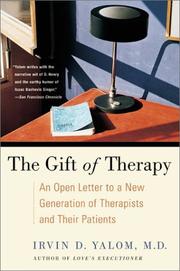
The Body Keeps the Score by Bessel van der Kolk reshaped how the field understands trauma — read it critically (parts are contested, as he acknowledges), but read it, because trauma-informed thinking now runs through all clinical work. Then take the profession's obligations seriously with Issues and ethics in the helping professions by Gerald Corey — confidentiality, boundaries, and duty of care are the license's spine. Finish with The Gift of Therapy by Irvin D. Yalom, eighty-five brief lessons from a master clinician; it reads best once you know enough to recognize how much wisdom is packed into each one.
One title in the listing is not a counseling book at all. The empathic civilization by Jeremy Rifkin is a sweeping work of social theory arguing that empathy has expanded across human history alongside energy and communication systems. It is an interesting book with nothing to say about clinical practice, licensure, or the therapy room, and it appears here because of the word empathy. Read it if the big-picture argument appeals; do not read it expecting career guidance.
How to actually start
Ninety-day version: read Stage 1 and volunteer for a crisis line — most train volunteers well and nothing tests your fit faster than real conversations with people in distress. Then read Stage 2 while researching programs: clinical mental health counseling, MSW (the most flexible license), or MFT, ideally CACREP-accredited or equivalent. If the volunteering confirms it, apply. Career changers are common and often favored in this field — admissions committees know life experience is clinical capital.
The economics deserve honesty too: graduate school costs real money, pre-licensure supervised years pay modestly, and independent practice comes later. People do this work because it is meaningful, durable, and human all the way down. Start at the subject hub, see the adjacent route at the social work hub, or follow the full reading path.