Here is the paradox that should reassure anyone eyeing a fitness career: workout plans have been free on the internet for twenty years, AI apps now generate them instantly — and personal trainers still have full books of business. That is because the product was never the plan. It is a human watching your squat and fixing it in real time, adjusting the session to your bad night of sleep, and being the reason you show up on a Tuesday when motivation is gone. Accountability, observation, and adaptation are embodied services. AI actually strengthens the case for great trainers by commoditizing the mediocre plan-selling ones.
That last point is the career strategy in miniature: the trainers who thrive from here will be the ones with real exercise science, real coaching skill, and real business sense — not a weekend certification and a template. Those three layers are exactly why reading order matters. Science first, then programming, then coaching psychology, then business.
The path, stage by stage
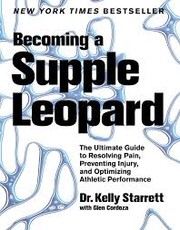
Start with the credential's backbone: NSCA's Essentials of Personal Training by Jared W. Coburn is the textbook behind one of the most respected certifications in the field — anatomy, physiology, assessment, and program design in one volume. This is your foundation and your exam prep in a single book. Alongside it, Becoming a Supple Leopard by Kelly Starrett teaches movement quality and mechanics — the coach's eye for position and fault-correction that separates trainers from rep counters.
Then go deep on the science of getting people stronger. Science and Practice of Strength Training by Vladimir M. Zatsiorsky is the serious text on how strength adaptation actually works, and Practical Programming for Strength Training by Mark Rippetoe turns that science into concrete programming across novice, intermediate, and advanced trainees. Add Sports Nutrition for Health Professionals by Natalie Digate Muth so you can answer the questions every client asks — within a trainer's proper scope, which stops short of medical nutrition therapy.
Next, the layer most trainers never study: behavior. Atomic Habits by James Clear is the client-facing playbook — your real job is engineering adherence, and habit design is how. Drive by Daniel H. Pink explains what actually motivates people (autonomy, mastery, purpose — not lectures), and The Coaching Habit by Michael Bungay Stanier teaches you to ask questions instead of monologuing, which transforms session quality faster than any new exercise.
Finish with the business reality: most trainers are effectively self-employed. Building a StoryBrand by Donald Miller teaches you to explain what you offer so clearly that the right clients pick you — the difference between a trainer with a marketing problem and one with a waitlist.
The full reading path arranges all nine books into stages with study plans.
Your first 90 days
Weeks 1 to 4: start the essentials textbook and register for a respected certification (NSCA, NASM, or ACE — employers care that it is accredited). Weeks 5 to 8: train yourself with a structured program from the programming books; your own training is your lab and your credibility. Weeks 9 to 12: sit the exam, then get hours fast — gym-floor jobs at commercial gyms trade lower pay for free education in coaching real bodies. Train friends, collect testimonials, and start the behavior-and-business books as your first paying clients arrive.
More at the subject hub, or browse every path at /discover.
Ready to learn something deeply?
Build a reading path — free