Physical therapy may be the purest example of work AI cannot do: the job is literally hands-on. A therapist palpates tissue, guides a joint through its range, feels compensation patterns, adjusts an exercise mid-rep, and coaches a discouraged human through months of recovery. Software can suggest exercise protocols; it cannot feel a shoulder guarding or rebuild someone's confidence after a fall. With an aging population and a healthcare system pushing toward movement-based, non-surgical care, demand for rehabilitation professionals keeps climbing.
The honest fine print: practicing as a physical therapist requires a Doctor of Physical Therapy degree and a license, and the physical therapist assistant route requires an accredited associate degree and its own license. Books cannot replace either. What they can do is enormous at the margins — make you a competitive applicant, carry you through the brutal anatomy semesters, and turn observation hours from confusing to fascinating. PT education is a prerequisite ladder, and you can start climbing it today.
The path, stage by stage
Start with the profession itself. Introduction to Physical Therapy by Michael A. Pagliarulo surveys what PTs and PTAs actually do across settings — ortho, neuro, pediatrics, acute care — and how the education and licensure system works. Read this first; it will tell you whether the DPT or PTA route fits your life.
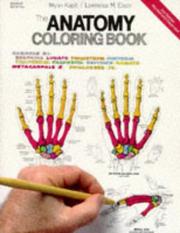
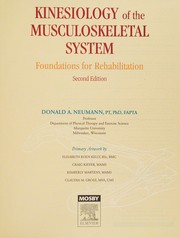
Then build the anatomy foundation, actively. The Anatomy Coloring Book by Wynn Kapit sounds unserious and is anything but — coloring structures forces the active recall that anatomy demands. Follow with Clinical Kinesiology and Anatomy by Lynn Lippert, the approachable standard for how muscles and joints produce movement, then graduate to Kinesiology of the Musculoskeletal System by Donald A. Neumann — the definitive, beautiful text on human movement mechanics that DPT programs lean on. That three-book anatomy ramp, in that order, is the core of the path: each one makes the next readable.
Next, the clinical layer. Pierson and Fairchild's Principles and Techniques of Patient Care by Sheryl L. Fairchild covers the fundamentals of safely handling real patients — transfers, positioning, body mechanics. Therapeutic Exercise by Carolyn Kisner is the classic on the profession's main tool: exercise as treatment, from foundations to progressions. Then Pathology by Catherine Cavallaro Goodman connects diseases and conditions to their implications for therapy, the context that turns technique into clinical reasoning.
For depth, two references you will meet again in school: Orthopedic Physical Assessment by David J. Magee, the comprehensive guide to examining joints and movement, and Physical Rehabilitation by Susan B. O'Sullivan, the cornerstone text for neuro rehab and beyond. Skim them now; study them later.
The full reading path organizes all nine books into stages with study plans.
How to actually start
This quarter: line up observation hours (PT programs require them — call local clinics and ask), start the anatomy ramp, and map prerequisites for DPT or PTA programs near you (anatomy, physiology, physics, psychology). If you need income sooner, the PTA route gets you treating patients in about two years; many PTAs later bridge toward the DPT. Working as a rehab aide is the classic try-before-you-commit move.
More at the subject hub, or compare hands-on health careers across /subjects/ai-proof-career.
Ready to learn something deeply?
Build a reading path — free