A home inspection is a strange and durable product: three hours of one person's trained attention, crawling through an attic, reading a panel, pressing on flashing, and turning what they find into a professional opinion a buyer can act on. AI can summarize the report afterward. It cannot climb the ladder, smell the moisture, or accept liability for missing a truss cut. For career changers who want independence — most inspectors are solo operators — it is one of the most accessible on-site professions there is.
Accessible does not mean shallow. A competent inspector holds a working model of every system in a house: structure, roofing, electrical, plumbing, HVAC, drainage. Building that model by wandering the internet takes years; building it in order takes months. The full reading path stages it from house knowledge to inspection craft to business.
Stage 1: Know houses cold
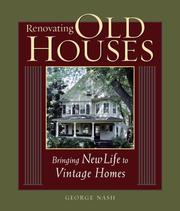
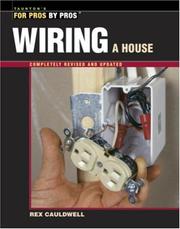
Start with Renovating Old Houses by George Nash — the best single education in how houses are actually built, how they age, and where they fail, told through the lens of old construction (which is most of what you will inspect). Then go deep on the system that fails most dangerously: Wiring a House by Rex Cauldwell teaches residential electrical from a master electrician's perspective, and inspectors who genuinely understand panels and grounding stand out immediately.
Stage 2: Learn the inspector's craft
The Complete Book of Home Inspection by Norman Becker is the standard walkthrough of the inspection itself — what to examine, in what order, and how to describe defects defensibly. Follow it with Inspecting a House by Rex Cauldwell for the tradesman's-eye version: sharper on what real-world failure looks like and on the judgment calls that separate checklist inspectors from trusted ones. Between these two you will also see the shape of your state's licensing requirements — most states require a course, an exam, and sometimes supervised inspections; the books complement that credential, they do not replace it.
Stage 3: Build the one-person business
Inspection is a referral business, and most new inspectors fail on business, not knowledge. The E-Myth Revisited by Michael E. Gerber explains the trap: being a good technician does not make a functioning business, and a solo inspection firm needs systems — scheduling, reporting, follow-up — from day one. Then read The Referral Engine by John Jantsch, because your entire pipeline is agents, past clients, and word of mouth, and referral generation can be engineered rather than wished for.
Your first 90 days
Month one: read Stage 1 and inspect your own home ruthlessly — attic to foundation, with notes and photos, as if a client paid you. Month two: enroll in your state's licensing course (or a national one where unregulated), read Becker alongside it, and ride along with a working inspector if you can arrange it — many will trade a ride-along for an extra set of eyes. Month three: pass the exam prep milestones, draft your report template, and introduce yourself to five real-estate agents. Expect the first year to be lean while referrals compound; inspectors with trade backgrounds ramp faster, but readers close the gap.
Fair warning: it is a liability-heavy, feast-and-famine business tied to housing cycles, and errors-and-omissions insurance is a real cost. But it is on-site, judgment-based, independent work — three qualities that age well in an AI economy. See the subject hub, or compare paths at the trades career change hub.
Ready to learn something deeply?
Build a reading path — free