If you want the clearest possible example of work AI cannot touch, picture a firefighter reading smoke from a doorway, deciding in seconds whether the building can be entered, and then going in. Embodied skill, physical courage, team trust, and judgment under uncertainty — every dimension of the job is human. Technology assists (thermal cameras, better gear, smarter dispatch); it does not go through the door.
What surprises career changers is that becoming a firefighter is mostly a competition, not just a decision. Departments routinely see hundreds of applicants per opening, and the process — written exam, physical ability test (CPAT), interviews, background — rewards systematic preparation. In other words: readers. Preparing in the right order beats scattershot forum-diving, and the full reading path is sequenced for exactly this competition.
Stage 1: Know the life you are choosing
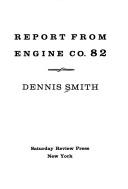
Start with Report from Engine Co. 82 by Dennis Smith — the classic firehouse memoir from the South Bronx's busiest years. It is the unfiltered version of the job: the boredom, the brotherhood, the calls that stay with you. Read it first because everything else in this path costs effort, and this book tells you whether the effort is for you.
Stage 2: Win the hiring process
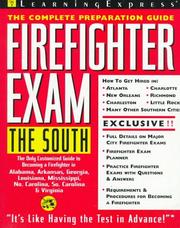
Firefighter Exam from LearningExpress is the drill book for the written test — reading comprehension, mechanical aptitude, spatial reasoning, math — in the formats departments actually use. Score matters; many departments rank candidates by it. In parallel, start building the body the CPAT demands: Firefighter Functional Fitness by Dan Kerrigan is fitness programming written by firefighters for fireground movements — stairs under load, drags, carries. Pair it with Tactical Barbell by K. Black for the strength base; its structured, sustainable programming suits people training for a test date rather than a mirror.
Stage 3: Get ahead of the academy
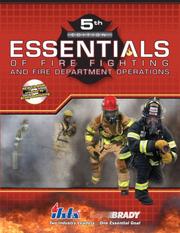
Essentials of Fire Fighting from IFSTA is the textbook most academies teach from — fire behavior, hose work, ladders, search, ventilation. Recruits who arrive having read it learn faster and stand out. And because the majority of calls at most departments are medical, read Emergency Care by Andrew W. Stern to get ahead on EMT material; many departments require or strongly prefer EMT certification, and having it before you apply is one of the biggest edges available.
Stage 4: Think like the officer you plan to become
Fireground Size-Up by Michael Terpak teaches the systematic read of a building and incident — construction type, smoke, exposures — that separates experienced fireground decision-makers. It is years ahead of where you are, which is why ambitious candidates read it: interviews notice people who think beyond the entry test. Later, books like Fire Investigator from IFSTA show the specialist tracks a fire career can grow into.
Your first 90 days
Month one: read Smith, get your EMT course scheduled (single semester, community college), and start the fitness program — CPAT readiness takes months, not weeks. Month two: drill the exam book on a schedule and research every department hiring within your radius; requirements and timelines vary widely. Month three: submit applications, keep training, and consider volunteer or reserve firefighting if your area offers it — it is both a trial of the life and a resume line departments respect. Expect the whole process to take a year or more, and expect to apply to multiple departments. That is normal, not failure.
The work is dangerous, the schedule reshapes family life, and the long-term health risks are real — honesty requires saying so. But it is secure, pensioned, deeply respected, and as far from automatable as work gets. Start at the subject hub, or pair this with the EMT and paramedic hub.