Basket weaving seems intuitive until your first attempt sags, splays, or falls apart. A basket holds its shape only through tension and structure that beginners rarely get right by feel. Learning the core techniques in order — and understanding your materials — turns loose tangles into sturdy, beautiful vessels.
The path below starts with fundamental weaves, moves into working with willow and natural materials, and ends in specialized techniques and basketry as an art form. Each book builds the control the next one assumes.
Learn the core techniques
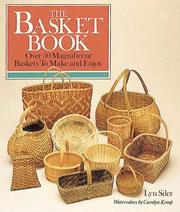
Start with The basket book by Lyn Siler, a clear project-based introduction to the essential weaves and shapes. The complete book of basketry techniques by Sue Gabriel is a thorough reference to the methods across the craft, and The techniques of basketry by Virginia Harvey provides a rigorous grounding in structure that sharpens everything you make.
Work with willow and natural materials
Traditional basketry means gathering and taming natural materials. Willow Work by Polly Lyster teaches working with willow, the classic basketry material, from soaking to weaving. Handmade Baskets from Nature's Harvest by Elizabeth Jensen shows how to use foraged plants and fibers, and The complete book of baskets and basketry by Dorothy Wright broadens your repertoire of materials and forms.
Explore coiling and basketry as art
Finally, specialize and elevate. Coiled Basketry by Shereen LaPlantz teaches the distinctive coiling method used in many traditions. The Secrets of Rustic Furniture and Basketry extends your skills toward larger structures, while Baskets: A Book for Makers and Collectors and Baskets as textile art by Ed Rossbach reveal basketry's deep history and its standing as serious contemporary art.
Work these in order and basketry becomes a structural craft you command rather than a hopeful weave. Follow the full path from your first sturdy vessel to basketry as art.
Follow the full reading path →
Ready to learn something deeply?
Build a reading path — free