The disappointment that ends many natural-dyeing experiments is color that washes out or turns muddy. Getting rich, lasting color from plants is not luck — it depends on fiber preparation, mordants, and understanding how dyes bond. Read in the right order and your results become predictable rather than hopeful.
The path below starts with the foundations of plant color, moves into growing and gathering dye plants and eco-printing, and ends in the deep worlds of indigo and dye chemistry. Each book resolves a question the last one raised.
Learn the foundations of plant color
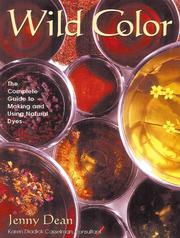
Start with Wild color by Jenny Dean, the standard reference on which plants yield which colors and how to mordant and extract them reliably. Harvesting Color by Rebecca Burgess connects dye plants to the seasons and landscape, and Botanical Colour at your Fingertips offers an accessible, modern approach for the home dyer.
Grow, gather, and print
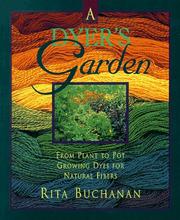
Deepen your practice with sources and techniques. A dyer's garden by Rita Buchanan helps you grow your own dye plants, and Eco Colour by India Flint pioneers the eco-printing methods that transfer leaf and petal shapes directly onto cloth. For applying color to fiber and yarn, Hand dyeing yarn and fleece is a practical hands-on guide.
Go deep on indigo and the science
The final frontier is indigo and the chemistry beneath it all. Indigo by Jenny Dean and A Heritage of Colour explore the plants and methods for the storied blue dye, while Indigo: Egyptian Mummies to Blue Jeans by Jenny Balfour-Paul traces its remarkable global history. To ground everything in theory, The Art and Science of Natural Dyes explains the chemistry that makes color fast and true.
Work these in order and natural dyeing becomes a craft you control rather than a gamble. Follow the full path from your first dye pot to a living indigo vat.
Follow the full reading path →
Ready to learn something deeply?
Build a reading path — free