Pyrography looks simple — burn lines into wood — until your first piece comes out scorched, uneven, and flat. Controlling heat, tip, and speed to get clean lines and smooth shading is a genuine skill, and rushing to ambitious subjects before you have it guarantees frustration. The right order builds control first.
The path below starts with fundamentals and pen control, moves into shading and realistic technique, and ends in specialized surfaces and subjects. Always work with proper ventilation and heat-safety habits; the books stress this alongside technique.
Master the fundamentals
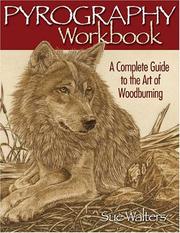
Start with Pyrography basics by Lora Irish, a clear introduction to tools, tips, wood selection, and the basic strokes. Pyrography Workbook by Sue Walters is the widely recommended teaching book, taking you through graduated exercises that build real control. The art & craft of pyrography by Lora Irish rounds out your foundation with technique and project ideas.
Build shading and realism
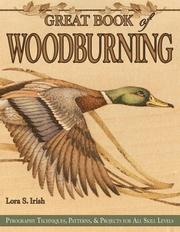
Once your lines are clean, learn to render. Great Book of Woodburning by Lora Irish is a comprehensive guide to shading, texture, and creating depth. Woodburning with style by Simon Easton pushes into refined technique and tonal control, and Realistic Animals in Pyrography by Lora Irish applies those skills to convincing wildlife portraits.
Explore new surfaces and subjects
Finally, branch out. Pyrography on Leather and Gourd Pyrography, both by Lora Irish, adapt your skills to surfaces beyond flat wood, each with its own quirks. Decorative Woodburning by Pauline Gale offers approachable projects to keep practicing and decorating everyday objects.
Work these in order and pyrography becomes controlled drawing in heat rather than hopeful scorching. Follow the full path from your first clean line to realistic burned art.
Follow the full reading path →
Ready to learn something deeply?
Build a reading path — free