The English Civil War is one of those subjects where the battles are the easy part. What makes it hard — and important — is everything around them: the constitutional crisis, the religious ferment, the trial and execution of a king, and the flood of radical ideas the upheaval released. Read a narrow military history first and you miss the point. Read in order and the wars, the causes, and the ideas lock together.
This path begins with a strong narrative, moves to the deep causes and central figures, and ends with the revolution's intellectual legacy.
Get the narrative
Start with The English Civil War by Diane Purkiss, a rich account that keeps ordinary people and lived experience at the center. Pair it with The English Civil Wars, 1640-1660, Blair Worden's concise, authoritative overview of the whole revolutionary period — the ideal framework for the deeper reading to come. Together they give you both the human texture and the clear outline.
Causes and central figures
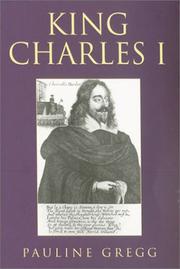
Now the why and the who. King Charles I is a sympathetic, careful biography of the monarch whose choices precipitated the crisis, and The causes of the English Civil War lays out the scholarly debate over how a functioning kingdom fell into war. On the other side stands Cromwell, our chief of men, Antonia Fraser's compelling life of the soldier-statesman who came to dominate the revolution. These three books turn the conflict from events into decisions made by real people.
Ideas, regicide, and legacy
The final arc reaches for meaning. The world turned upside down is Christopher Hill's classic study of the radical movements — Levellers, Diggers, and others — that the war unleashed, and it is essential for grasping what was truly at stake. The Trial of Charles I narrates the extraordinary act of putting a king on trial and executing him, while The Regicides and the Puritan Revolution follows the men who did it and what became of them. For the constitutional dimension, Liberty and Authority in Early Modern England examines the era's arguments about power and freedom, and God's Fury, England's Fire offers a magnificent modern synthesis of the whole conflict as a national trauma.
Read in this order, the English Civil War becomes what it really was: a revolution in politics and thought, not just a clash of armies. Follow the full path to work through it stage by stage.
Follow the full reading path →
Ready to learn something deeply?
Build a reading path — free