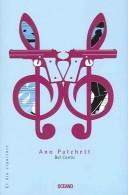
Start with Bel Canto. A birthday party in an unnamed South American country, a hostage siege that lasts months, an opera singer, and a slow drift into something closer to a household than a standoff. It is the novel where Patchett's whole method becomes visible: put unrelated people in a sealed room, remove their ordinary lives, and watch what they become to each other. Nothing else she wrote states the theme so cleanly.
The obvious alternative is The Dutch House, which is the book most people have been handed in the last few years and is genuinely easier to love — a brother and sister, a house they lose, decades of sitting in a parked car outside it. Choose it first only if long stretches of stillness put you off, because Bel Canto asks you to accept an implausible premise for four hundred pages and The Dutch House asks nothing at all. If you want the writer at full stretch, start with the siege.
The core novels, in the order that works
After Bel Canto, read The Dutch House. It is the most controlled book she has written and the clearest demonstration that her subject is not really strangers at all — it is families, invented or inherited.
Then State of wonder, the Amazon novel: a pharmacologist sent upriver after a colleague's death, a mentor who does not want to be found. It is the closest Patchett comes to plot-driven fiction and the ending divides readers sharply, some finding it abrupt and others thinking it the only honest way out. Read it and decide.
Then Commonwealth, which follows two families spliced together by one kiss at a christening party across fifty years and six children. It is the least tidy of the novels and the most alive.
Tom Lake is the right late stop: a mother telling her three grown daughters about a summer romance while they pick cherries during a lockdown. It is quieter and more forgiving than the rest, and it works best once you already know what she can do with pressure, because here she deliberately releases it.
The early novels
The Patron Saint of Liars and The magician's assistant are apprentice books in the best sense — recognisably hers, less certain in their control. The first is set in a home for unwed mothers in Kentucky; the second follows a widow who discovers her husband's family in Nebraska. Both have devoted readers. Neither will convert a sceptic, and starting with them is the most common way people conclude Patchett is a merely pleasant writer.
Her second novel, Taft, and the later Run and The Magician of Lublin-adjacent work are not all present in this path; the catalogue is thinner on the early fiction than on the recent books. That is a gap on our side rather than a comment on the books.
The nonfiction, which is not an afterthought
Truth and Beauty is the memoir of her friendship with the writer Lucy Grealy, and it is the most emotionally direct thing in her catalogue. It was contested on publication because Grealy's family objected to it, and that dispute is worth knowing about before you read; the book itself is unsparing about both women.
These Precious Days collects essays on marriage, on not having children, on her father, on the bookstore she co-owns. If you only ever read one non-novel of hers, read this one — several readers find it the best book she has written, which is an unusual thing to say about an essay collection.
Where to stop
Three books make a complete reading: Bel Canto, The Dutch House and These Precious Days. Add Commonwealth if the family material is what pulled you in, and State of wonder if the sealed-room premise was. There is no series, no continuity and no obligation — every book stands alone, which means you can stop anywhere without leaving a thread hanging.
Browse more author reading orders on Discover.
Follow the full reading path →