Start with The bloody chamber and other stories. It runs about 150 pages, it holds the best sentences Carter ever wrote, and every element of the mature writer is already in it: the fairy tale turned inside out, prose piled with fur and blood and mirrors, heroines who decline the part the old story assigned them. Read the title story and the two Beauty-and-the-Beast variations and you will know within an afternoon whether this writer is yours.
The obvious alternative is Nights at the circus, her most garlanded novel, and it is the wrong opening move. It is big, digressive and deliberately overstuffed, and its pleasures depend on already trusting the writer enough to follow her down a side corridor for forty pages. Readers who meet Carter there frequently report drowning in ornament and concluding she is all surface. Start short, then earn the novels.
The novels to read next
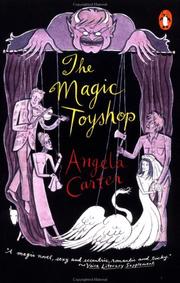
The magic toyshop is the natural second book. It is her most conventionally shaped novel — an orphaned girl, a tyrannical uncle, a house full of puppets — and the gothic machinery is legible enough that you can watch what she is doing with it. It is also genuinely frightening in places.
Then Wise Children, her last novel and the warmest thing she wrote: twin chorus girls, illegitimate Shakespearean dynasties, seventy-fifth birthdays, jokes on nearly every page. Many readers find it the most purely enjoyable book in the catalogue, and it is a good corrective if the earlier work left you thinking Carter was chilly.
Only then Nights at the circus. Fevvers the winged aerialiste, a Russian tour, a journalist who cannot decide what he is looking at. It is her most ambitious novel and it will now read as expansive rather than exhausting, because you have the measure of the voice.
The difficult middle period
Two novels belong in their own category, and pretending otherwise does readers no favours.
The Infernal Desire Machines of Doctor Hoffman is a picaresque of collapsing reality that most readers find easier to admire than to finish. The Passion of New Eve is a violent, deliberately unpleasant fable about the surgical manufacture of gender, and it contains sexual violence handled with intent rather than sensitivity. Both are important to understanding Carter's argument with her own era. Neither is where anyone should begin, and it is entirely reasonable to read a summary of them and move on.
Her first four novels — Shadow Dance, Several Perceptions, Love and Heroes and Villains — are not in this path. Their absence is a gap in our catalogue rather than a judgement; Heroes and Villains in particular has real admirers.
The essays, and the complete stories
The Sadeian woman is criticism, not fiction: a reading of the Marquis de Sade as a writer who accidentally exposed the machinery of pornography. It was contested when it appeared and remains so, with some feminist critics reading it as a defence of Sade and others as a dismantling of him. Read it after the fiction, when you can hear the argument it is having with The bloody chamber and other stories.
Shaking a leg collects her journalism and is the best late stop in the path — Carter on food, on Japan, on other writers, on being broke. It is where her intelligence is least costumed.
Burning Your Boats gathers the short fiction, including everything in the earlier collection. If you want one book to own rather than five, it is that one, but do not use it as your entry point: the very early stories are apprentice work and will misrepresent her.
Where to stop
A complete, honest Carter reading is four books: the stories, The magic toyshop, Wise Children and Shaking a leg. That covers the range, skips nothing essential, and leaves the two hard novels for a reader who decides they want the whole argument. She died in 1992 at fifty-one, so the shelf is small and finite — which is part of why the difficult books get read at all.
Browse more author reading orders on Discover.
Follow the full reading path →