Subjects / Speech-language pathology
Best books to learn Speech-language pathology, in order
Speech-language pathology is knowledge-dense, so read it in order: understand the range of communication and swallowing disorders and whether the clinical work fits, then the linguistics, anatomy, and assessment behind Praxis exam prep, then the day-to-day of therapy across schools and clinics. Sequencing keeps the theory anchored to clients. But a graduate degree, supervised clinical hours, the Praxis, and state licensure are the real requirement—books build the foundation beneath them, not the license itself.
Reading paths for speech-language pathology
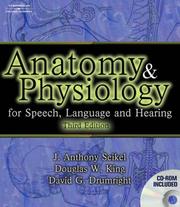
Speech-language pathology: an ordered reading list into the SLP career
Beginner5books65 hrs4 stages
@worksherpa♥ 0
Popular speech-language pathology books


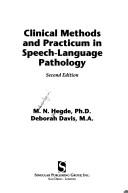

Related reading
Frequently asked questions
- How should I approach learning speech-language pathology?
- Speech-language pathology is knowledge-dense, so read it in order: understand the range of communication and swallowing disorders and whether the clinical work fits, then the linguistics, anatomy, and assessment behind Praxis exam prep, then the day-to-day of therapy across schools and clinics. Sequencing keeps the theory anchored to clients. But a graduate degree, supervised clinical hours, the Praxis, and state licensure are the real requirement—books build the foundation beneath them, not the license itself.
- What's a good book to start speech-language pathology with?
- A strong starting point is Language development: an introduction by Robert E. Owens. The ordered reading paths above show exactly where it fits and what to read next.
- What should I read after speech-language pathology?
- Once you have the fundamentals, explore closely related subjects like MRI & CT technologist, Medical laboratory scientist, Registered dietitian.