Instructional design is the craft of building learning experiences that actually stick, and it is more rigorous than it looks: it rests on cognitive science, structured design processes, and clear visual communication. Newcomers often start with authoring tools and templates, mistaking software fluency for the real skill, which is understanding how people learn.
The order that works builds the science of learning first, then the design models and processes, then the specific craft of e-learning, and finishes with the presentation and visual skills that make materials land. You do not need a specific degree to enter the field, but you do need demonstrable skill and a portfolio, and these books are the fastest way to build the judgment behind both.
How people learn
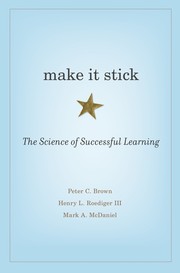
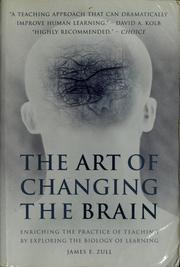
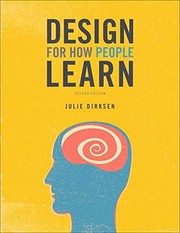
Start with the evidence. Make It Stick by Peter Brown distills the research on how learning really works — retrieval, spacing, interleaving — and it should reshape how you design anything. The art of changing the brain by James Zull connects learning to how the brain physically changes, deepening your intuition. Design for how people learn by Julie Dirksen is the perfect bridge, translating that science into concrete design decisions in warm, practical language.
Design models and process
Next, learn the frameworks that structure the work. The systematic design of instruction by Walter Dick is the classic text on the ADDIE-style systematic approach that still underpins much of the field. E-Learning and the science of instruction by Ruth Colvin Clark is essential and evidence-based, covering how multimedia and layout affect learning — arguably the most cited book on this path. Then Michael Allen's Guide to E-Learning and Leaving ADDIE for SAM, both by Michael Allen, introduce iterative, prototype-driven design, giving you a modern counterpoint to the linear models.
Communication and craft
The final arc is making it look and feel right. Presentation Zen by Garr Reynolds teaches clarity and restraint in visual communication, a skill every course and slide deck needs. The Non-Designer's Design Book by Robin Williams gives you the core visual design principles — alignment, contrast, proximity — that instantly improve your materials. And Show Your Work! by Austin Kleon nudges you to build in public and share your process, which is how many designers actually get noticed and hired.
Read in this order and instructional design becomes a coherent discipline from learning science to finished course. Follow the full path, build a portfolio of real projects as you go, and you will have both the knowledge and the demonstrable work that hiring teams want.
Follow the full reading path →
Ready to learn something deeply?
Build a reading path — free