Weaving from scratch: the best books to learn the loom, in order
This curriculum takes a complete beginner from zero weaving knowledge to confidently setting up and weaving on both frame and floor looms. Each stage builds on the last: first you learn the language and logic of weaving, then you practice hands-on with simple equipment, then you graduate to the floor loom and structured pattern work, and finally you refine your craft with finishing and design thinking.
Foundations: Language & Logic of Weaving
BeginnerUnderstand how cloth is constructed, learn essential weaving vocabulary (warp, weft, sett, shed, selvedge), and build the mental model needed to follow any loom instructions.
▸ Study plan for this stage
Pace: 4–5 weeks, ~20–25 pages/day with pauses for reflection and vocabulary review
- The three-part structure of cloth: warp (lengthwise threads), weft (crosswise threads), and how they interlace to create fabric
- Essential vocabulary: sett (thread density), shed (the opening created by raising/lowering warp threads), selvedge (finished edge), and pick (one pass of weft)
- How loom mechanics translate the warp-and-weft concept into physical action: threading, raising sheds, and passing the shuttle
- Plain weave as the foundational structure: over-one-under-one interlacing and why it's the basis for understanding all other weaves
- How yarn properties (fiber, weight, twist) and sett choices affect the final cloth's appearance, drape, and durability
- The relationship between draft notation and actual weaving: reading and interpreting weaving patterns on paper
- What is the difference between warp and weft, and why does this distinction matter for understanding any weaving pattern?
- Define sett, shed, and selvedge in your own words, and explain why a weaver needs to know these terms before approaching a loom.
- How does plain weave work, and why is it considered the foundation for all other weave structures?
- What information does a weaving draft convey, and how would you use it to set up a loom?
- How do yarn weight and fiber content influence the sett you would choose for a particular project?
- Describe the mechanical sequence on a loom: how does the shed form, and what role does the shuttle play?
- Thread a simple cardboard loom or rigid heddle loom using the plain weave structure, paying attention to how warp and weft interact and where the shed opens.
- Create a hand-drawn weaving draft on graph paper for a small plain weave sample (at least 10×10 threads), then weave it and compare the result to your draft.
- Collect three yarn samples of different weights and fiber types; for each, calculate or estimate an appropriate sett and explain your reasoning in writing.
- Practice reading and interpreting three different weaving drafts from the book, marking the warp threads, weft color changes, and shed positions.
- Weave a 4-inch plain weave sampler on any available loom, focusing on maintaining consistent sett and identifying the selvedge edges.
- Write a one-page explanation of how the terms warp, weft, sett, shed, and selvedge all work together in a single weaving project.
Next up: This stage establishes the shared language and mental model of cloth construction, enabling you to move into more complex weave structures (twill, satin, etc.) and specialized techniques with confidence and clarity.

Pairs beautifully with Osterkamp's primer by showing how basic structures translate into real, attractive projects — building visual intuition before you touch a loom.
First Threads: Frame Loom & Rigid Heddle
BeginnerWarp, weave, and finish complete pieces on a frame loom and rigid-heddle loom — the most accessible starting points before moving to a floor loom.
▸ Study plan for this stage
Pace: 4–5 weeks, ~20–25 pages/day with regular loom practice sessions
- Frame loom fundamentals: construction, warping techniques, and tension management
- Rigid heddle loom mechanics: how the heddle raises and lowers warp threads to create sheds
- Basic weaving structure: plain weave as the foundation for all other patterns
- Finishing techniques: binding off, hemming, and blocking to complete professional-looking pieces
- Yarn selection and fiber properties: how different materials affect drape, durability, and appearance
- Scaling patterns and designs: adapting projects to different loom sizes and yarn weights
- Troubleshooting common weaving problems: tension issues, broken warps, and uneven edges
- How do you properly warp a frame loom and rigid heddle loom, and what is the relationship between warp tension and finished piece quality?
- Explain how a rigid heddle creates a shed and why this mechanism makes it easier for beginners than other loom types.
- What is plain weave and why is it the essential foundation for learning more complex weaving patterns?
- Describe at least three finishing techniques from the book and when you would use each one.
- How do fiber content and yarn weight influence your choice of project and the final appearance of your woven piece?
- What are the most common weaving mistakes beginners make, and how do you prevent or fix them?
- Warp and complete a simple plain-weave project on a frame loom (e.g., a small wall hanging or coaster)
- Warp and weave a second project on a rigid heddle loom, focusing on consistent tension and even edges
- Practice at least two different finishing techniques on scrap pieces before applying them to finished projects
- Experiment with 3–4 different yarn weights and fiber types on small samples to observe how they behave and affect the final texture
- Intentionally create and then fix a common weaving problem (e.g., loose warp, uneven selvedge) to build troubleshooting skills
- Design and execute a scaled version of a pattern from the book on a different loom size or with different yarn
Next up: This stage equips you with hands-on mastery of the two most accessible looms and the confidence to troubleshoot basic weaving problems, preparing you to move into more complex structures and multi-shaft looms where you'll apply these foundational skills at a larger scale.

Bridges frame and rigid-heddle weaving with clear step-by-step projects, introducing the rigid-heddle loom as a natural next step up in structure and speed.
Moving to the Floor Loom
IntermediateSuccessfully dress and weave on a multi-shaft floor loom, understanding threading, tie-up, treadling, and how to read and follow a draft.
▸ Study plan for this stage
Pace: 4–5 weeks, ~20–25 pages/day, with 2–3 dedicated loom practice sessions per week
- Understanding the anatomy and mechanics of a multi-shaft floor loom (frame, shafts, heddles, treadles, beater)
- Reading and interpreting weaving drafts (threading diagrams, tie-up charts, treadling sequences)
- The threading process: selecting yarn, calculating thread length, sleying the reed, and threading heddles correctly
- Tie-up configuration: connecting treadles to shafts to create the desired shed openings
- Treadling sequences and their relationship to pattern creation in plain weave and simple twills
- Warping techniques specific to floor looms and tension management
- Troubleshooting common issues (broken threads, uneven tension, threading errors)
- How do you read a weaving draft, and what do the threading diagram, tie-up chart, and treadling sequence each represent?
- What are the steps for threading a multi-shaft floor loom, and why is accurate threading critical to successful weaving?
- How does the tie-up configuration determine which shafts rise or fall when you press each treadle?
- What is the relationship between the draft, the tie-up, and the treadling sequence in creating a woven pattern?
- How do you warp a floor loom, and what techniques help maintain even tension across all threads?
- What are common threading and weaving errors, and how do you identify and correct them?
- Thread a practice warp on your floor loom using a simple 4-shaft plain weave draft; document each step (sleying, threading, tie-up) with photos or notes
- Read and interpret three different weaving drafts from Chandler's book; sketch out the threading diagram, tie-up, and predicted pattern for each
- Set up the tie-up for at least two different patterns (plain weave and a simple twill); test each by treadling and observing how shaft combinations create sheds
- Weave a 12–18 inch sample on your floor loom using a basic draft; troubleshoot any threading or tension issues that arise
- Create your own simple 4-shaft draft on graph paper, then thread and weave it to test your understanding of how drafts translate to cloth
- Practice warping and re-warping your loom at least twice to build muscle memory and confidence in tension management
Next up: This stage equips you with the foundational skills to dress and operate a floor loom independently, setting the stage for exploring more complex multi-shaft patterns, color theory in weaving, and advanced techniques like overshot or doubleweave in subsequent stages.
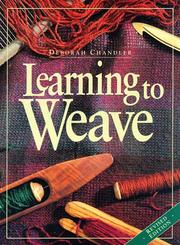
The single most recommended floor-loom beginner book in the weaving community — walks you through every step of warping and weaving a four-shaft loom with exceptional clarity.
Structure & Pattern: Reading and Writing Drafts
IntermediateRead, interpret, and modify weaving drafts; understand the major weave structures (plain weave, twill, satin, overshot) and how threading choices create pattern.
▸ Study plan for this stage
Pace: 6–8 weeks, ~20–25 pages/day, with 2–3 days per week dedicated to draft analysis and hands-on weaving practice
- Draft notation systems: how to read and interpret threading, treadling, and tie-up diagrams in Davison and Dixon's formats
- Plain weave as the foundational structure and how variations create pattern through thread color, yarn weight, and threading sequences
- Twill structures: diagonal line formation through offset threading and treadling, and how twill angle and direction affect pattern
- Satin weaves: long floats and their role in creating sheen and pattern, plus the relationship between thread count and float length
- Overshot as a supplementary weft technique: how pattern wefts float over a plain weave base to create bold geometric designs
- Threading choices as the primary design tool: how the order and color of threads in the heddles determines the final pattern
- Scaling and adapting published drafts: modifying repeat units, thread counts, and color sequences for your loom and yarn
- The relationship between draft, loom setup, and finished cloth: how threading, treadling, and tie-up work together to produce pattern
- What are the three main components of a weaving draft, and what does each one control in the finished cloth?
- How does plain weave create pattern, and what are three ways to vary a plain weave draft without changing the basic structure?
- Explain the difference between a twill and a satin weave in terms of float length and visual appearance.
- What makes overshot distinct from other weave structures, and how does the supplementary weft create pattern?
- Given a published draft from Davison or Dixon, how would you adapt it for a loom with a different number of shafts or a different yarn weight?
- Why is threading order critical to pattern formation, and how do color and yarn weight interact with threading choices?
- Transcribe 5–10 drafts from Davison's pattern book into your own notation system; identify the threading, treadling, and tie-up for each
- Create a color mock-up or thread a small sample of a plain weave draft from Davison, then modify the threading sequence and weave a second sample to observe how pattern changes
- Select one twill draft from Dixon's directory; draw it out by hand at full scale, then thread and weave it on your loom, noting how the diagonal lines form
- Analyze a satin weave draft from either book: measure float lengths, predict how light will reflect, and weave a small sample to compare prediction with reality
- Thread and weave an overshot sample using a published draft; experiment with different supplementary weft colors to see how pattern intensity changes
- Adapt a published draft for your specific loom: modify thread count, change the number of repeats, or substitute yarn colors, then weave the modified version and document the results
Next up: Mastery of reading and modifying existing drafts prepares you to design original patterns from scratch by understanding how threading, treadling, and tie-up decisions translate into cloth structure and visual pattern.
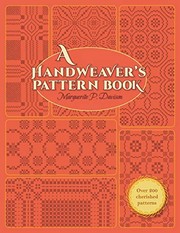
A canonical reference of hundreds of four-shaft drafts — now that you can read a draft, this becomes an indispensable pattern library and teaches you to see structure in cloth.
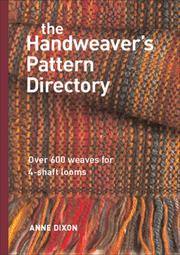
A modern, visually rich companion to Davison that explains the logic behind each structure, helping you move from copying drafts to understanding why they work.
Finishing & Design: Completing Your Handwoven Pieces
IntermediateProperly finish woven cloth (wet finishing, hemming, fringe, fulling), troubleshoot common problems, and begin making intentional design decisions about color, texture, and sett.
▸ Study plan for this stage
Pace: 4–5 weeks, ~20–25 pages/day with frequent pauses for color/fiber exploration
- Color theory fundamentals (hue, value, saturation, contrast) and how they apply to fiber selection
- Fiber properties (luster, weight, texture, dye affinity) and their visual and tactile impact on finished cloth
- Color relationships in weaving (complementary, analogous, triadic schemes) and their emotional effects
- How fiber content and finishing techniques interact to reveal or enhance color and texture
- Sett selection based on fiber type and desired final appearance
- Wet finishing methods and their effects on color saturation and fiber behavior
- Design decision-making: translating color and fiber theory into intentional woven pieces
- How do hue, value, and saturation work together to create visual hierarchy in a woven design?
- What are the key properties of different fibers (wool, cotton, silk, linen) and how do they affect how color appears in finished cloth?
- How do complementary, analogous, and triadic color schemes create different moods in woven textiles?
- What is the relationship between sett, fiber type, and the final appearance of color and texture in cloth?
- How do wet finishing techniques (fulling, blocking, washing) change the appearance of color and the hand of the fabric?
- How would you make an intentional design decision about color and fiber for a specific weaving project, and what factors would you consider?
- Create a fiber swatch collection organized by fiber type, noting luster, weight, and texture; observe how the same color appears different across fibers
- Weave three small samples using the same yarn but different setts; wet finish each and compare how sett affects color saturation and texture
- Design a color palette using a specific color scheme (complementary, analogous, or triadic); source fibers in those colors and weave a small sample
- Conduct a wet finishing experiment: weave identical samples and finish them using different methods (gentle wash, fulling, blocking); document changes in color and hand
- Plan a full woven project by first selecting a color story and fiber palette from *Color and Fiber*, then determining appropriate sett and finishing method
- Photograph your finished samples in different lighting conditions and reflect on how light affects perceived color—connect observations back to Lambert's color theory
Next up: This stage grounds you in the theory and practice of color and fiber selection, equipping you to make intentional design choices that will carry into more advanced topics like complex pattern structures, advanced finishing techniques, and designing multi-project collections with cohesive visual narratives.
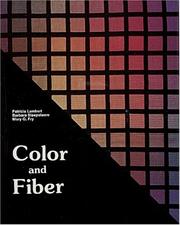
Introduces color theory as it specifically applies to woven textiles, giving you the design vocabulary to make intentional choices and elevate your weaving beyond technical exercises.
Discussion
Keep reading
Paths that share books, cover the same subject, or open a related topic.