Best Books on the Path to Becoming a Veterinarian (in Order)
This curriculum is designed for an expert-level learner who already has strong scientific foundations and wants a focused, high-yield path toward veterinary medicine — covering pre-vet biological sciences, clinical animal medicine, and the strategic preparation needed to excel in vet school. Each stage builds directly on the last: rigorous science first, then applied animal physiology and pathology, then the clinical and professional landscape of the veterinary world.
Pre-Vet Science Mastery
ExpertSolidify the advanced biological and physiological science that underpins all of veterinary medicine, with a comparative lens across species.
▸ Study plan for this stage
Pace: 8–10 weeks, ~40–50 pages/day with 2–3 review days per week. Dukes' Physiology is dense and technical (~1200 pages); allocate extra time for system-by-system deep dives and cross-species comparisons.
- Comparative physiology across domestic species (mammals, birds, reptiles) and how anatomical differences drive functional variation
- Cellular and molecular mechanisms of homeostasis and how they scale across organ systems
- Cardiovascular physiology: species-specific adaptations in heart structure, blood flow patterns, and pressure regulation
- Respiratory physiology: comparative lung anatomy and gas exchange efficiency across species with different metabolic demands
- Gastrointestinal physiology: species-specific digestion strategies (ruminant vs. monogastric vs. avian) and nutrient absorption
- Renal and fluid-electrolyte physiology: osmoregulation and kidney function variation across species and environments
- Endocrine physiology: hormone synthesis, signaling, and species-specific reproductive and metabolic control
- Nervous system physiology: sensory integration, motor control, and behavioral regulation across species
- How do the structural and functional differences in the hearts of dogs, horses, and birds reflect their distinct metabolic demands and evolutionary niches?
- Explain the physiological basis for why ruminants can extract more energy from plant material than monogastric animals, referencing specific GI adaptations.
- What are the key differences in renal function between desert-adapted species (e.g., camels) and aquatic species, and how do these reflect osmoregulatory challenges?
- How do endocrine systems differ between species in regulating reproduction, growth, and stress responses, and what clinical implications does this have?
- Describe the mechanisms of thermoregulation across species with different body sizes and environmental habitats, and how these affect metabolic rate.
- How do respiratory adaptations in birds (unidirectional airflow) compare to mammalian lungs, and what advantages does this confer?
- Create comparative physiology charts for 3–4 major organ systems (cardiovascular, respiratory, GI, renal) across at least 4 species (dog, cat, horse, bird); annotate with functional implications for each adaptation.
- Work through 5–10 case studies where you predict how a physiological principle from Dukes' would manifest differently in two different species (e.g., how blood pressure regulation differs in a giraffe vs. a dog).
- Diagram the complete pathway of a physiological process (e.g., glucose homeostasis, oxygen transport, or acid-base balance) for two contrasting species and explain mechanistic differences.
- Conduct a literature mini-review: select one organ system and find 2–3 peer-reviewed papers comparing that system across species; synthesize findings with Dukes' content.
- Create detailed flashcards or concept maps linking molecular mechanisms (e.g., ion channels, hormone receptors) to whole-organism physiology for at least 3 systems.
- Practice explaining complex physiological concepts (e.g., Starling forces, nephron filtration, cardiac output) to a peer without notes, emphasizing species-specific variations.
Next up: Mastery of comparative physiology across species provides the mechanistic foundation needed to understand how disease disrupts normal function differently in different animals—preparing you for clinical pathology, pharmacology, and species-specific diagnostic reasoning in subsequent stages.

The definitive comparative physiology reference for veterinary students; starting here establishes the multi-species physiological framework everything else builds upon.
Animal Medicine & Clinical Foundations
ExpertDevelop a working clinical understanding of disease, diagnosis, pharmacology, and surgery across companion and large animals.
▸ Study plan for this stage
Pace: 8–10 weeks, ~40–50 pages/day (mix of dense pharmacology reference and procedural handbook)
- Pharmacokinetics and pharmacodynamics: absorption, distribution, metabolism, and elimination of drugs in animals
- Drug classification and mechanisms of action across major therapeutic categories (antimicrobials, analgesics, anesthetics, cardiovascular agents)
- Species-specific drug metabolism and dosing considerations for companion animals (dogs, cats) and large animals (horses, cattle, small ruminants)
- Clinical diagnosis and triage protocols: vital signs, physical examination, and emergency assessment frameworks
- Surgical preparation, asepsis, and intraoperative management principles for common companion and large animal procedures
- Emergency stabilization and fluid therapy: shock recognition, resuscitation protocols, and electrolyte management
- Anesthesia selection and monitoring: pre-operative assessment, induction, maintenance, and recovery in different species
- Common surgical procedures: wound management, fracture repair, soft tissue surgery, and post-operative care
- How do pharmacokinetic differences between dogs, cats, and horses affect drug dosing and frequency, and what are the clinical implications?
- Explain the mechanism of action and clinical applications of three major drug classes (e.g., NSAIDs, beta-blockers, aminoglycosides) and their contraindications
- What are the steps in emergency triage and stabilization of a critically ill or injured animal, and how do you prioritize interventions?
- Describe the pre-operative assessment, anesthetic protocol selection, and post-operative monitoring for a routine surgical case in your target species
- How do you recognize and manage common surgical complications (infection, hemorrhage, dehiscence) and when do you escalate care?
- What is the rationale for fluid therapy type and rate selection in a dehydrated, shocked, or post-operative patient?
- Build a personal drug reference table for 15–20 commonly used medications in your target species, including mechanism, dosing, contraindications, and side effects
- Work through 5–10 case scenarios (provided or self-created) involving emergency presentations; document triage decisions, diagnostics, and treatment plans
- Perform mock physical examinations and vital sign assessments on live animals or models, then correlate findings to potential diagnoses and emergency interventions
- Shadow or review video recordings of 3–5 surgical procedures (routine spay/neuter, fracture repair, soft tissue surgery); annotate each step and identify critical decision points
- Create a surgical preparation checklist and sterile field setup guide for your target procedures; practice aseptic technique with a mentor or in a lab setting
- Develop anesthetic protocols for 5 different patient profiles (young/old, healthy/compromised, different species); justify drug selection and monitoring parameters
Next up: This stage equips you with the pharmacological and procedural toolkit to recognize disease, stabilize patients, and execute basic surgical and medical interventions—preparing you to integrate these skills into comprehensive case management, specialty practice, and advanced diagnostic reasoning in the next stage.

The standard reference for drug mechanisms and therapeutic application in animals; essential before any clinical rotation or case-based learning.
A practical, procedure-oriented companion that translates theoretical knowledge into clinical action, bridging the gap between textbook and clinic.
Species-Specific Clinical Medicine
ExpertGain deep, species-focused clinical knowledge in both small animal and large animal medicine — the two major tracks of veterinary practice.
▸ Study plan for this stage
Pace: 8–10 weeks, ~40–50 pages/day (alternating between small and large animal texts to build comparative clinical reasoning)
- Pathophysiology and clinical presentation of organ system diseases in dogs and cats (cardiovascular, respiratory, gastrointestinal, urinary, endocrine, neurological)
- Diagnostic approach and interpretation of laboratory findings, imaging, and specialized tests in small animals
- Pharmacological management and treatment protocols specific to small animal species and disease conditions
- Large animal (equine, bovine, ovine, caprine) organ system diseases, unique clinical presentations, and species-specific diagnostic challenges
- Herd health, production-limiting diseases, and economic considerations in large animal medicine
- Differential diagnosis frameworks and clinical decision-making under field and clinical conditions
- Acute versus chronic disease management and prognostic assessment across species
- Integration of clinical findings with pathophysiology to formulate evidence-based treatment plans
- How would you differentiate between primary cardiac disease and secondary cardiac involvement in a dog presenting with dyspnea, and what diagnostic tests from Nelson's text would you prioritize?
- What are the key differences in gastrointestinal pathophysiology between small animals and large animals, and how do these differences affect your diagnostic and therapeutic approach?
- Given a case of colic in a horse, how would you use Smith's framework to narrow your differential diagnosis and determine whether medical or surgical intervention is indicated?
- How do you interpret a complete blood count and chemistry panel in a cat with suspected endocrine disease, and what additional diagnostics would you pursue based on Nelson's protocols?
- What are the major production-limiting diseases in cattle discussed in Smith's text, and how would you approach herd-level prevention and treatment?
- How would you manage a case of chronic kidney disease differently in a dog versus a horse, considering species-specific physiology and pharmacokinetics?
- Work through 5–10 case studies from Nelson's text (small animal): for each, document the signalment, history, clinical signs, diagnostic plan, differential diagnoses, and treatment rationale before reading the provided answer
- Create species-specific organ system summaries (one per system: cardiovascular, respiratory, GI, urinary, endocrine, neurological) comparing small animal presentations from Nelson with large animal presentations from Smith
- Practice writing diagnostic protocols: select 3 common presentations (e.g., lameness in horses, vomiting in dogs, mastitis in cattle) and outline step-by-step diagnostic algorithms using both texts
- Conduct mock clinical consultations: partner with a peer or mentor, present a case from either text, defend your differential diagnosis list and diagnostic plan, and justify treatment choices
- Create a pharmacology reference table for 10–15 commonly used drugs in small and large animal medicine, including indications, dosing, contraindications, and monitoring parameters from both texts
- Analyze 3–5 laboratory result sets (blood work, urinalysis, imaging reports) from small animal cases and large animal cases; practice interpreting findings and connecting them to clinical disease
Next up: Mastery of species-specific clinical medicine equips you to synthesize emergency and critical care protocols, surgical decision-making, and advanced diagnostic imaging interpretation—skills essential for the next stage of specialized clinical practice.
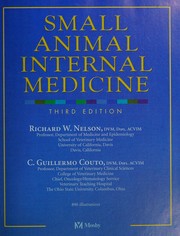
The leading small animal internal medicine reference used in vet schools worldwide; reading it now applies all prior pharmacology and pathology to real canine and feline cases.
The counterpart to Nelson for equine, bovine, and other large animal species, ensuring the learner has broad clinical coverage across practice types.
Vet-School Strategy & Professional Preparation
IntermediateUnderstand the veterinary profession's landscape, navigate vet school successfully, and develop the career vision and communication skills that distinguish great veterinarians.
▸ Study plan for this stage
Pace: 4–5 weeks, ~40–50 pages/day (with reflection breaks)
- The breadth of veterinary medicine: clinical practice, research, public health, and regulatory roles across species and specialties
- Vet school admissions landscape: prerequisites, competitive metrics, and how to position yourself as a strong candidate
- Navigating vet school curriculum: balancing foundational sciences, clinical rotations, and specialization pathways
- Professional communication and client interaction: how veterinarians build trust and manage complex medical conversations
- Career trajectory planning: identifying your niche (small animal, large animal, exotic, laboratory, public health) and long-term goals
- Ethical decision-making in veterinary practice: balancing animal welfare, client needs, and professional responsibility
- Building a professional network and mentorship relationships within the veterinary community
- What are the major career pathways within veterinary medicine, and how do they differ in scope, training, and daily responsibilities?
- What does vet school admissions committees look for beyond GPA and test scores, and how can you strengthen your candidacy?
- How does the veterinary curriculum prepare students for clinical practice, and what are the key transition points from classroom to clinic?
- What communication strategies do successful veterinarians use to explain diagnoses, treatment options, and difficult decisions to clients?
- How do you identify your veterinary niche early, and what steps can you take during vet school to develop expertise in your chosen area?
- What ethical frameworks guide veterinary decision-making when animal welfare, client finances, and professional standards conflict?
- Create a detailed career map: identify 3–4 veterinary specialties that interest you, research their day-to-day work, and outline the training pathway for each
- Conduct informational interviews with 2–3 veterinarians in different practice settings (small animal clinic, large animal, research, public health) and document their career journey and advice
- Draft a personal statement or professional narrative (500–750 words) articulating your motivation for veterinary medicine and your unique perspective on the profession
- Role-play difficult client conversations: practice explaining a complex diagnosis, discussing treatment costs, or delivering bad news with a study partner or mentor
- Analyze 3–5 case studies from the book and identify the ethical dimensions; write brief reflections on how you would approach each situation
- Build a vet school preparation timeline: map out prerequisites, shadowing hours, volunteer/work experience, and application deadlines for your target schools
Next up: This stage equips you with a clear understanding of the veterinary profession's scope, the realistic pathway to vet school, and the professional competencies you'll need—preparing you to dive into specialized clinical knowledge and hands-on diagnostic and treatment skills in the next stage.
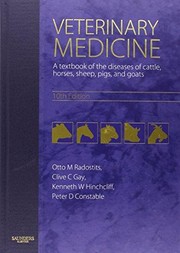
Used as a capstone clinical reference in vet schools globally; working through it at this stage integrates everything learned and simulates the breadth expected of a graduating veterinarian.
Discussion
Keep reading
Paths that share books, cover the same subject, or open a related topic.