The Bible as literature: an ordered reading list for beginners
This curriculum treats the Bible as a work of world literature — attending to narrative craft, poetic form, genre, and style rather than theology alone. It begins by building a literary vocabulary and choosing the right translation, then moves through close reading of key biblical texts, and finally reaches advanced literary and critical scholarship that illuminates the Bible's lasting influence on Western literature and culture.
Foundations: How to Read the Bible as Literature
BeginnerUnderstand what it means to read the Bible literarily, choose the best translation for literary reading, and gain a map of the Bible's major genres and structures.
▸ Study plan for this stage
Pace: 8-10 weeks, ~40-50 pages/day (approximately 2-3 weeks per book with time for reflection and exercises)
- Literary reading vs. devotional or theological reading: recognizing the Bible as a work of human artistry and literary craft, not just doctrine
- Translation choices matter: understanding how different translations (KJV, ESV, NRSV, The Message, etc.) affect literary experience and which preserve literary features best
- The Bible's major genres: recognizing narrative, poetry, wisdom literature, prophecy, gospel, and epistles as distinct literary forms with different reading strategies
- Narrative structure and characterization: how biblical stories use plot, character development, dialogue, and symbolism like other literature
- The Bible's historical development: understanding how the biblical canon formed over time and how this shapes our reading of individual books
- Intertextuality and literary echoes: recognizing how biblical books reference, allude to, and build upon earlier texts within the Bible
- Literary devices in scripture: identifying metaphor, irony, parallelism, wordplay, and other rhetorical techniques that create meaning
- The Bible as a unified yet diverse collection: balancing awareness of the Bible's overall arc with respect for the distinct voices and purposes of individual books
- What is the difference between reading the Bible as literature versus reading it devotionally or theologically, and why does this distinction matter?
- How do different Bible translations (such as KJV, ESV, NRSV, and The Message) handle literary features differently, and which translation would you choose for literary study and why?
- What are the major genres found in the Bible, and what are the key characteristics and reading strategies for at least four of them?
- How do biblical narratives use literary techniques such as characterization, dialogue, plot structure, and symbolism to create meaning?
- What is the basic timeline of how the biblical canon developed, and how does understanding this history inform your reading of individual biblical books?
- What are examples of intertextual connections or literary echoes within the Bible, and how do these connections enrich the reading experience?
- Read the same passage (e.g., Genesis 1-3 or Psalm 23) in three different translations and write a 1-2 page analysis of how each translation handles literary features like rhythm, imagery, and word choice differently
- Create a visual map or chart of the Bible's major genres and books, noting the approximate time period, literary characteristics, and one key example from each genre
- Select one narrative passage from the Gospels or Old Testament and analyze it using literary techniques: identify the protagonist, conflict, turning points, characterization methods, and dialogue patterns
- Read a short biblical book (such as Ruth, Jonah, or Philemon) and write a literary analysis essay examining its narrative structure, themes, and use of literary devices
- Trace an intertextual connection across the Bible (e.g., how the Psalms echo Genesis creation language, or how the Gospels reference Isaiah prophecies) and write a brief reflection on how this connection deepens meaning
- Conduct a close reading of a poetic passage (Psalm, Song of Songs excerpt, or Proverbs) identifying specific literary devices such as parallelism, metaphor, and imagery, then explain how these devices convey the passage's meaning
Next up: With a solid foundation in how to read the Bible literarily, an understanding of its major genres, and familiarity with its structure and development, you are now prepared to engage deeply with specific biblical books and traditions, applying these literary reading strategies to particular texts and exploring how literary analysis illuminates theological and spiritual meaning.
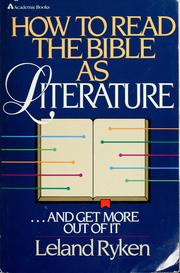
The ideal starting point: Ryken systematically introduces every major biblical genre — narrative, poetry, prophecy, apocalypse — and explains the literary conventions of each. It gives the beginner a complete toolkit before opening the Bible itself.
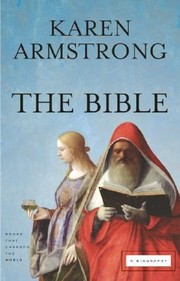
Read second to understand how the Bible was composed, compiled, and transmitted as a text. Armstrong's accessible account grounds the reader historically so they can appreciate the literary choices made by its authors and editors.
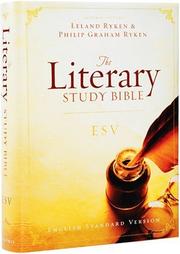
An ESV Bible edition with literary introductions and annotations for every book. Having absorbed Ryken's framework, the reader now uses this as their primary text for all subsequent stages — a literary companion built directly into the Bible.
The Narrative Books: Story, Character, and Plot
BeginnerRead the Bible's greatest narrative sections closely, recognizing techniques like type-scenes, irony, characterization, and gaps — the storytelling craft of Genesis through the Gospels.
▸ Study plan for this stage
Pace: 4–5 weeks, ~25–30 pages/day (approximately 150–180 pages total)
- Type-scenes: recurring narrative patterns (annunciations, betrothal scenes, etc.) that signal meaning through repetition and variation
- Characterization through action and dialogue: how biblical narrators reveal character without explicit commentary
- Narrative gaps and ambiguity: the interpretive space created by what the text does not say, requiring active reader engagement
- Irony (situational, dramatic, and verbal): how biblical narrators use discrepancy between expectation and outcome to deepen meaning
- Plot structure and causation: how biblical narratives build tension, withhold information, and resolve (or refuse to resolve) conflicts
- Point of view and focalization: whose perspective controls the narrative, and how shifts in viewpoint shape interpretation
- The poetics of biblical prose: conciseness, repetition, parallelism, and word choice as carriers of meaning
- What is a type-scene, and how does recognizing one in a biblical narrative change your understanding of character or plot?
- How do biblical narrators reveal character without authorial commentary? Identify three techniques Alter discusses.
- What is a narrative gap, and why does the absence of information matter to interpretation?
- Explain how irony functions in a specific biblical story. What does the irony reveal about the characters or themes?
- How does the narrator's point of view (or shifts in it) shape what we know and believe in a given narrative?
- What stylistic features (repetition, conciseness, word choice) does Alter identify as central to biblical narrative technique?
- Read Genesis 24 (the betrothal of Isaac and Rebekah) and identify it as a type-scene. List the conventional elements Alter describes, then note what variations Alter points out and what those variations suggest about the characters.
- Choose a biblical character (e.g., Jacob, David, or a Gospel figure) and trace their characterization across multiple scenes using only dialogue and action—write a one-page analysis of what we learn without the narrator telling us.
- Select a narrative passage and identify at least two gaps (moments where the text withholds information). Write out what the gap is, what questions it raises, and what interpretations it opens up.
- Find an example of irony in a biblical story (Alter provides many). Describe the irony precisely, explain what creates it, and analyze what it contributes to the narrative's meaning.
- Rewrite a short biblical scene from a different character's point of view (e.g., Potiphar's wife's perspective on Genesis 39, or a disciple's view of a Gospel scene). Reflect on how the shift in focalization changes what we understand.
- Annotate a passage (10–15 verses) for stylistic features: mark repetitions, parallel structures, significant word choices, and conciseness. Write a brief note on how these features create meaning or emphasis.
Next up: This stage equips you with the analytical vocabulary and close-reading skills to recognize biblical narrative as deliberate literary art, preparing you to apply these techniques to longer narrative arcs and more complex texts in subsequent stages of the curriculum.

Alter's landmark work reveals the sophisticated narrative techniques of the Hebrew Bible — repetition, dialogue, type-scenes — using Genesis and Samuel as primary examples. This book permanently changes how you read biblical stories.
The Poetic Books: Verse, Imagery, and Song
IntermediateUnderstand Hebrew poetry's unique structures — parallelism, imagery, lament, and praise — and read Psalms, Job, Proverbs, and Song of Songs as literary masterworks.
▸ Study plan for this stage
Pace: 4–5 weeks, ~25–30 pages/day. Week 1–2: Alter's *Art of Biblical Poetry* (~150 pages); Week 3–4: Coyote's *The Book of Job* (~200+ pages); Week 5: Review and synthesis exercises.
- Parallelism as the foundational device of Hebrew poetry: synonymous, antithetical, and synthetic forms and how they create meaning through repetition and variation
- Imagery and sensory language in biblical verse: how concrete images carry theological and emotional weight across Psalms, Job, Proverbs, and Song of Songs
- The lament tradition: structure, emotional arc, and function in Job and the Psalms as expressions of suffering and protest
- The praise tradition: how hymnic language celebrates, questions, and reinforces faith through poetic form
- Meter, rhythm, and sound in Hebrew poetry: accentual systems and how they differ from English verse conventions
- Job as a dramatic poem: how dialogue, monologue, and the divine speeches function as literary and theological argument
- The role of the speaker's voice: persona, authenticity, and emotional intensity in lyric and dramatic biblical poetry
- What are the three main types of parallelism in Hebrew poetry, and how does each create different effects of meaning?
- How does Robert Alter argue that understanding parallelism changes the way we read biblical poetry compared to English verse traditions?
- What is the structure of a lament psalm, and how does Job's opening dialogue embody or challenge this structure?
- How do the divine speeches at the end of Job function as a literary and theological response to Job's suffering and complaint?
- What role does imagery—particularly of the body, nature, and cosmic forces—play in conveying emotional and spiritual states in Job?
- How does Coyote's translation and interpretation of Job emphasize its status as a dramatic poem rather than a doctrinal text?
- Annotate 5–10 passages from Alter's *Art of Biblical Poetry* identifying the type of parallelism used and explaining how the parallel structure creates or complicates meaning.
- Select three lament passages from Job (e.g., Job 3, 6–7, 29–30) and map their emotional arc, identifying where complaint, questioning, and despair appear structurally.
- Compare Coyote's translation of a Job passage with one other English translation (KJV, NRSV, or NIV); note how word choice and line breaks affect the poem's rhythm and emotional impact.
- Write a short poem (8–12 lines) using synonymous parallelism on a theme of your choice, then revise it using antithetical parallelism; reflect on how the structure changes the meaning.
- Create a visual map of Job's dialogue structure (speakers, turns, topics) across chapters 3–42, noting how the conversation escalates and shifts when the divine speeches begin.
- Identify and collect 10 striking images from Job (e.g., ashes, sackcloth, the whirlwind, Leviathan); write a short analysis of how each image carries emotional or theological significance.
Next up: This stage equips you with the formal and emotional vocabulary to approach the Psalms, Proverbs, and Song of Songs as complex literary works, preparing you to read those books with sensitivity to their distinct genres—hymn, wisdom, and love poetry—while recognizing the shared poetic techniques that unify the biblical canon.
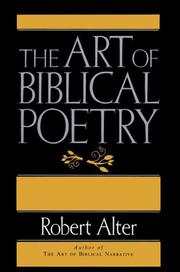
The natural companion to Alter's narrative volume, this book explains Hebrew parallelism, metaphor, and the emotional arc of the Psalms and prophetic poetry. It is the essential guide before reading the poetic books on their own.

Mitchell's celebrated translation renders Job as the literary and philosophical poem it is, stripping away archaic diction. Reading it here — after learning poetic technique — allows the reader to experience Job's dramatic structure and imagery at full power.
Style, Translation, and the King James Legacy
IntermediateAppreciate how translation shapes literary experience, understand the King James Bible as a monument of English prose style, and trace its influence on literature from Milton to Toni Morrison.
▸ Study plan for this stage
Pace: 6–7 weeks, ~25–30 pages/day (approximately 175–210 pages/week across both books)
- Translation as interpretive act: how translators' choices shape meaning, tone, and literary resonance (Norton's framework for understanding KJV decisions)
- The King James Bible as a unified prose monument: its distinctive stylistic features (rhythm, repetition, archaic language, cadence) that distinguish it from other English translations
- The historical context of the 1611 translation: the linguistic landscape of early modern English and the translators' deliberate aesthetic choices
- Linguistic influence and legacy: how KJV vocabulary, syntax, and phrasing became embedded in English literature and speech (Crystal's documentation of specific words and phrases)
- The tension between fidelity and beauty: how the KJV prioritized euphony and memorable language over strict literalism, creating literary power
- Intertextuality and allusion: recognizing KJV echoes in later literature and understanding why writers from Milton to Morrison drew on its language
- The myth of the KJV: distinguishing between what the translation actually says and how it has been remembered and mythologized in English culture
- What were the major translation principles and decisions that shaped the King James Bible, and how did they differ from earlier or later English translations?
- How does the KJV's prose style—its rhythm, repetition, and use of archaic language—create a distinctive literary experience, and why did this style prove so enduring?
- What specific linguistic features (vocabulary, syntax, cadence) make the KJV recognizable, and how do these features reflect the translators' aesthetic priorities?
- How has the King James Bible influenced English vocabulary and idiom? What are concrete examples of KJV phrases that became embedded in everyday English and literature?
- Why has the KJV maintained such cultural authority and literary prestige despite the availability of more literal or modern translations?
- How do later writers (Milton, the Romantics, Morrison, etc.) draw on or respond to the KJV's language, and what does this reveal about its literary power?
- Close-read 3–4 passages from the KJV (e.g., Psalm 23, the Sermon on the Mount, Job's lament) and annotate them for stylistic features: rhythm, repetition, word choice, and cadence. Note what makes them memorable.
- Compare the same passage across three translations (KJV, a modern translation like the NIV or ESV, and an earlier translation like the Geneva Bible if available). Document what is lost and gained in each version, and explain why the KJV version might be more 'literary.'
- Create a glossary of 15–20 KJV words or phrases (e.g., 'begat,' 'thou,' 'lovingkindness,' 'the quick and the dead') and track their usage in the books. Research their etymology and their influence on modern English.
- Read a passage from Milton's *Paradise Lost* or a poem by a Romantic poet, and identify 3–5 KJV allusions or echoes. Explain how the KJV language enriches or complicates the later work's meaning.
- Write a short comparative analysis (500–750 words) on how a single KJV phrase or concept (e.g., 'the valley of the shadow of death,' 'salt of the earth') appears across multiple literary works from different periods. Use examples from the books and your own research.
- Conduct a 'translation experiment': take a well-known KJV passage and rewrite it in contemporary English. Then reflect on what stylistic and emotional qualities are sacrificed in modernization, and why the KJV version endures.
Next up: This stage establishes the KJV as both a historical artifact and a living literary force, preparing you to examine how specific authors and movements have engaged with, resisted, or reimagined biblical language in their own work.
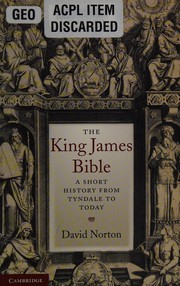
Norton traces the literary and linguistic history of the KJV with scholarly precision. Reading this reveals how translation decisions created the rhythms and cadences that shaped English literature for four centuries.

Crystal's witty, accessible survey shows exactly how KJV phrases saturated everyday English and literature. It bridges the gap between biblical style and its living literary afterlife, making the KJV's achievement concrete and surprising.
Advanced Literary Criticism: The Bible and Western Literature
ExpertEngage with the Bible as a foundational text of Western literary culture, understanding how its typology, archetypes, and rhetoric have shaped poets, novelists, and critics from Dante to the present.
▸ Study plan for this stage
Pace: 8–10 weeks, ~40–50 pages/day (with 2–3 days/week for reflection and note-taking)
- Frye's theory of typology: how biblical figures and narratives function as archetypes that recur across Western literature
- The Great Code as a master narrative: how the Bible provides structural and thematic templates for literary meaning-making
- Mythic and literal modes of interpretation: distinguishing between the Bible as historical document and as symbolic/literary text
- Rhetorical strategies in biblical narrative: parallelism, repetition, metaphor, and their influence on literary style
- The Bible as a source of literary conventions: how biblical genres (prophecy, parable, apocalypse) shape Western literary forms
- Intertextuality and allusion: recognizing biblical references and echoes in canonical Western literature
- Frye's critical methodology: applying archetypal and structural criticism to understand literature's relationship to sacred texts
- What does Frye mean by 'typology,' and how does it function as a literary principle across Western texts?
- How does Frye argue the Bible operates as a 'Great Code' that structures meaning in secular literature?
- What is the distinction between mythic and literal modes of reading, and why does Frye consider this crucial for literary analysis?
- Identify three specific biblical archetypes or narrative patterns that Frye traces through Western literature, with examples
- How do biblical rhetorical devices (parallelism, metaphor, repetition) manifest in the literary works Frye discusses?
- What is the relationship between biblical genres (prophecy, parable, apocalypse) and the forms they inspire in later literature?
- Create a typological chart mapping a biblical figure (e.g., Moses, Christ, the Scapegoat) to three literary characters across different periods and genres, noting parallels in their narrative arcs
- Close-read a passage from *The Great Code* and a literary text Frye discusses (e.g., Dante, Milton, Blake), annotating how biblical typology operates in the literary work
- Write a 1,500–2,000 word essay analyzing how a single biblical narrative (e.g., the Fall, the Flood, the Exodus) functions as a structural template in a Western novel or poem not explicitly discussed in Frye
- Conduct an intertextual analysis: select a canonical poem or novel, identify all biblical allusions and references, and explain how they contribute to the work's meaning and structure
- Develop a comparative reading: choose one biblical story and trace how two different authors (from different centuries) use it differently, considering Frye's framework of archetypal variation
- Create an annotated bibliography of secondary criticism on Frye's *Great Code*, summarizing how scholars have extended, challenged, or refined his typological approach to literature
Next up: This stage establishes the Bible as the foundational intertext of Western literature and equips you with Frye's critical vocabulary for recognizing archetypal patterns, preparing you to examine how specific literary movements, authors, or genres have either embraced, subverted, or reimagined biblical typology in subsequent stages.

Frye's masterwork argues that the Bible provides the overarching mythological and typological framework for all of Western literature. It is demanding but transformative — the capstone of any serious literary study of the Bible.
Discussion
Keep reading
Paths that share books, cover the same subject, or open a related topic.