Best Books on Tequila and Mezcal, in Order
This curriculum takes you from curious beginner to well-rounded agave spirits authority across four stages. You'll start with accessible, story-driven introductions to tequila and mezcal culture, then move into production science, agave botany, and regional terroir, before finishing with advanced tasting frameworks, cocktail craft, and producer-level knowledge.
Foundations: Culture, Story & First Sips
BeginnerUnderstand what tequila and mezcal are, where they come from, and why they matter — building the cultural and sensory vocabulary needed for everything that follows.
▸ Study plan for this stage
Pace: 2–3 weeks, ~20–25 pages/day (approximately 150–180 pages total)
- The historical and cultural origins of tequila and mezcal in Mexico, including agave cultivation and pre-Hispanic roots
- The distinction between tequila (regulated, Tequila region) and mezcal (broader category, diverse regions) in terms of geography, production, and legal classification
- The agave plant: varieties (especially blue agave for tequila, wild and cultivated agaves for mezcal), growing conditions, and harvesting methods
- Traditional production methods: roasting, fermentation, and distillation techniques that define mezcal and tequila character
- How to taste and evaluate tequila and mezcal using sensory vocabulary: aroma, flavor notes, mouthfeel, and finish
- The role of tequila and mezcal in cocktail culture: classic drinks, modern applications, and how spirit quality affects the final drink
- What are the key geographic and legal differences between tequila and mezcal, and why does the Tequila appellation matter?
- How do traditional production methods (roasting, fermentation, distillation) influence the flavor profile of tequila and mezcal?
- What are the main agave varieties used in tequila and mezcal production, and how do they affect the final spirit?
- How do you taste and describe tequila and mezcal using sensory vocabulary, and what should you look for in aroma, flavor, and finish?
- What is the cultural significance of mezcal and tequila in Mexican tradition, and how has this shaped their modern identity?
- How do tequila and mezcal function differently in cocktails, and what makes them suitable for classic versus contemporary drinks?
- Conduct a guided tasting of at least three different tequilas and mezcals (blanco/silver, reposado, and one mezcal), taking detailed notes on aroma, taste, and finish using the vocabulary from Simonson's book
- Make two classic cocktails from the book (e.g., Margarita and Paloma) side-by-side using different tequila brands, and compare how spirit quality and style affect the drink
- Research and create a one-page visual map showing the Tequila region and major mezcal-producing regions in Mexico, noting agave varieties and production characteristics
- Prepare a tasting flight of 2–3 mezcals with different agave bases (if available) or production styles, and document how these differences manifest in the glass
- Write a short tasting note (200–300 words) on a single tequila or mezcal, using the sensory framework and terminology from Simonson's introduction and tasting sections
- Recreate one cocktail from the book twice—once with a standard commercial spirit and once with a premium or artisanal option—and journal the differences in balance, complexity, and drinkability
Next up: This stage establishes the cultural foundation, sensory vocabulary, and hands-on tasting skills needed to move into deeper technical study of production methods, regional variations, and advanced cocktail techniques in the next stage.

A welcoming, beautifully illustrated entry point that introduces agave spirits through approachable cocktail recipes, giving beginners immediate hands-on engagement and basic vocabulary before diving into deeper theory.
Tasting & Connoisseurship
IntermediateDevelop a structured tasting vocabulary, learn to evaluate quality, and understand how to distinguish producers, expressions, and styles like an informed enthusiast.
▸ Study plan for this stage
Pace: 4–5 weeks, ~25–30 pages/day, with 2–3 dedicated tasting sessions per week
- Sensory vocabulary for tequila and mezcal: developing precise language for aroma, flavor, mouthfeel, and finish across ageing categories
- Quality indicators and production markers: how distillery practices, agave selection, fermentation, and distillation methods affect the final product
- Ageing classifications and their sensory profiles: understanding blanco, reposado, añejo, and extra añejo expressions and their distinct characteristics
- Producer and expression differentiation: recognizing house styles, brand signatures, and how to identify quality across different price points and regions
- Tasting methodology: systematic approaches to evaluating spirits, including nosing, palate assessment, and comparative analysis
- Mezcal vs. tequila distinctions: understanding regional, regulatory, and stylistic differences and how they manifest in the glass
- Food and spirit pairing principles: matching tequila and mezcal expressions to cuisine and occasions
- Building a personal tasting reference library: documenting impressions and developing a framework for future purchases and recommendations
- What are the key sensory descriptors you would use to distinguish a blanco tequila from an añejo, and what production factors create these differences?
- How would you evaluate whether a tequila represents good quality for its price point, and what specific markers would you assess?
- What are the primary differences between tequila and mezcal in terms of production, regulation, and flavor profile, and how would you identify each in a blind tasting?
- Describe the tasting methodology you would use to systematically evaluate a new expression, from initial nosing through finish assessment.
- How do you recognize a producer's house style, and what role does agave selection, fermentation, and distillation play in creating it?
- What pairing strategies would you use to match specific tequila or mezcal expressions to different foods and occasions?
- Conduct a structured vertical tasting of one producer across three ageing categories (blanco, reposado, añejo); document aromas, flavors, and mouthfeel using the vocabulary from Morales and Hutson
- Perform a blind comparative tasting of 3–4 tequilas at similar price points; practice identifying producer style, ageing level, and quality markers without labels
- Create a personal tasting journal with 10–15 expressions, recording nosing notes, palate impressions, finish characteristics, and overall quality assessment using a consistent framework
- Conduct a side-by-side tequila vs. mezcal tasting (2–3 of each); document the sensory and stylistic differences and identify the regulatory and production factors behind them
- Host a small tasting group; lead others through a systematic tasting of 2–3 expressions, explaining quality indicators, producer signatures, and ageing effects as you go
- Design and execute a food pairing experiment: select 2–3 tequila or mezcal expressions and pair each with 2–3 complementary dishes; document which pairings work best and why
Next up: This stage equips you with the sensory literacy and evaluative framework to move into deeper exploration of regional terroir, production innovation, and the business/cultural dimensions of the tequila and mezcal industries.

Focuses on how to taste, evaluate, and compare tequilas systematically, giving the reader a practical sensory framework that elevates everything learned about production into the glass.
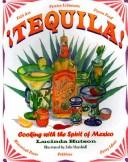
Hutson's richly detailed exploration of tequila culture, producers, and food pairings adds a connoisseur's perspective on selecting and appreciating expressions, rounding out the tasting stage with real-world producer context.
Mastery: Cocktails, Producers & the Agave World
ExpertCommand the full landscape of agave spirits — from landmark cocktail recipes and bar technique to the leading producers, sustainability challenges, and the future of the category.
▸ Study plan for this stage
Pace: 8–10 weeks, ~40–50 pages/day (accounting for technical cocktail recipes, producer profiles, and botanical/ecological content)
- Batch cocktail methodology: scaling, consistency, and flavor development for volume production
- Signature agave spirit cocktails: classic recipes, technique variations, and how spirit terroir influences drink design
- Agave botany and biodiversity: wild vs. cultivated varieties, their flavor profiles, and ecological significance
- Producer landscape: mezcal and tequila houses, their production philosophies, and how to identify quality markers
- Sustainability and conservation: challenges facing agave cultivation, habitat loss, and the role of producers in preservation
- Agave spirit chemistry: fermentation, distillation, and how production methods shape final flavor
- The future of agave spirits: market trends, climate adaptation, and emerging producer regions
- How do you scale a cocktail recipe for batch production while maintaining flavor balance and consistency?
- What are the key differences between mezcal and tequila production, and how do these differences affect their use in cocktails?
- Name at least three landmark agave spirit cocktails and explain how the spirit's terroir influences each drink's character
- What wild agave varieties are used in mezcal production, and why is their conservation important?
- Describe the sustainability challenges facing agave cultivation and identify at least two producer-led solutions
- How do fermentation and distillation techniques differ across major producers, and what flavor outcomes result from each approach?
- What emerging trends or regions are shaping the future of the agave spirits category?
- Scale three cocktail recipes from 'Batch Cocktails' from single-serve to 10-person batches; prepare them and taste for consistency and balance
- Create a tasting matrix comparing three mezcals and three tequilas from different producers; document flavor profiles, production methods, and price points
- Research and profile two landmark agave spirit producers (from those discussed in 'Agave Spirits'); document their production philosophy, agave sources, and sustainability practices
- Design an original batch cocktail using an agave spirit as the base; justify your ingredient choices based on the spirit's terroir and production method
- Conduct a blind tasting of batch cocktails vs. single-serve versions of the same recipe; identify differences in flavor development and oxidation
- Create a visual guide mapping wild agave varieties to their mezcal-producing regions and flavor characteristics
- Interview a local bartender or spirits retailer about how they source agave spirits and what they communicate to customers about producer practices and sustainability
Next up: This stage equips you with the technical expertise, producer knowledge, and sustainability awareness to become an informed advocate and educator—preparing you to teach others, curate collections, or pursue professional roles in the agave spirits industry.

Elevates cocktail craft to a professional level with scalable, technique-forward recipes that prominently feature agave spirits, perfect for applying all prior knowledge in a bar or entertaining context.

The most authoritative and up-to-date book on the entire agave spirits world, covering biodiversity, terroir, sustainability, and the full spectrum of producers — the ideal capstone that synthesizes everything the curriculum has built.
Discussion
Keep reading
Paths that share books, cover the same subject, or open a related topic.


