Tequila and mezcal are the same category from opposite ends. Tequila is a legally defined, region-restricted spirit made from one cultivar of blue agave and increasingly produced at industrial scale; mezcal covers dozens of agave species, many of them wild, roasted in earth pits by producers working in small batches. A plant that takes seven to thirty years to mature sets the economics of both, and most confusion about price, quality, and sustainability comes from not knowing that.
The reading order here is short and runs backwards from the glass. Start with what you can drink this week, then read the reference material, then the botany that explains why a good bottle costs what it does.
Start behind the bar
Mezcal and Tequila Cocktails is the right first book. Robert Simonson is a careful drinks writer, and this is a well-edited collection that respects the spirits rather than burying them — margarita variations done properly, the smoky, bitter, and citrus-forward builds that suit mezcal, and clear guidance on which style of bottle each drink wants. It also does the useful work of explaining blanco, reposado, and añejo in terms of what they do in a drink.
Batch Cocktails is the practical companion. Maggie Hoffman's book is about scaling drinks for a group — dilution, chilling, and which cocktails survive being made in advance — and it is not agave-specific. Read it if you host; skip it if you are drinking alone or building a tasting library.
Get the reference material
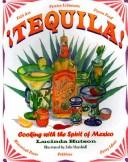
Tequila! is Lucinda Hutson's long-standing guide, and it is a genuine reference: the production process from jima to still, the distillery landscape, brand notes, and a strong section on Mexican food to drink it with. Hutson has been writing about this for decades and the enthusiasm is well-informed rather than promotional. Bottle recommendations in any book of this age will be partly out of date, since brands change ownership and formulas quietly — use it for how to evaluate rather than for a shopping list.
Tequila Aficionado Magazine sits in the path as the periodical voice of the category — brand coverage, producer interviews, and industry news. Treat it as trade press rather than independent criticism, which is a useful thing to have but a poor place to start.
One practical habit worth building at this stage: learn to read the back label. A NOM number identifies the distillery that actually made the spirit, and dozens of brands share a handful of NOMs, so two bottles at very different prices can come off the same still. Look too for whether a tequila states one hundred percent agave — anything that does not is a mixto, cut with up to forty-nine percent other sugars. Neither the cocktail books nor the reference guides make as much of this as they should.
Then read the plant
Finish with Agave Spirits, and this is the book that makes the whole subject cohere. Gary Paul Nabhan is an ethnobotanist, and the book covers agave's biology, the domestication history, the traditional and indigenous uses of the plant long before distillation, and the real sustainability pressures on wild species now that mezcal has an export market. It explains, better than any tasting note, why a wild-harvested tobalá is expensive and why the monoculture of blue agave in Jalisco creates problems that show up in the bottle.
Read in that order and you will move from ordering confidently to understanding what you are ordering. It is a short path — four books plus a periodical — so once you have finished it, tastings and producer visits teach more than another volume would. Follow the full path for the sequence.
Follow the full ordered path here: Tequila and Mezcal: The Best Books to Read First.