Stamp Collecting: The Best Books on Philately
This curriculum takes a complete beginner from the joy of opening their first album all the way to expert-level identification, grading, and valuation of rare stamps. Each stage builds on the last: you first learn the language and habits of philately, then master organization and tools, then develop the critical eye needed to spot and value rare material.
Tools & Organization: Building a Proper Collection
BeginnerLearn to properly mount, store, and catalog stamps; use essential tools (watermark fluid, perforation gauges, UV lamps); and organize a collection using standard catalog systems.
▸ Study plan for this stage
Pace: 4–5 weeks, ~25–30 pages/day, focusing on the Tools & Organization sections (typically chapters 3–6 in Mackay's encyclopedia)
- Proper mounting techniques: hinging vs. hingeless mounts, adhesive selection, and placement to preserve stamp condition
- Storage and preservation: acid-free albums, protective sleeves, environmental controls (humidity, light, temperature), and preventing deterioration
- Essential tools and their use: perforation gauges, watermark detection fluid, UV lamps, magnifying glasses, and tongs for safe handling
- Catalog systems and classification: understanding Scott, Gibbons, and other standard catalogs; using catalog numbers and values to organize collections
- Condition assessment and grading: recognizing mint, used, and damaged stamps; understanding how condition affects value and collectibility
- Organization methods: thematic vs. chronological arrangement, country-based systems, and creating a personal inventory or database
- Safety and ethics: handling stamps without damage, respecting rarity, and avoiding counterfeits and forgeries
- What are the key differences between hinging and hingeless mounts, and when should each be used?
- How do you detect a watermark using watermark fluid, and why is this important for stamp identification and valuation?
- What environmental conditions (temperature, humidity, light) are necessary to preserve stamps long-term, and how do you maintain them?
- How do you use a perforation gauge to measure and identify stamps, and what role does this play in catalog classification?
- What is the difference between Scott and Gibbons catalog systems, and how do you use catalog numbers to organize your collection?
- How do you assess stamp condition (mint, used, damaged) and why does condition significantly affect a stamp's value?
- Mount 10–15 stamps using both hinging and hingeless mount techniques on practice pages; compare preservation outcomes after 2 weeks
- Create a watermark detection setup using watermark fluid and a few stamps; document findings and practice identifying watermarks on 5 different stamps
- Organize a small collection (20–30 stamps) using a chosen catalog system (Scott or Gibbons); assign catalog numbers and create a written inventory
- Set up a proper storage environment: arrange stamps in acid-free albums, protective sleeves, and a controlled storage box; measure and log humidity/temperature weekly
- Use a perforation gauge on 10 stamps; record perforation measurements and cross-reference with catalog entries to verify identifications
- Grade 15 stamps by condition (mint, lightly used, heavily used, damaged); research their catalog values and note how condition affects pricing
Next up: Mastering these foundational tools and organizational systems prepares you to build a specialized, well-documented collection and move into deeper study of stamp varieties, rarity factors, and advanced collecting strategies.

Mackay's authoritative guide covers albums, mounts, stock books, and the full toolkit a collector needs — the ideal next step once you know what stamps are and want to house them properly.
Identification: Reading Stamps Like an Expert
IntermediateIdentify stamps by country, era, printing method, and variety; distinguish genuine stamps from forgeries and reprints; and understand what makes a stamp philatelically significant.
▸ Study plan for this stage
Pace: 4–5 weeks, ~25–30 pages/day, with 2–3 days per week dedicated to hands-on stamp examination
- Identification methods: country of origin, denomination, and era dating through postal markings, inscriptions, and design elements
- Printing techniques (letterpress, photogravure, lithography, intaglio) and how to recognize them visually and tactilely
- Watermarks, perforations, and gum conditions as diagnostic tools for authentication and variety classification
- Distinguishing genuine stamps from forgeries, reprints, and reissues using comparative analysis and historical records
- Catalog numbers and philatelic nomenclature (Scott, Gibbons, Yvert) for precise stamp identification
- Rarity factors: printing errors, plate varieties, color variations, and their impact on philatelic significance
- Condition grading and its relationship to value and authenticity assessment
- How do you identify a stamp's country of origin and approximate era using only the design, inscriptions, and postal markings?
- What are the main printing methods used in philately, and how can you distinguish between them by examining a stamp?
- What role do watermarks and perforations play in identifying genuine stamps versus forgeries or reprints?
- How do you use a catalog (Scott, Gibbons, or Yvert) to assign a catalog number to an unidentified stamp?
- What constitutes a philatelically significant variety, and how do printing errors or plate variations affect a stamp's value?
- What are the key differences between a reprint, a reissue, and a forgery, and how would you authenticate a questionable stamp?
- Build a reference collection of 10–15 stamps from different countries and eras; practice identifying each by country, year, and printing method without consulting catalogs first, then verify your answers
- Obtain a magnifying glass and watermark detector; examine 5–10 stamps to identify watermarks, perforation patterns, and printing technique signatures; document your findings in a notebook
- Select 3 stamps and research their catalog entries (Scott, Gibbons, or Yvert); practice assigning catalog numbers and understanding how varieties are coded and priced
- Create a comparison chart of 2–3 known forgeries (or high-quality reproductions) against genuine stamps; analyze the differences in printing quality, color, perforation, and gum to develop a critical eye
- Practice color identification: collect stamps of the same design in different color variants; learn to describe colors using philatelic terminology and understand how color shifts indicate different printings or varieties
- Examine 5–10 stamps and grade their condition (mint, used, hinged, etc.); correlate condition with authenticity concerns and understand how condition affects identification and valuation
Next up: This stage equips you with the technical skills and knowledge to confidently identify and authenticate individual stamps, preparing you to move into the next stage where you'll learn to organize, evaluate, and build a thematic or specialized collection with deeper historical and cultural context.
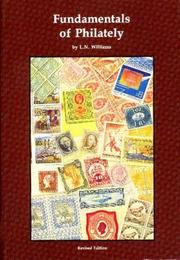
The single most respected technical reference in English-language philately — covers paper, ink, printing processes, perforations, and watermarks in rigorous detail, giving you the analytical framework to identify any stamp.
Grading & Valuation: What Is a Stamp Worth?
IntermediateApply professional grading standards (centering, gum, faults), use major catalogs to value stamps, understand how condition affects price, and make informed buying and selling decisions.
▸ Study plan for this stage
Pace: 4–5 weeks, ~40–50 pages/day. Begin with Scott 2016 catalog sections on grading and valuation (weeks 1–2), then move to Hobson's practical chapters on condition assessment and pricing (weeks 3–4), with a final week for review and comparative catalog study.
- Scott catalog numbering system and how it organizes stamp values by issue, denomination, and condition
- Professional grading standards: centering, perforation quality, gum condition (original gum vs. no gum), and common faults (thins, tears, creases)
- How condition grades (superb, extremely fine, very fine, fine, very good, good) directly correlate to catalog values and price multipliers
- Using Scott 2016 catalog values as a baseline reference point and understanding their limitations in real-world buying/selling
- Hobson's practical approach to evaluating stamps in hand: visual inspection techniques and spotting common defects
- The relationship between rarity, demand, and market price beyond catalog listings
- Making informed acquisition decisions by comparing catalog value, condition assessment, and actual market prices
- What are the five main condition grades used in the Scott catalog, and how do they affect a stamp's market value?
- How do you assess centering, gum condition, and perforation quality when grading a stamp, and what faults reduce value most significantly?
- What is the difference between original gum (OG) and no gum (NG) stamps, and how does this distinction appear in Scott catalog pricing?
- How do you use the Scott 2016 catalog to look up a stamp's issue date, denomination, and baseline value, and what do catalog values represent?
- According to Hobson, what are the most common defects found in used and unused stamps, and how should a collector evaluate them?
- When should you buy a stamp above or below catalog value, and what factors beyond condition justify price variations in the real market?
- Grade 10–15 stamps from your own collection or a dealer's stock using Scott's condition standards; document centering, gum, and faults for each, then compare your grades to dealer or catalog notes
- Look up five stamps in the Scott 2016 catalog by their Scott number; record the catalog value for each condition grade (unused/used, OG/NG) and note how values change
- Examine a stamp under magnification (10x loupe) and identify at least three potential faults (thins, creases, short perfs, oxidation); practice spotting these defects before consulting references
- Create a grading worksheet for 8–10 stamps, assessing centering (% of margin), gum state, and faults; then research actual selling prices (eBay, dealer sites) and compare to Scott values to understand market variance
- Read Hobson's chapters on condition and defects, then apply his visual inspection techniques to grade a mixed lot of 20 stamps; note which grades you find most difficult and why
- Compile a price comparison chart for three different stamps across multiple condition grades using Scott 2016 values; then research the same stamps on the secondary market to identify which condition grades hold value best
Next up: Understanding how to grade stamps accurately and value them using professional standards and catalogs equips you to confidently build a collection with purpose, negotiate fair prices, and recognize investment-quality stamps—preparing you to explore specialized collecting strategies and advanced market analysis in the next stage.

The definitive North American pricing and identification reference — learning to read Scott catalog values, condition notations, and variety listings is the practical backbone of stamp valuation.

Hobson bridges identification and valuation with clear guidance on grading standards and condition, helping the intermediate collector translate catalog values into real-world buying and selling decisions.
Discussion
Keep reading
Paths that share books, cover the same subject, or open a related topic.