Metal Detecting: The Best Books for Treasure Hunting
This curriculum takes a complete beginner from zero knowledge of metal detecting all the way to advanced site research, relic identification, and expert field technique. Each stage builds on the last — starting with gear and mindset, moving into field skills and coin shooting, then advancing into serious relic hunting and historical site research.
Foundations: Gear, Basics & First Finds
BeginnerUnderstand how metal detectors work, choose the right first machine, learn basic field etiquette, and make your first successful finds with confidence.
▸ Study plan for this stage
Pace: 2–3 weeks, ~25–30 pages/day, with 2–3 days between chapters for practice and reflection
- How metal detectors work: electromagnetic principles, frequency, and detection depth
- Choosing the right detector for your needs, budget, and skill level
- Essential gear and accessories: coils, headphones, digging tools, and recovery bags
- Basic field techniques: sweep patterns, ground balancing, and sensitivity adjustment
- Recognizing target signals and distinguishing between trash and valuable finds
- Metal detecting etiquette, permissions, and legal considerations
- Site selection and research strategies for productive hunting locations
- Post-find identification and proper artifact handling and documentation
- What are the main electromagnetic principles that allow metal detectors to find buried objects?
- How do you choose a metal detector based on your experience level, budget, and intended use?
- What are the essential accessories you need before your first metal detecting outing, and what does each do?
- What is ground balancing, and why is it critical for successful detecting in mineralized soil?
- How do you distinguish between false signals, trash targets, and genuine valuable finds?
- What are the key legal and ethical rules for metal detecting, including permission and site respect?
- What research methods help you identify promising locations for metal detecting?
- How do you properly identify, document, and preserve finds after discovery?
- Read and annotate the chapters on detector technology, then explain in your own words how VLF and PI detectors differ
- Visit a local metal detecting retailer or online forum and compare 3–4 beginner-friendly detectors; create a comparison chart with specs, price, and pros/cons
- Assemble a complete beginner's kit (or list one if purchasing isn't feasible) and verify you have all recommended accessories
- Practice ground balancing and sweep techniques in your backyard or a safe test area with buried test targets (coins, nails, etc.)
- Listen to sample audio files of target signals (available in many detector manuals or online) and practice distinguishing trash from good targets
- Research and document 2–3 local metal detecting sites: check permissions, regulations, and historical background using maps and local records
- Conduct a 2–3 hour first outing at a permitted location and document your finds with photos, location notes, and initial identification attempts
- Create a finds journal with entries for each outing, including location, conditions, targets found, and lessons learned
Next up: This stage equips you with the foundational knowledge and hands-on experience to confidently operate a detector and find your first targets, preparing you to advance to intermediate techniques such as specialized search strategies, advanced signal interpretation, and hunting specific target types.

A comprehensive, well-illustrated guide that covers choosing a detector, understanding ground balance, target ID, and recovery techniques. Read second to reinforce and expand on the basics with more technical depth.
Coin Shooting: Technique & Target Identification
BeginnerDevelop systematic search patterns, learn to read detector signals for coins, and begin identifying and dating common finds like U.S. coins and foreign currency.
▸ Study plan for this stage
Pace: 4–5 weeks, ~20–25 pages/day (focusing on coin identification sections and date ranges)
- U.S. coin denominations, mint marks, and their physical characteristics (size, weight, composition, edge features)
- Historical timeline of U.S. coin production and design changes by era (colonial, early republic, modern)
- How to read and interpret coin dates, mint marks, and die varieties to establish age and rarity
- Grading and condition assessment: understanding wear patterns and how they affect coin identification in the field
- Common U.S. coins by type (pennies, nickels, dimes, quarters, half-dollars, dollars) and their distinguishing features
- Composition changes over time (copper, silver, clad, zinc) and how to identify them visually and by weight
- Value indicators and rarity factors that help prioritize which finds are worth further research
- What are the key physical differences between a wheat penny and a Lincoln Memorial penny, and why does this matter for dating finds?
- How do mint marks appear on U.S. coins, where are they typically located, and what do they tell you about a coin's origin?
- What major composition changes occurred in U.S. coins (e.g., silver to clad, copper to zinc), and how can you identify these in the field?
- Given a coin's date range, design, and condition, how would you determine whether it's likely a common or rare find worth further investigation?
- What are the visual wear patterns that indicate a coin's grade, and how does this affect your ability to identify it accurately?
- How did U.S. coin designs change across different historical periods, and what design elements help you narrow down a coin's era?
- Create a reference chart for each major U.S. coin type (penny, nickel, dime, quarter, half-dollar, dollar) listing date ranges, mint marks, composition, and key design features
- Practice identifying mint marks: photograph or sketch examples from the guide for each mint location and coin type, then test yourself weekly
- Collect or photograph 10–15 coins from your own collection or local sources, identify their dates and mint marks using only the guide, then verify your answers
- Create a timeline poster showing major U.S. coin design changes (e.g., wheat to Lincoln Memorial, silver to clad) with images and dates
- Study coin grading: use the guide's condition descriptions to grade 5–10 real coins, comparing your assessments with a grading reference
- Build a 'field identification quick-reference card' with silhouettes, mint mark locations, and key dates for the 5 most common coins you expect to find
Next up: Mastering coin identification and dating from the guide equips you with the foundational knowledge needed to recognize signals on your detector and confidently assess finds in the field, preparing you to develop systematic search patterns and learn detector-specific signal interpretation in the next stage.
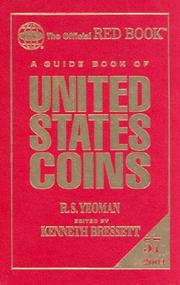
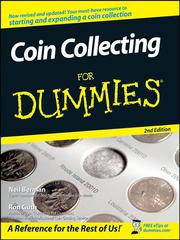
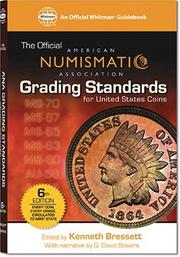
Known as the 'Red Book,' this is the standard reference for identifying, dating, and valuing U.S. coins. Every coin hunter needs this on their shelf to make sense of what they dig up.
Site Research: Finding the Best Places to Dig
IntermediateMaster the art of historical research — using old maps, land records, archives, and aerial photography — to locate productive, permission-granted sites before ever picking up a detector.
▸ Study plan for this stage
Pace: 3–4 weeks, ~25–30 pages/day, with 2–3 days per week dedicated to research practice and site mapping exercises
- Using historical maps (USGS topographic, county, and period-specific maps) to identify promising search areas and understand landscape changes over time
- Accessing and interpreting land records, deed histories, and public archives to establish permission and uncover site histories
- Analyzing aerial photography and satellite imagery to spot ground anomalies, old structures, and terrain features that indicate past activity
- Evaluating site productivity factors: proximity to old settlements, transportation routes, military sites, and areas of historical significance
- Establishing legal permission protocols and understanding property rights before conducting any fieldwork
- Creating detailed site research files with maps, historical documentation, and preliminary assessments to guide detector work
- How do you use USGS topographic maps and historical county maps to identify potential metal detecting sites, and what landscape features should you look for?
- What steps must you take to obtain proper permission and verify property ownership before beginning fieldwork at a site?
- How can aerial photography and satellite imagery reveal ground anomalies and old structures that indicate past human activity?
- What types of historical records (deeds, archives, local histories) are most useful for confirming a site's potential, and where do you access them?
- How do you evaluate whether a site is worth the time and effort to detect, based on historical research findings?
- What information should be included in a comprehensive site research file before you arrive with your metal detector?
- Create a site research file for one local historical location: gather USGS maps, county records, and any available aerial photography; document findings in a binder or digital folder
- Visit your county courthouse or online records office and locate deed histories for 2–3 properties of historical interest; trace ownership back at least 50 years and note any clues about past use
- Obtain and annotate a USGS topographic map of your target area, marking old roads, water sources, structures, and terrain features that suggest historical settlement patterns
- Compare historical maps (if available from your library or archives) with modern satellite imagery of the same area to identify landscape changes and disappeared structures
- Contact your local historical society or library and request period-specific maps, old newspapers, or historical accounts of your target area; compile findings into a research summary
- Conduct a permission-acquisition exercise: identify a property of interest, research its current owner, and draft a professional request letter explaining your metal detecting interest and safety practices
Next up: This stage equips you with the research skills and vetted site locations necessary to move into the next phase—field preparation and detector selection—where you'll match the right equipment to your researched sites and learn the technical skills to maximize your finds.

Garrett's guide to the full treasure-hunting process — from researching historical records and obtaining permissions to executing a productive hunt. Ties together research skills with field execution at an intermediate level.
Advanced Mastery: Expert Technique & Deep Research
ExpertOperate at an expert level — fine-tuning detector settings for difficult ground, hunting deep targets, interpreting complex historical documents, and approaching the hobby with a professional, preservation-minded ethic.
▸ Study plan for this stage
Pace: 8–10 weeks, ~40–50 pages/week with intensive field application; allocate 2–3 days/week for reading, 2–3 days/week for hands-on detector work and ground testing
- Advanced ground balancing and mineralization compensation techniques for challenging soil conditions (saltwater, highly mineralized, clay-heavy)
- Frequency selection and coil optimization for depth penetration and target discrimination in complex electromagnetic environments
- Threshold tuning, sensitivity adjustment, and noise rejection strategies to maximize signal clarity in difficult ground
- Target identification and interpretation of complex audio and visual signals to distinguish deep targets from false positives and ground noise
- Detector circuitry fundamentals and how internal components (oscillators, filters, amplifiers) affect performance in real-world conditions
- Professional hunting methodology: systematic search patterns, site assessment, and documentation practices for serious research and preservation
- Legal, ethical, and archaeological considerations for responsible metal detecting, including permissions, reporting finds, and site stewardship
- How do you adjust ground balancing and mineralization settings when hunting in highly mineralized or saltwater environments, and what trade-offs occur?
- What is the relationship between detector frequency, coil size, and target depth, and how do you select the optimal combination for your hunting goals?
- How do you interpret complex detector signals (audio tone changes, meter fluctuations, VDI readings) to distinguish genuine deep targets from ground noise and false positives?
- What systematic approach would you use to assess a new hunting site, and how would you document and preserve finds according to professional standards?
- How do detector circuitry components (oscillator, filter, amplifier) influence performance, and what adjustments can you make to optimize them for difficult ground?
- What are your responsibilities as a metal detectorist regarding legal permissions, archaeological ethics, and site stewardship, and how do these shape your hunting practices?
- Conduct a controlled ground mineralization test: hunt the same site with different ground balance settings and frequency selections, documenting depth penetration and false signal rates for each configuration
- Practice threshold tuning in three different ground types (clay, sandy, saltwater if available): establish the optimal threshold for each and explain the adjustments you made and why
- Perform a deep-target discrimination exercise: hunt a site with known buried targets at varying depths and practice interpreting audio tones and meter responses to predict target type and depth before digging
- Complete a systematic site survey: select a new hunting location, perform a detailed assessment (soil type, historical context, access permissions), create a search grid, and document all finds with GPS coordinates and photographs
- Conduct a coil and frequency comparison study: test two different coil sizes and/or frequencies on the same ground and targets, recording depth performance, signal clarity, and false-positive rates
- Research and write a brief site report: investigate the historical background of a hunting location, identify what types of targets are likely, and develop a professional hunting plan with ethical and legal considerations
Next up: This stage equips you with the technical mastery and professional mindset to operate as an expert metal detectorist, positioning you to either specialize in advanced niche applications (underwater detecting, archaeological partnerships, competition hunting) or transition to mentoring others and contributing to the broader metal-detecting community.

Garrett's most technically detailed book, covering advanced detector circuitry, ground mineralization, discrimination settings, and search coil selection. Read last, once you have real field experience to contextualize the technical depth.
Discussion
Keep reading
Paths that share books, cover the same subject, or open a related topic.