South African Cooking: The Best Books to Read, in Order
South African food is several cuisines that have been arguing in one kitchen for three hundred years: Cape Malay spicing brought by enslaved and exiled people from the Indonesian archipelago, Afrikaner farm cooking, Xhosa and Zulu home food, Indian Durban curry, and the braai that everyone claims. This path takes them in that order — the everyday household repertoire first, then the Cape Malay tradition that supplies most of what makes the food distinctive, then fire cooking, then the historical and African-language sources, and finally the continent the country sits in.
The everyday repertoire
BeginnerCook the dishes a South African household actually eats in a week — bobotie, a bredie, pap and chakalaka, boerewors, melktert — and get the standard techniques for each right before specialising
▸ Study plan for this stage
Pace: Six to eight weeks, measured in dishes rather than pages — cook two a week and the stage takes care of itself. Magdaleen van Wyk's The Complete South African Cookbook (280 pages) is a bench reference you will look things up in for years, not a book you read: use its index. S.J.A. De Villiers's Cook
- Bredie as a method — long-cooked mutton with one dominant vegetable — rather than a single recipe
- The custard-topped mince construction of bobotie, and what the dried fruit and the turmeric are each doing
- Pap consistency by intention: stywepap, krummelpap and slap pap from the same meal and water
- Boerewors as a specification — coarse grind, fat ratio, coriander — not a brand
- What Mqwebu is arguing about indigenous ingredients being treated as folklore rather than as cuisine
- How to read a Van Wyk or De Villiers recipe that assumes knowledge it never states
- What makes a bredie a bredie rather than a stew, and which vegetable versions are genuinely different dishes?
- Which components of bobotie are structural and which are variable between households?
- What does Mqwebu include that neither of the two older books does, and what does she say is the reason?
- How do you get three different textures of pap without changing ingredients?
- Which of these three books would you hand to someone who had never cooked, and why?
- Cook a bobotie from Van Wyk and a bobotie from De Villiers in the same week and write down the three differences that mattered on the plate.
- Make one bredie with tomato and one with waterblommetjie or cabbage, and record how the cooking time and the seasoning had to change.
- Cook one dish from Mqwebu using an indigenous ingredient you have not used before, then find where the older books either omit it or treat it as a curiosity.
- Make pap three ways in one session and taste them against what each is meant to be eaten with.
Next up: You now cook the country's everyday food; the next stage is where most of what makes it taste specifically South African actually comes from.
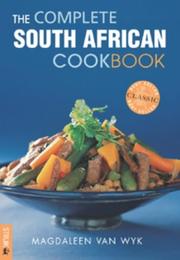
The workhorse reference in a very large number of South African kitchens: hundreds of recipes across every tradition in the country, written plainly and without romance. Start here for coverage — you will not cook it cover to cover, you will look things up in it for years.

The English edition of Kook en Geniet, the Afrikaans household bible first published in 1951 and still in print. Both editions exist as separate records, so buy one; this is the canonical text for Afrikaner farm and church-hall cooking — koeksisters, melktert, bredies, preserves.

The modern corrective to the two books above: Mqwebu writes indigenous South African ingredients and Zulu and Xhosa dishes as a professional cuisine rather than as folklore. Placed third so you meet the standard repertoire and then immediately see what it leaves out.
Cape Malay
BeginnerBuild the Cape Malay spice profile — the sweet-sour balance, the use of dried fruit with meat, the specific masalas — and cook bobotie, denningvleis, sosaties and the koesisters that are not the Afrikaans koeksister
▸ Study plan for this stage
Pace: Five to six weeks. Faldela Williams's The Cape Malay Cookbook is only 96 pages and every one of them is a recipe you will cook — start here and work through a dish a week: bobotie again in its Cape Malay form, then denningvleis, then sosaties, then koesisters, which are not the Afrikaans koeksister
- The sweet-sour balance — sugar or fruit against tamarind or vinegar — as the tradition's signature
- Dried fruit cooked with meat as structure rather than garnish
- The specific masalas and whole-spice mixes, and how they differ from an Indian equivalent
- Denningvleis and the tamarind method that defines it
- Koesister against koeksister: different dough, different syrup, different community, same-sounding name
- How a tradition adapts when the ingredients are three hundred miles from the port, which is Essop's subject
- The Indonesian and Indian Ocean origins of the spicing, and the history of forced migration behind it
- What gives a Cape Malay dish its sour edge, and what changes if you substitute the other souring agent?
- How does Williams's bobotie differ from the version in the previous stage, and which is older?
- What does Isaacs explain about when a dish is cooked that changes how you would serve it?
- What does Essop change to cook this food in the Karoo, and what does she refuse to change?
- Which of these recipes would a cook in Bo-Kaap recognise immediately, and which read as adapted for a general audience?
- Make Williams's koesisters and an Afrikaans koeksister in the same session; write the differences in dough, syrup and texture.
- Cook denningvleis, then cook a plain lamb bredie from stage one, and identify exactly which ingredient does the work.
- Blend one of the masalas from scratch and compare a dish made with it against the same dish made with a bought mix.
- Cook one Essop lamb recipe slowly and one Williams recipe fast, and note what the Karoo adaptation trades away.
Next up: With the pot cooking mastered, the fire is the other half of the country's food — and it is a different discipline, not a variation.

The key regional text, and the book most Cape Town cooks reach for. Williams records the Bo-Kaap community's recipes accurately and without simplification. Note that Open Library also carries her sequel, More Cape Malay Cooking — start with this one.

The same tradition told as a family memoir, with far more on why a dish is cooked when it is — Ramadan, funerals, weddings — and on technique the older book assumes. Read it second, as the context for Williams's recipes.

Essop cooks Cape Malay food inland in the Karoo, where the meat is mutton and the spice trade is a long way away. A useful demonstration that the tradition adapts rather than sitting still, and the best book here on slow lamb cookery.
The braai
BeginnerRun a braai properly — wood rather than gas, coal management, when to cook boerewors versus a whole lamb, potjiekos over the same fire — and understand why the fire is a social institution rather than a cooking method
▸ Study plan for this stage
Pace: Four to six weekends rather than four to six weeks: this stage is scheduled by fires, not pages. Jan Braai's Fireworks (200 pages) is the technical grounding — fire building, wood choice, cuts, timings — and you read the relevant twenty pages the morning of each braai rather than the book in advance
- Wood rather than gas, and what the coal bed has to look like before anything goes on
- Managing heat by coal placement and grid height instead of by a dial
- Boerewors handled as a coil — turning once, never pricking, and the fat consequences of getting it wrong
- Potjiekos as layered, undisturbed, long cooking over dying coals, which is not stewing
- Which cuts reward direct heat and which need the fire to be halfway out
- The braai as a social institution with its own timing, which is why nobody rushes the fire
- How do you know a fire is ready, and what are you actually judging?
- Why does a potjie go on after the meat rather than before, and what happens if you stir it?
- What does Nel cook over fire that Jan Braai does not, and what does the coast change about method?
- Which failures at a braai are heat failures and which are timing failures?
- What is the argument for wood over briquettes, and where does it stop being true?
- Build one fire and cook wors, chops and a vegetable off it in sequence, writing down the coal state each went on at.
- Run a potjie and a grill off a single fire in one afternoon, which is the practical test of coal management.
- Cook the same cut twice a fortnight apart, once too hot and once correctly, and taste the difference deliberately.
- Braai a fish or a game cut from Nel and note every adjustment you had to make from the beef-and-wors default.
Next up: Having cooked the food, the next stage asks where it came from and whose labour is missing from the books you have been cooking out of.

Jan Braai is the country's braai evangelist and this is his most complete book: fire building, wood choice, meat cuts, timings, and the sides that go with them. Start the stage here for the technical grounding.

Catalogued as Braai the beloved country. Broader and more regional than Jan Braai — game, seafood on the coast, potjie recipes — and better on braaing things that are not steak and wors.

Bonello cooks outdoors across southern Africa, which puts the braai back in a landscape rather than a suburban garden. The most enjoyable book of the stage and the natural bridge to the historical material that follows.
Where the food came from
IntermediateTrace the cuisine's sources honestly — colonial Cape kitchens, the labour of enslaved cooks, Xhosa and Zulu home food, and hunting and veld ingredients — and read a historical recipe as a document rather than an instruction
▸ Study plan for this stage
Pace: Four weeks, and this is the reading stage — cook only two or three things from it. Hildagonda J. Duckitt's Hilda's "Where is it?" of recipes (265 pages) is the founding Cape cookbook in English and should be read as a colonial-era document rather than followed: the enslaved and servant labour that p
- Reading a historical recipe as a document: what it assumes, who executed it, what it omits
- The Cape colonial kitchen and the enslaved labour that ran it
- Umngqusho, samp and beans, and umleqwa as a home repertoire with its own logic, not as an appendix
- Veld ingredients and hunting as a food source, and the reliability problem in the source that describes them best
- Why the dishes in stages one and two are already recorded here, and what has changed since
- How a national cuisine's written record can systematically exclude most of the people who cooked it
- What does Duckitt's book take for granted about who is in the kitchen, and how does that show up in the instructions?
- Which dishes from the earlier stages appear in Duckitt in recognisable form, and which do not appear at all?
- Where should you be careful with Van der Post's account, and which parts of the book are least affected by the problem?
- What does Ndoyiya's book contain that none of the other books in this path do?
- If you had only these three sources, what would you wrongly conclude about who cooks in South Africa?
- Cook umngqusho from Ndoyiya and then look for anything comparable in Duckitt and Van Wyk; write what you find and what you do not.
- Take one Duckitt recipe and rewrite it as a modern method, noting every step she left out because someone else knew it.
- Read Van der Post on one veld ingredient, then check the claim against a second source before you act on it.
- List the dishes you have cooked so far and mark, for each, which community's kitchen it came from and which book recorded it.
Next up: Placed in its own history, the cuisine can finally be set beside the continent it belongs to.
Catalogued as Hilda's "Where is it?" of recipes. Published in 1891, this is the founding Cape cookbook in English and the earliest usable record of the dishes in stages one and two. Read it as a colonial-era document: the labour that produced this food is largely invisible in its pages.
Van der Post's book on southern African food, ingredients and hunting, and by far the most literary thing on this list. His accounts of San and rural life are contested and he is a compromised narrator, but nobody else wrote at length about veld ingredients this way.

Nelson Mandela's personal cook writing Xhosa home food — umngqusho, samp and beans, umleqwa — under its isiXhosa title, meaning food from home. The most direct record here of a Black South African home kitchen, and the answer to what the older cookbooks leave out.
The continent around it
IntermediatePlace South African cooking inside African food more broadly, and see which of its techniques are shared across the continent and which are genuinely local
▸ Study plan for this stage
Pace: Three to four weeks for 679 pages, both of them cook-from books rather than read-through ones. Jessica B. Harris's The Africa cookbook (391 pages) is the standard English-language reference for the continent: read its southern African chapters first against everything you have cooked, then the West
- Shared staples across the continent — maize, groundnut, greens, dried fish — handled by different methods
- The Indian Ocean trade as the explanation for the Cape's spice, rice and dried fruit
- Which South African techniques turn out to be regional and which are genuinely local
- The difference between a survey written by a scholar and a book in which cooks speak for themselves
- West African versus southern African treatment of the same starch
- How a national cuisine looks when you stop treating the country as the unit
- Which South African dish has the closest relative elsewhere on the continent, and how far apart are they really?
- What does Harris's continental frame explain about Cape Malay cooking that the Cape Malay books could not?
- Where does the Indian Ocean connection show up in ingredients rather than in dishes?
- What is gained and lost when grandmothers narrate their own recipes rather than a writer recording them?
- Which technique from the braai stage appears elsewhere in Africa, and in what form?
- Cook one maize dish from Harris's West African chapters and eat it beside pap; write the differences in grind, cooking and accompaniment.
- Pick one In Bibi's Kitchen country and cook a rice dish from it, then cook a Cape Malay rice dish, and identify the shared elements.
- Take a spice mix from stage two and find its nearest analogue in Harris; note what has been added or dropped along the trade route.
- Write a one-page account of South African cooking for someone who has never eaten it, naming which of the traditions in this path each dish belongs to.
Next up: The path ends here: from this point the deepening comes from cooking one of these traditions repeatedly rather than from another survey.
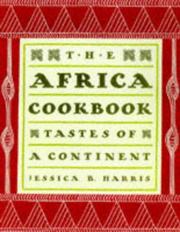
Harris's continent-wide survey, subtitled Tastes of a Continent, and the standard English-language reference. Read the southern African chapters against everything earlier in this path, then read the West African ones to see how differently the same staples are handled.

Grandmothers from eight African countries that touch the Indian Ocean, South Africa among them, cooking their own food in their own words. The right last book: it puts the Cape's Indian Ocean connections — the spice, the rice, the dried fruit — in a frame where they stop looking like an anomaly.
Discussion
Keep reading
Paths that share books, cover the same subject, or open a related topic.