Saltwater and reef aquariums: best books to build a thriving reef tank
This curriculum takes a complete beginner from zero saltwater knowledge to confidently running a thriving reef tank. Each stage builds on the last — starting with the "why" behind marine biology and water chemistry, moving through practical tank setup and livestock selection, and finally reaching the advanced husbandry skills needed to keep demanding corals and a balanced ecosystem long-term.
Foundations: The Marine World & Your First Tank
BeginnerUnderstand how a saltwater ecosystem works, learn essential vocabulary (nitrogen cycle, salinity, alkalinity, live rock), and gain the confidence to plan and set up a first marine tank without making costly beginner mistakes.
▸ Study plan for this stage
Pace: 4–5 weeks, ~25–30 pages/day, with 2–3 days per week dedicated to planning and hands-on prep work
- The nitrogen cycle and how beneficial bacteria establish in a marine tank
- Salinity, specific gravity, and how to measure and maintain proper salt levels
- Alkalinity (KH/dKH) and pH stability in closed marine systems
- Live rock as the biological foundation of a reef tank ecosystem
- Tank sizing, placement, and equipment essentials (filtration, lighting, powerheads)
- The fishless cycling process and why patience prevents fish loss
- Common beginner mistakes and how to avoid them through proper planning
- How marine water chemistry differs fundamentally from freshwater systems
- Explain the nitrogen cycle in a marine aquarium and why it matters for fish health
- What is salinity, how do you measure it, and what is the ideal range for a beginner saltwater tank?
- Why is live rock considered the biological engine of a reef tank, and how does it contribute to water quality?
- What is alkalinity, why does it matter, and how does it relate to pH stability?
- Describe the fishless cycling process and why it is safer than cycling with fish
- What are 3–4 common beginner mistakes in saltwater aquariums, and how can you prevent each one?
- What equipment is essential for a first marine tank, and why is each piece important?
- Create a detailed tank plan (size, location, equipment list, budget) for your first marine aquarium based on Paletta's recommendations
- Calculate and document the salinity and specific gravity for a 20-gallon test batch of saltwater using a hydrometer and refractometer
- Research and compare 3 brands of marine salt mix and live rock suppliers; document pros, cons, and costs
- Set up a fishless nitrogen cycle in a small container (5–10 gallons) using ammonia and test kits to observe bacterial colonization over 4–6 weeks
- Create a weekly water-testing log template (salinity, pH, alkalinity, ammonia, nitrite, nitrate) and practice using test kits on prepared saltwater samples
- Draw a labeled diagram of your planned tank layout showing live rock placement, powerhead flow patterns, and equipment locations
- Write a 1–2 page 'beginner mistakes' reflection identifying 5 common pitfalls and your specific prevention strategy for each
Next up: This foundation in ecosystem chemistry, cycling, and planning prepares you to move into species-specific care—selecting fish and corals that match your tank's capacity and understanding how to introduce them safely into a cycled system.
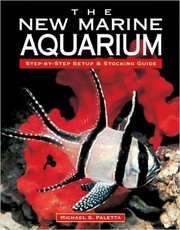
The single best starting point for absolute beginners — it walks through every step of setting up a first saltwater tank in plain language, establishing the core vocabulary and concepts every later book assumes you know.
Water Chemistry & the Living System
BeginnerDevelop a solid, practical understanding of marine water chemistry — the nitrogen cycle, pH, alkalinity, calcium, and magnesium — and learn how filtration and live rock create a stable biological system.
▸ Study plan for this stage
Pace: 4–5 weeks, ~25–30 pages/day. Start with Fenner's foundational chapters (weeks 1–2), then transition to Tullock's technical deep-dive (weeks 2–3), with overlap and review in week 4–5.
- The nitrogen cycle (ammonia → nitrite → nitrate) and its role in biological filtration and tank stability
- pH, alkalinity (KH/dKH), and buffering capacity—why they matter and how to measure and maintain them
- Calcium and magnesium as essential minerals for coral and coralline algae growth, and depletion/supplementation strategies
- Live rock as a biological filter and habitat—colonization, curing, and its role in establishing the living system
- Water testing protocols: which parameters to test, how often, and what results indicate a healthy vs. stressed system
- Filtration methods (mechanical, biological, chemical) and how they interact with the nitrogen cycle
- Salinity, specific gravity, and osmotic balance in marine environments
- Practical tank cycling: timeline, bioload management, and signs of a mature biological system
- Explain the nitrogen cycle in a marine aquarium: what are the three main stages, which bacteria drive each, and why does the cycle take weeks to establish?
- Why is pH stability critical in a marine tank, and what is the relationship between pH, alkalinity, and CO₂ in seawater?
- What are the roles of calcium and magnesium in a reef system, and what happens if these minerals become depleted?
- How does live rock function as a biological filter, and what does 'curing' live rock mean?
- What water parameters should you test weekly in a new tank vs. an established tank, and what do abnormal readings tell you about tank health?
- Describe the difference between mechanical, biological, and chemical filtration, and explain why biological filtration is central to the nitrogen cycle.
- Set up a simple water-testing log: record pH, alkalinity (KH), ammonia, nitrite, and nitrate daily for 2 weeks during tank cycling. Plot the nitrogen cycle progression and identify when each stage peaks.
- Prepare and cure a piece of live rock (if possible) or research a local aquarist's curing process; document the water changes, timeline, and visible changes (algae growth, die-off, stabilization).
- Calculate your tank's bioload: estimate fish biomass and waste production, then determine how much live rock and filtration you need based on Fenner's and Tullock's guidelines.
- Conduct a pH and alkalinity stability test: measure pH at three times of day (morning, midday, evening) for one week; calculate the swing and determine if your buffering capacity is adequate.
- Create a calcium and magnesium supplementation plan: calculate your tank's depletion rate (using Tullock's formulas), choose a supplementation method, and set a dosing schedule.
- Design a water-change schedule: determine frequency and volume based on bioload, nitrate accumulation, and mineral depletion; justify your choices using concepts from both books.
Next up: Mastery of water chemistry and biological stability creates the foundation for the next stage—selecting and caring for specific livestock (fish and corals)—because you'll now understand the water conditions each species requires and how to maintain them.

Fenner's landmark book is the most thorough and trustworthy guide to marine husbandry fundamentals; reading it now cements the chemistry and biology concepts that reef-keeping books will build upon.
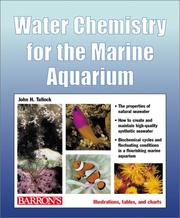
A focused, accessible deep-dive into the specific water parameters that matter in a reef tank, giving the reader the chemical literacy needed before tackling coral care.
Entering the Reef: Corals & Invertebrates
IntermediateLearn the biology, lighting requirements, flow needs, and feeding habits of soft corals, LPS, and SPS corals, and understand how to select and place invertebrates to build a functioning reef community.
▸ Study plan for this stage
Pace: 6–8 weeks, ~40–50 pages/day (alternating between both books; start with foundational chapters in Reef Invertebrates, then move to Puterbaugh for practical application)
- Coral biology and taxonomy: understanding the differences between soft corals, LPS (Large Polyp Stony), and SPS (Small Polyp Stony) corals, including their skeletal structures and symbiotic relationships with zooxanthellae
- Lighting requirements for different coral types: PAR values, color spectra (Kelvin ratings), and how to match light intensity to coral depth preferences and photosynthetic needs
- Water flow and circulation: laminar vs. turbulent flow, how different coral morphologies require different flow patterns, and placement strategies to optimize nutrient delivery and waste removal
- Feeding and nutrition: understanding heterotrophic vs. autotrophic feeding modes, when and how to target-feed corals, and the role of zooplankton and dissolved nutrients in reef nutrition
- Invertebrate selection and compatibility: identifying which invertebrates support reef function (beneficial species) vs. those that pose predation or allelopathic risks, and understanding niche roles in the reef community
- Coral placement and aquascaping: spatial arrangement to minimize allelopathy, optimize light and flow exposure, and create a balanced, self-sustaining reef ecosystem
- Acclimation and health indicators: recognizing signs of stress, proper quarantine and introduction protocols, and maintaining coral coloration and polyp extension as markers of wellness
- What are the key biological differences between soft corals, LPS, and SPS corals, and how do these differences affect their lighting and flow requirements?
- How do you determine the appropriate PAR value and light spectrum for a specific coral species, and what happens if lighting is too intense or insufficient?
- Explain the relationship between water flow patterns and coral morphology: why do some corals thrive in laminar flow while others require turbulent conditions?
- What is the difference between autotrophic and heterotrophic feeding in corals, and which coral types rely more heavily on each mode?
- How do you select invertebrates that will support reef function rather than harm it, and what allelopathic or predatory risks should you be aware of?
- Describe a practical approach to placing corals in an aquarium to minimize chemical warfare (allelopathy) while optimizing light and flow distribution
- Create a species profile sheet for 5–6 corals you plan to keep: document their lighting needs (PAR range), flow preferences, feeding mode, and placement zone in your aquarium
- Map out your aquarium's light and flow distribution using a simple diagram or notes; identify high-flow, medium-flow, and low-flow zones, and high-light, medium-light, and low-light areas, then match coral species to these zones
- Research and list 10–15 reef-safe invertebrates (snails, crustaceans, echinoderms) and 5–10 species to avoid; note their roles (algae control, detritus removal, predation risk) and compatible coral types
- Design a quarantine and acclimation protocol for a new coral or invertebrate: include drip acclimation steps, observation period, and health check criteria before introduction to the main reef
- Observe and document polyp extension, coloration, and behavior in existing corals (or research videos) over a 1–2 week period; correlate observations with lighting, flow, and feeding changes to understand cause-and-effect
- Practice target-feeding a coral species (or plan a feeding schedule): research appropriate food types (frozen copepods, phytoplankton, etc.), feeding frequency, and portion sizes based on Puterbaugh's guidance
Next up: This stage equips you with the foundational knowledge of coral biology, environmental requirements, and community dynamics needed to move into advanced topics such as water chemistry optimization, disease diagnosis and treatment, and breeding or propagation techniques.

Co-authored by one of the hobby's most respected voices, this book is the definitive guide to the invertebrates — from live rock fauna to corals — that form the backbone of any reef tank.
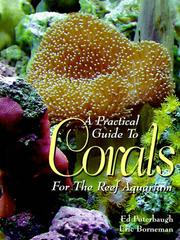
Borneman's coral guide provides species-level detail on care requirements, making it the essential companion once you understand the system and are ready to stock it thoughtfully.
Advanced Reef Keeping & System Mastery
ExpertMaster the advanced techniques used by experienced reef keepers — dosing, refugiums, protein skimming, LED and T5 lighting strategies, and long-term system stability — to maintain a thriving, mature reef.
▸ Study plan for this stage
Pace: 8–10 weeks, ~25–30 pages/day, with 2–3 dedicated lab/hands-on days per week
- Advanced dosing protocols: calcium, alkalinity, and trace element supplementation strategies and monitoring
- Refugium design and function: macroalgae cultivation, nutrient export, and larval rearing applications
- Protein skimming theory and optimization: air intake, bubble size, collection cup management, and troubleshooting
- LED vs. T5 lighting strategies: spectrum, intensity, photoperiod, and PAR distribution for coral growth and coloration
- Water chemistry mastery: testing protocols, parameter targets, and maintaining stability in mature systems
- System maturation and long-term stability: biofilm development, microbial communities, and preventing common failure modes
- Nutrient cycling and export: understanding TNWC (total nutrient water column) and managing algae outbreaks
- Advanced coral husbandry: propagation, feeding, and species-specific requirements for SPS, LPS, and soft corals
- What are the target alkalinity, calcium, and magnesium levels in an established reef, and how do you maintain them without causing precipitation or instability?
- How does a refugium contribute to nutrient export and system stability, and what macroalgae species are most effective for different goals?
- Explain the relationship between protein skimmer air intake, bubble size, and collection cup fullness—how do you optimize each for your specific system?
- What are the key differences between LED and T5 lighting for reef systems, and how do you choose between them based on coral type and tank depth?
- How do you diagnose and resolve common water chemistry problems (pH swings, alkalinity crashes, calcium depletion) in a mature reef?
- What role does biofilm and microbial diversity play in system maturity, and how do you preserve it during maintenance?
- Set up a dosing schedule for your reef: calculate daily calcium and alkalinity consumption, choose a dosing method (two-part, all-in-one, or calcium reactor), and implement it for 4 weeks while logging parameters daily
- Design and build a refugium for your system: select macroalgae species, establish lighting and flow, and measure nutrient export over 6 weeks using before/after water tests
- Optimize your protein skimmer: adjust air intake, experiment with collection cup timing, and document changes in skimmate volume and water clarity over 3 weeks
- Conduct a lighting audit: measure PAR at multiple depths and locations in your tank, compare your current lighting to LED/T5 alternatives, and adjust photoperiod or intensity based on coral response over 8 weeks
- Perform weekly water tests for 8 weeks: alkalinity, calcium, magnesium, phosphate, and nitrate—create a spreadsheet to identify trends and adjust dosing or feeding accordingly
- Document your system's biofilm and microbial activity: observe glass algae growth patterns, note microbial films on rocks, and correlate observations with water clarity and coral health
Next up: This stage equips you with the technical mastery and diagnostic skills to maintain a stable, thriving reef system at an expert level—preparing you to tackle specialized topics like advanced propagation, species-specific husbandry, or system troubleshooting in subsequent stages.
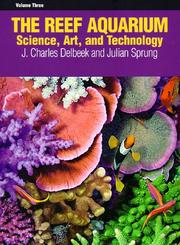
The final volume in Delbeek and Sprung's landmark series covers the most advanced topics — SPS-dominated systems, equipment optimization, and long-term ecosystem management — capping the curriculum at an expert level.
Discussion
Keep reading
Paths that share books, cover the same subject, or open a related topic.