Best Books on Sake, in Reading Order
This curriculum takes a complete beginner from zero sake knowledge to confident connoisseur across three carefully sequenced stages. Each stage builds on the last — first establishing the sensory and cultural vocabulary, then mastering production, grading, and label-reading, and finally diving into the regional landscape and the world's best breweries.
Foundations: Culture, Taste & the Basics
BeginnerUnderstand what sake is, how to taste and enjoy it, how to read a basic label, and why it matters culturally — building the vocabulary needed for everything that follows.
▸ Study plan for this stage
Pace: 4–5 weeks, ~25–30 pages/day. Start with "The Sake Handbook" (weeks 1–2.5), then move to "Sake" by Beau Timken (weeks 2.5–5). Allow 2–3 days between books for review and tasting practice.
- Sake as a fermented beverage: the role of koji mold, yeast, and the parallel fermentation process that distinguishes it from wine and beer
- The sake production hierarchy: rice polishing ratio (seimaibuai), brewing grades (junmai, honjozo, ginjo, daiginjo), and how these affect flavor and quality
- Tasting vocabulary and sensory evaluation: how to identify aromas, flavors, body, acidity, and finish using the framework provided by both texts
- Reading a sake label: decoding SMV (Sake Meter Value), acidity, amino acids, alcohol content, and brewery information to predict taste profile
- Sake's cultural significance in Japan: its role in ritual, hospitality, and everyday life, and how this context shapes appreciation
- Temperature and glassware: how serving conditions dramatically alter perception and enjoyment of sake
- The flavor spectrum: from delicate and floral (ginjo) to rich and complex (junmai), and how to match sakes to personal preference and food
- What is koji mold and why is parallel fermentation unique to sake production compared to wine or beer?
- How do you read a sake label to predict whether a bottle will taste delicate or full-bodied, and what do SMV and acidity numbers tell you?
- Describe the difference between junmai and honjozo sake, and explain how rice polishing ratio (seimaibuai) affects the final product.
- What are the key steps in tasting sake systematically, and what specific aromas and flavors should you be listening for?
- Why does temperature matter when serving sake, and how would you serve a ginjo differently from a junmai?
- What role does sake play in Japanese culture and ritual, and how does understanding this context deepen appreciation?
- Taste three sakes at different grades (e.g., junmai, ginjo, daiginjo) side-by-side and note differences in aroma, flavor, body, and finish using the tasting vocabulary from the books.
- Collect 3–5 sake labels and practice decoding them: identify the SMV, acidity, alcohol content, brewing grade, and brewery. Predict the flavor profile, then taste to verify your predictions.
- Conduct a temperature experiment: serve the same sake at three different temperatures (chilled, room temperature, warm) and document how the aroma and taste change.
- Host a sake pairing dinner: select 2–3 sakes and pair them with dishes, explaining your choices based on flavor profiles and cultural context learned from the texts.
- Keep a tasting journal for at least 5 different sakes, recording the label information, your sensory observations, and personal impressions using the framework from both books.
- Research and write a one-page reflection on sake's role in a specific Japanese ritual or tradition (e.g., wedding ceremonies, New Year celebrations), connecting it to the cultural material in the books.
Next up: This foundation in sake's chemistry, classification system, tasting methodology, and cultural context equips you to explore deeper topics—such as regional brewing traditions, advanced production techniques, and the nuances of specific breweries and sake types—in the next stage.
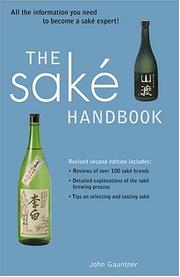
The single best entry point for English-speaking beginners — Gauntner is the foremost Western sake authority and this compact guide covers styles, grades, serving, and basic label-reading in plain language. Read this first to get your bearings.
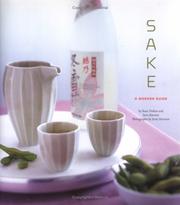
A friendly, visually accessible introduction that focuses on pairing sake with food and navigating a sake menu or shop. Reads naturally after Gauntner's handbook, reinforcing labels and grades while adding practical serving and pairing confidence.
Going Deeper: Brewing, Grades & Label Mastery
IntermediateUnderstand the full brewing process from rice polishing to fermentation, master the official grade and style classifications, and read any sake label with confidence.
▸ Study plan for this stage
Pace: 4–5 weeks, ~40–50 pages/day, with 2–3 days per week dedicated to label analysis and tasting notes
- The rice polishing ratio (seimai buai) and its impact on sake classification and flavor profile
- The complete brewing process: koji cultivation, multiple parallel fermentation (heiko fukuhaishoku), temperature control, and pressing techniques
- Official sake grades (tokutei meisho) and how they relate to production methods rather than quality alone
- How to decode sake labels: reading SMV (Sake Meter Value), acidity, amino acids, and alcohol content to predict taste
- The relationship between brewing ingredients (water, yeast strains, koji types) and final flavor characteristics
- Common sake styles and flavor profiles (fruity, dry, rich, delicate) and their technical origins
- Quality indicators beyond grades: brewery reputation, brewing philosophy, and seasonal variations
- What is the seimai buai and how does it determine whether a sake qualifies as ginjo, daiginjo, or honjozo?
- Explain the concept of heiko fukuhaishoku (multiple parallel fermentation) and why it is essential to sake brewing
- How do you read a sake label to predict whether a bottle will taste dry or sweet, and what numbers/metrics tell you this?
- What are the official tokutei meisho grades, and why is a higher grade not always an indicator of better taste?
- How do differences in koji type, yeast strain, and water composition influence the final flavor of sake?
- What is the relationship between SMV, acidity, and amino acid content, and how do these interact to create different taste experiences?
- Collect 5–8 sake labels (physical or digital) and decode each one: identify the grade, calculate predicted taste profile using SMV and acidity, then taste and compare predictions to reality
- Create a brewing process flowchart from rice selection through pressing, labeling each stage with temperature ranges, timing, and key decisions that affect flavor
- Taste a vertical flight of 3 sakes from the same brewery but different grades (e.g., junmai, ginjo, daiginjo) and document how polishing ratio correlates with aroma, body, and finish
- Write a detailed tasting note for one sake using Gauntner's framework: appearance, aroma, palate, finish, and connect each observation back to a specific brewing decision or ingredient
- Build a personal sake classification matrix: plot 6–10 sakes you've tasted on axes of SMV (dry–sweet) and acidity (low–high), then identify clusters and flavor patterns
- Interview a sake retailer or brewer (in person or via email) about how they select sakes and what label information they prioritize when recommending bottles
Next up: This stage equips you with the technical literacy and label-reading skills to confidently navigate sake selections and understand *why* a bottle tastes the way it does, preparing you to explore regional terroir, advanced brewing innovations, and personal taste preferences in the next stage.

Gauntner's more opinionated, behind-the-scenes follow-up dismantles common myths and explains the nuances of junmai vs. non-junmai, the role of added alcohol, and how marketing shapes perception — essential for moving beyond surface-level label reading.
Discussion
Keep reading
Paths that share books, cover the same subject, or open a related topic.


