Sake is difficult to learn from the bottle alone because the label is doing more work than a wine label and in an unfamiliar script. Grade designations, polishing ratio, whether brewer's alcohol was added, whether it was pasteurised, whether it was diluted — all of that is encoded, and none of it is intuitive until someone explains the brewing process it describes.
The good news is that the English-language literature is small, which makes the reading order simple. The bad news is the same fact: three books is genuinely most of what exists at a useful level, so read them properly rather than skimming for a shopping list.
Start with the reference
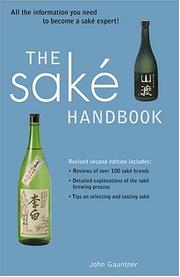
The saké handbook by John Gauntner is the standard first book, and rightly so. It walks through the brewing process — polishing, koji, the yeast starter, pressing, pasteurisation — and then shows exactly how each step maps onto the terms printed on a label. By the end you can look at a bottle and say what it is: a junmai ginjo, milled to a given percentage, unpasteurised or not.
The middle section on how to read labels and the glossary at the back are the parts you will keep returning to. Treat the brewery listings as a snapshot rather than current inventory — availability has shifted a great deal since publication, and the import market changes yearly.
Learn to taste, not just to classify
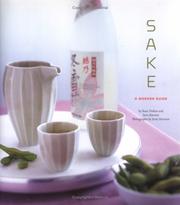
Sake by Beau Timken and Sara Deseran comes at the subject from the other direction: a retailer's palate-first approach, organised around what a bottle tastes like and what to eat with it, with photography and food pairings that make the categories concrete. Where Gauntner explains the system, this book gets you drinking through it deliberately.
Read the two in parallel if you can — a chapter of technical explanation followed by an actual glass of the style it describes is worth far more than either alone. Buy small bottles, taste side by side, and keep notes on aroma and finish rather than trying to memorise grades in the abstract.
Then the opinionated follow-up
Sake confidential is Gauntner's second, looser book, and it is the best of the three once you know the basics. It is a consumer's guide with genuine opinions: which distinctions matter and which are marketing, why the polishing ratio arms race is partly beside the point, when unpasteurised nama is worth the storage hassle, and how to order in a Japanese restaurant without deferring to whatever is most expensive.
Read out of order, this one would just sound contrarian. Read after the handbook, it is the book that turns knowledge into judgment.
What the books cannot do
Sake is perishable in a way most spirits are not. Light, heat and time change it, and a technically excellent bottle stored badly will taste flat. No book substitutes for finding a shop with fast turnover and refrigerated stock, and for tasting regularly enough to build a memory. If you have access to a sake pub or a tasting flight, that is worth more than a fourth book.
For the wider Japanese table around it, browse more paths on regional cooking. Follow the full path to read these three in sequence.
Follow the full ordered path here: Learning Sake from Books: A Short, Sensible Reading Order.