Rare book collecting sits at a strange intersection of romance and rigor. On one side is the pull of the object, the hunt, the history in your hands. On the other is a precise, unforgiving discipline: is this actually a first edition, in the right state, with the correct points? Beginners who lead with passion and skip the forensics overpay for later printings dressed up as treasures.
A good reading order feeds both sides. It starts with the culture and lore that make the hobby addictive, then builds the technical skills of identification, and finally covers care and the wider world of the trade. Each book deepens the last.
Fall in love with the hunt
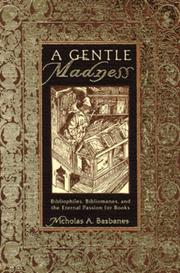
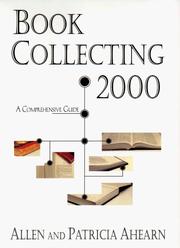
Start with A Gentle Madness by Nicholas A. Basbanes, the classic history of bibliophiles and their obsessions that has recruited a generation of collectors. It gives you the why. Then get practical with Book collecting 2000 by Allen Ahearn, an approachable overview of how the field works and how to begin building a collection with intent.
Learn to identify what you hold
This is where collecting becomes a craft. First editions, a guide to identification by Edward N. Zempel decodes how publishers signal first printings, and Collected books by Allen Ahearn pairs identification with values across authors. Keep Points of Issue by Bill McBride handy as the quick reference to the subtle points that distinguish states and printings, the details that separate a valuable copy from a common one.
Care for books and know the world
Finally, protect and contextualize. Patience and Fortitude and Among the gently mad, both by Basbanes, deepen your sense of the collecting world and its institutions, while The Care and Feeding of Books Old and New by Margot Rosenberg teaches preservation so your acquisitions survive you. For the field's cautionary and insider edges, Forging a Career and The Rare Book World by Tom Congalton round out your education in how the trade actually operates.
Work these in order and passion gains the backbone of expertise. Follow the full path from first infatuation to a collection built on real knowledge.
Follow the full reading path →
Ready to learn something deeply?
Build a reading path — free