Best Books to Become a Nurse Practitioner (in Order)
This curriculum is designed for intermediate learners — likely nursing students or RNs entering or progressing through a graduate NP program — who want a structured, complementary reading path alongside their formal training. The four stages move from mastering advanced practice foundations and clinical reasoning, through hands-on physical assessment and diagnostics, into pharmacology and disease management, and finally into the professional, legal, and role-specific dimensions of NP practice.
Advanced Practice Foundations
IntermediateUnderstand the theoretical, historical, and role-based framework of advanced practice nursing, including scope of practice, NP competencies, and how graduate training translates into clinical authority.
▸ Study plan for this stage
Pace: 4–5 weeks, ~40–50 pages/day (approximately 200–250 pages total for Hamric's core foundational chapters)
- The integrative model of advanced practice nursing and how it unifies diverse NP roles (APRN, CNS, CNM, CRNA) under a common theoretical framework
- Historical evolution of advanced practice nursing from its origins to contemporary scope and regulatory landscape
- Core competencies of advanced practice nurses: clinical, coaching, consultation, collaboration, ethical decision-making, and systems thinking
- Scope of practice definition and how it varies by state, specialty, and regulatory environment
- The relationship between graduate education, clinical authority, and legal/professional accountability
- Conceptual models of advanced practice (Hamric's framework) and how they guide role development and clinical decision-making
- Interprofessional collaboration and the NP's role within healthcare teams and organizational systems
- Transition from novice to expert practitioner and the developmental trajectory in advanced practice
- What are the seven core competencies of advanced practice nursing according to Hamric, and how do they differentiate advanced practice from other nursing roles?
- How has the historical development of advanced practice nursing shaped current regulatory, educational, and scope-of-practice standards?
- What is the integrative model of advanced practice, and how does it apply across different APRN specialties (NP, CNS, CNM, CRNA)?
- How do state regulations, institutional policies, and individual competence collectively define an NP's scope of practice?
- What is the relationship between graduate-level education and clinical authority, and how does this justify autonomous or semi-autonomous NP practice?
- How do advanced practice nurses navigate interprofessional collaboration and systems-level responsibilities while maintaining clinical excellence?
- Create a detailed competency map: For each of Hamric's seven core competencies, write a 1–2 page reflection on how you have observed or experienced that competency in clinical practice or education, with specific examples
- Scope of practice analysis: Research your state's NP regulations and institutional policies; create a one-page document outlining what you can and cannot do independently, and identify gray areas where collaboration is essential
- Historical timeline project: Construct a visual timeline (poster, infographic, or written narrative) tracing the evolution of advanced practice nursing from the 1960s to present, noting key legislative, educational, and professional milestones
- Role differentiation exercise: Compare and contrast the roles of NP, CNS, CNM, and CRNA using Hamric's integrative framework; create a comparison table highlighting unique and shared competencies
- Interprofessional collaboration case study: Select a complex patient case and map out how an NP would collaborate with physicians, social workers, pharmacists, and other team members; identify potential conflict points and resolution strategies
- Graduate education to practice translation: Review your own graduate program's curriculum and identify which courses/content address each of Hamric's core competencies; reflect on gaps and how you will address them
Next up: Mastering these foundational frameworks and competencies equips you to critically examine specific NP specialties, clinical decision-making models, and advanced assessment/diagnostic skills in subsequent stages.
The definitive foundational text for advanced practice nursing — it establishes core competencies, role theory, and the conceptual models that underpin every NP specialty. Reading this first gives you the professional vocabulary and framework for everything that follows.
Clinical Assessment & Diagnostic Reasoning
IntermediateDevelop expert-level history-taking, physical examination skills, and clinical reasoning — the core clinical engine of NP practice.
▸ Study plan for this stage
Pace: 8–10 weeks, ~40–50 pages/day with 2–3 days/week dedicated to hands-on practice
- Comprehensive history-taking framework: chief complaint, HPI, ROS, PMHx, medications, allergies, social/family history, and functional assessment
- Systematic physical examination techniques for all body systems with proper patient positioning, palpation, percussion, and auscultation
- Normal vs. abnormal findings: recognizing expected anatomy and physiology to identify deviations that signal pathology
- Clinical reasoning and differential diagnosis: connecting patient presentation to diagnostic hypotheses through evidence-based assessment
- Documentation and communication: translating clinical findings into organized, legally sound, and clinically useful notes
- Diagnostic accuracy: understanding sensitivity, specificity, and predictive value of clinical maneuvers and tests
- Integration of subjective and objective data: synthesizing history and exam findings to form clinical impressions and plan next steps
- How do you conduct a focused vs. comprehensive history, and when is each approach appropriate in primary care?
- Describe the proper technique for performing a cardiac exam, including inspection, palpation, percussion, and auscultation, and how to interpret normal heart sounds and common murmurs.
- What is the difference between a symptom and a sign, and how do you use both to narrow your differential diagnosis?
- How do you document a physical exam finding in a way that is objective, specific, and clinically actionable?
- Given a patient presentation (e.g., dyspnea, chest pain, abdominal pain), how would you construct a prioritized differential diagnosis and what exam maneuvers would help rule in or rule out each diagnosis?
- What are the key elements of a mental status exam, and how do you assess cognition, mood, and thought process in a primary care setting?
- Practice full-body physical exams on at least 10–15 standardized patients or peers, documenting findings in real time; record yourself and review for technique accuracy
- Perform focused exams on 5–8 patients with specific chief complaints (e.g., chest pain, SOB, abdominal pain) and present your findings in a structured format
- Create a personal 'exam cheat sheet' for each body system with normal findings, common abnormalities, and the clinical significance of each
- Role-play history-taking with peers or instructors using realistic case scenarios; have them critique your questioning technique, empathy, and organization
- Analyze 10–15 real or simulated patient cases: review the history and exam, generate a differential diagnosis, and compare your reasoning to the actual diagnosis
- Practice documenting 5–10 exams using SOAP format; have a preceptor or peer review for completeness, clarity, and clinical relevance
- Study and practice 3–5 advanced exam maneuvers per system (e.g., Romberg test, Weber/Rinne, Murphy's sign) on peers and discuss sensitivity/specificity
Next up: Mastery of history-taking and physical examination establishes the clinical foundation needed to interpret diagnostic tests, formulate evidence-based treatment plans, and manage acute and chronic conditions with confidence in the next stage.

The gold-standard reference for comprehensive physical assessment; its systematic approach and clinical photographs build the examination fluency every NP must have. Start here before moving to NP-specific diagnostic texts.

Translates Bates' examination skills into NP-level differential diagnosis and clinical decision-making, organized by chief complaint — the natural next step for applying assessment skills to real patient presentations.
Pharmacology & Disease Management
IntermediateMaster prescribing principles, pharmacotherapeutics, and evidence-based management of common conditions encountered in NP practice.
▸ Study plan for this stage
Pace: 8–10 weeks, ~40–50 pages/day (alternating between both texts)
- Pharmacokinetics and pharmacodynamics: absorption, distribution, metabolism, and elimination principles that govern drug action and dosing
- Drug interactions, contraindications, and adverse effects: how to identify and manage medication conflicts and patient safety risks
- Evidence-based prescribing: using clinical guidelines, research, and patient factors to select appropriate pharmacotherapy
- Common disease pathophysiology: understanding the underlying mechanisms of conditions like hypertension, diabetes, asthma, and infections to inform treatment selection
- Medication selection and dosing: matching drugs to patient presentations, comorbidities, age, renal/hepatic function, and pregnancy status
- Monitoring and therapeutic outcomes: establishing parameters to assess drug efficacy and adjust therapy based on clinical response
- Patient counseling and adherence: communicating medication use, side effects, and lifestyle modifications to optimize treatment success
- Differential diagnosis and management algorithms: applying systematic approaches to evaluate and treat common primary care conditions
- How do pharmacokinetic principles (absorption, distribution, metabolism, elimination) influence drug selection and dosing in different patient populations?
- What are the major drug interactions and contraindications you must screen for before prescribing, and how do you manage them?
- How do you use evidence-based guidelines to select first-line pharmacotherapy for conditions like hypertension, type 2 diabetes, and community-acquired pneumonia?
- What monitoring parameters and clinical endpoints indicate whether a patient is responding appropriately to pharmacotherapy, and when should therapy be adjusted?
- How do you counsel patients on medication adherence, side effects, and lifestyle modifications to maximize treatment outcomes?
- What is your systematic approach to evaluating a patient with a common presenting complaint (e.g., chest pain, cough, abdominal pain) and determining the appropriate diagnosis and management plan?
- Work through 5–10 case studies from 'Pharmacotherapeutics for Advanced Practice' focusing on drug selection, dosing adjustments, and monitoring for different patient populations (pediatric, elderly, renal impairment, pregnancy)
- Create a personal prescribing reference guide for 15–20 common conditions covered in 'Primary Care,' including first-line agents, dosing, monitoring parameters, and patient counseling points
- Practice drug interaction screening: select 10 complex medication regimens and identify potential interactions, contraindications, and necessary dose adjustments using pharmacology principles
- Develop 3–5 patient education handouts for common medications (e.g., antihypertensives, antibiotics, diabetes agents) that explain mechanism, side effects, adherence tips, and when to contact the provider
- Conduct mock prescribing scenarios: given a patient presentation from 'Primary Care,' justify your choice of first-line therapy using evidence-based guidelines, explain pharmacokinetics/dynamics, and outline monitoring plan
- Compare and contrast pharmacotherapy approaches for a single condition across different patient subgroups (e.g., hypertension management in young adults vs. elderly vs. pregnant patients) using both texts
Next up: This stage equips you with the pharmacological knowledge and prescribing confidence to safely and effectively manage common conditions, preparing you to advance to clinical decision-making in complex or acute care settings where you'll integrate pharmacotherapy with advanced diagnostic reasoning and multisystem management.

The most widely used pharmacology text in NP graduate programs — it integrates pharmacology with clinical decision-making and prescribing rationale, making it the essential bridge between diagnosis and treatment.
A comprehensive disease-management reference organized by body system that pairs naturally with Arcangelo's pharmacology text, showing how pharmacotherapy fits into full patient management plans.
NP Role Mastery, Leadership & Professional Practice
ExpertSynthesize clinical expertise with professional identity, legal/ethical accountability, leadership, and the business and policy dimensions of the NP role.
▸ Study plan for this stage
Pace: 8–10 weeks, ~40–50 pages/day (mix of dense legal/business content and leadership theory)
- Legal scope of practice, licensure requirements, and regulatory compliance for independent NP practice
- Business fundamentals: billing, coding, reimbursement models, and financial management for NP-owned or collaborative practices
- Malpractice liability, risk management, and documentation standards that protect the NP legally
- Ethical decision-making frameworks and professional accountability in clinical and business contexts
- Leadership models and styles (transformational, servant, situational) and their application to NP-led teams and organizations
- Organizational change management, team dynamics, and conflict resolution in healthcare settings
- Policy advocacy and the NP's role in shaping healthcare systems and professional practice standards
- Building and sustaining a professional identity that integrates clinical competence with business acumen and leadership responsibility
- What are the key legal and regulatory requirements for establishing an independent NP practice, and how do these vary by state?
- How do billing, coding, and reimbursement models differ across practice settings, and what financial strategies maximize practice sustainability?
- What documentation and risk management practices protect an NP from malpractice liability and regulatory scrutiny?
- How can an NP apply transformational or servant leadership principles to improve team performance and organizational outcomes?
- What ethical frameworks guide NP decision-making when clinical judgment, business pressures, and patient advocacy conflict?
- How can NPs effectively advocate for policy changes that expand their scope of practice and improve healthcare access?
- Draft a business plan for a hypothetical NP-led primary care clinic, including revenue projections, staffing, and operational costs using Buppert's financial frameworks
- Conduct a state-by-state regulatory audit: compare scope of practice, prescriptive authority, and collaborative practice requirements for your state and two others
- Create a sample patient chart note and billing claim, then review it against Buppert's documentation and coding standards to identify gaps or compliance risks
- Analyze a healthcare policy issue (e.g., NP reimbursement parity, independent practice laws) and develop a 1-page advocacy position paper with evidence-based arguments
- Lead or observe a team meeting and apply Huber's leadership assessment tools to evaluate the leader's style, team dynamics, and areas for improvement
- Design a change management plan for a practice-wide initiative (e.g., EHR implementation, new clinical protocol) using Huber's organizational change models
- Write a reflective case study: describe an ethical dilemma you've encountered or researched, apply Buppert's ethical framework, and justify your decision-making process
Next up: This stage equips you with the legal, financial, and leadership competencies to operate as a fully autonomous, accountable professional; the next stage will likely deepen specialized clinical expertise or explore advanced practice in a specific NP population or setting.
The authoritative guide to NP scope of practice, reimbursement, malpractice, and practice contracts — essential reading for any NP approaching independent or collaborative practice, and best absorbed after clinical skills are established.
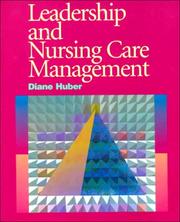
Develops the leadership, systems-thinking, and care-coordination competencies that distinguish expert NPs as clinical leaders, rounding out the curriculum with the organizational and interprofessional dimensions of the role.
Discussion
Keep reading
Paths that share books, cover the same subject, or open a related topic.