Muay Thai for beginners: essential books on the art of eight limbs
This curriculum takes a complete beginner from zero knowledge of Muay Thai all the way through advanced striking technique, clinch mastery, conditioning science, and the deep cultural traditions of Thai boxing. Each stage builds on the last — first establishing the language and mindset of the art, then drilling technique, then refining performance and finally connecting to the living history and philosophy behind the sport.
Technique — Strikes, Defense & the Clinch
BeginnerBuild a solid technical library of punches, kicks, elbows, knees, and clinch work, understanding the mechanics and combinations that define Muay Thai's offensive and defensive systems.
▸ Study plan for this stage
Pace: 4–5 weeks, ~25–30 pages/day, with 2–3 days per week dedicated to physical practice of techniques
- The biomechanics of Muay Thai's eight limbs: proper stance, weight transfer, and hip rotation for punches, kicks, elbows, and knees
- Defensive mechanics including blocking, parrying, checking, and clinch defense to neutralize incoming strikes
- Clinch work fundamentals: grip control, balance disruption, knee strikes, and positional dominance in close range
- Combination principles: how to chain strikes together using momentum, timing, and footwork for flow and power
- The role of the lead leg in both offensive and defensive tactics, including teeps and low-kick defense
- Understanding distance management and range as a strategic element that determines which techniques are viable
- What are the key mechanical differences between a Muay Thai punch and a boxing punch, and why does hip rotation matter?
- How do you execute a proper check against a low kick, and what are the common mistakes beginners make?
- Describe the basic clinch grip and explain how to control your opponent's posture and balance from the clinch
- What is a teep (push kick) and how does it function both offensively and defensively in Muay Thai?
- How do you chain a jab-cross-low kick combination while maintaining balance and proper weight transfer?
- What are the primary defensive options when caught in a clinch, and when would you use each one?
- Shadow box all eight strikes (4 punches, 4 kicks) daily for 10–15 minutes, focusing on proper stance, hip rotation, and power generation from the ground up
- Practice the clinch grip on a heavy bag or with a partner: establish control, practice balance disruption, and execute 5 knees from the clinch without breaking form
- Drill low-kick checks against a partner or heavy bag 20 times per side, emphasizing shin-to-shin contact and proper timing
- Execute 10 complete combinations (jab-cross-low kick, cross-hook-teep, etc.) at 70% intensity, pausing between each to verify mechanics
- Spar or drill with a partner for 3–5 rounds focusing only on one technique per round (e.g., Round 1: teeps only; Round 2: clinch work only)
- Record yourself performing basic strikes and compare to video demonstrations in the book or from reputable Muay Thai instructors to identify mechanical flaws
Next up: This stage equips you with a complete technical foundation in striking and clinch mechanics, preparing you to move into the next stage where you'll learn how to apply these techniques strategically in combinations, footwork patterns, and fight scenarios under pressure and fatigue.
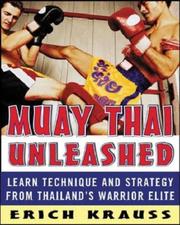
Co-written with elite fighters and coaches, this book breaks down every weapon of Muay Thai with detailed photo sequences — it is the go-to technical manual for drilling individual techniques correctly.
Conditioning & Training Methodology
IntermediateUnderstand how elite Muay Thai fighters train — roadwork, pad work, bag work, sparring protocols, and the physical conditioning that makes technique effective under pressure.
▸ Study plan for this stage
Pace: 4–5 weeks, ~25–30 pages/day, with 2–3 days per week dedicated to practical training application
- Periodized training cycles and progressive overload principles for combat athletes
- Roadwork as aerobic foundation and mental conditioning for Muay Thai endurance
- Pad work mechanics: timing, distance management, and reading opponent patterns
- Bag work progression from technical practice to high-intensity conditioning rounds
- Sparring protocols and controlled intensity levels for skill development without overtraining
- Physical conditioning exercises specific to Muay Thai's demands (core, legs, rotational power, grip strength)
- Recovery and injury prevention strategies integrated into training methodology
- How technique execution changes under fatigue and pressure during live training
- What are the main phases of a periodized training cycle for a Muay Thai fighter, and how do they differ in intensity and focus?
- How does roadwork contribute to both aerobic capacity and mental toughness in Muay Thai, and what distance/duration targets are realistic?
- What are the key technical and tactical objectives when working pads with a trainer, and how should intensity progress over weeks?
- How do bag work rounds differ from pad work in terms of conditioning stimulus, and what round structures build fight-specific endurance?
- What are the safety protocols and intensity guidelines for different types of sparring (technical, light, medium, hard), and when should each be used in a training cycle?
- Which conditioning exercises most directly transfer to Muay Thai performance, and how should they be programmed alongside striking practice?
- Complete a 4-week roadwork progression: start at 3–4 km easy runs, build to 5–6 km with tempo intervals, track pace and perceived effort
- Film yourself doing pad work combinations and compare your distance management, timing, and weight transfer to descriptions in the books; identify 2–3 technical adjustments
- Execute a full bag work session following a structured round plan (e.g., 3 min rounds with 1 min rest) at 70% intensity, then repeat at 85% intensity; note differences in technique breakdown
- Select 3 conditioning exercises from the books (e.g., core work, heavy bag leg kicks, rotational drills) and perform them 2–3x/week for 3 weeks; measure improvement in reps or duration
- Conduct controlled sparring sessions with a partner at 50% and 70% intensity on separate days; record observations about how fatigue affects your technique and decision-making
- Create a personal training template that integrates roadwork, pad work, bag work, and conditioning into a weekly schedule; test it for 2 weeks and adjust based on recovery and performance
Next up: This stage establishes the physical and methodological foundation for elite-level training; the next stage will build on this conditioning base to refine advanced technique, tactical ring generalship, and fight-specific strategy under championship-level pressure.
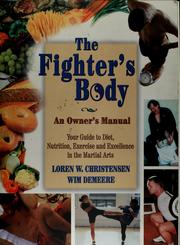
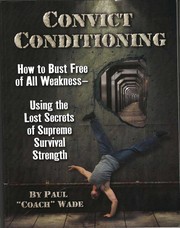
A respected guide to the nutrition, weight management, and physical conditioning specific to combat sports athletes — essential reading before a practitioner begins pushing training intensity seriously.

Delp returns with a dedicated volume on the actual training regimens used in Thai camps — pad drills, bag rounds, sparring structures, and periodization — translating camp methodology into a structured program any serious student can follow.
Strategy, Timing & the Fighting Mind
IntermediateMove beyond technique into the strategic and psychological dimensions of Muay Thai — reading opponents, controlling range, managing a fight, and developing ring intelligence.
▸ Study plan for this stage
Pace: 4–5 weeks, ~40–50 pages/day (alternating between both books; ~2 weeks on Kraithat's strategic sections, then ~2–3 weeks on Sun Tzu with applied Muay Thai context)
- Reading your opponent: recognizing patterns, habits, and tells in footwork, guard, and distance management
- Range control as a strategic tool: using distance to dictate the pace and type of engagement
- The OODA loop in Muay Thai: Observe, Orient, Decide, Act—how faster decision-making wins fights
- Deception and feints: using false movements to set traps and exploit openings
- Adaptability and game-planning: adjusting strategy mid-fight based on opponent tendencies
- Psychological warfare: confidence, composure, and mental dominance in the ring
- Economy of motion: efficiency as a strategic advantage—doing more with less energy
- Sun Tzu's principles applied to fighting: knowing yourself and your opponent, terrain (ring position), and timing as the foundation of victory
- What are the key physical tells that reveal an opponent's next move, and how do you exploit them?
- How does controlling the center of the ring and managing distance give you a strategic advantage?
- What is the OODA loop, and how does it apply to making faster decisions than your opponent in a fight?
- How can feints and deception be used strategically to set up combinations and openings?
- What does it mean to 'read' an opponent, and what specific adjustments should you make based on what you observe?
- How do Sun Tzu's principles of knowing yourself, knowing your enemy, and understanding terrain translate to Muay Thai strategy?
- Watch 3–4 professional Muay Thai fights (full rounds) and identify one recurring pattern or habit for each fighter; note how their opponent exploits or fails to exploit it
- Spar or pad-work session focusing solely on range control: practice moving in and out of distance without committing to strikes, forcing your partner to react
- Film yourself or a training partner during pad work; review the footage and identify 2–3 moments where a feint or false movement could have created an opening
- Practice the OODA loop drill: partner throws a combination, you must Observe, Orient (identify the pattern), Decide (counter), and Act within 1–2 seconds; repeat 10 rounds
- Create a written game plan for a specific opponent (real or hypothetical): list their strengths, weaknesses, habits, and your strategic adjustments for each round
- Conduct a 'range control round': in sparring or pad work, spend an entire round managing distance only—no power strikes, just positioning and footwork to control where your opponent can operate
Next up: This stage equips you with the mental frameworks and strategic awareness to fight intelligently; the next stage will translate these insights into specific tactical systems and advanced combinations that execute your strategy under pressure.

Written by one of Thailand's foremost authorities on the sport, this classic text addresses the tactical and strategic layers of Muay Thai — timing, feinting, and fight management — that only become accessible once technique is grounded.
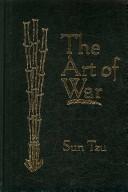
Widely used by Muay Thai coaches and fighters as a framework for combat strategy, this ancient text on deception, adaptability, and reading the opponent maps directly onto ring intelligence and is referenced throughout Thai boxing literature.
Discussion
Keep reading
Paths that share books, cover the same subject, or open a related topic.