Masonry and Bricklaying: The Best Books to Build With Brick and Stone
This curriculum is designed for an intermediate learner who already has some hands-on or conceptual familiarity with construction, and wants to master masonry and bricklaying end-to-end — from mixing mortar and laying courses to building complex structures like walls, patios, and pillars. The three stages move from solidifying core technique, through material-specific mastery, to advanced structural and decorative projects, each stage building directly on the vocabulary and skills of the last.
Core Technique & Foundations
IntermediateSolidify fundamental skills: mortar mixing ratios, tool use, reading bond patterns, laying level and plumb courses of brick and block, and understanding how masonry structures bear load.
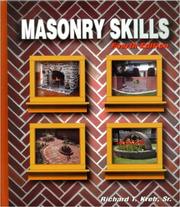
A widely used instructional text covering brick, block, and stone with clear step-by-step sequences. Kreh's systematic approach to joints, bonds, and corners builds the technical vocabulary needed for every later stage.
Brick, Block & Mortar in Depth
IntermediateDevelop a thorough understanding of material selection, mortar types and mixes, and the construction of walls, piers, and pillars in both brick and concrete block.
▸ Study plan for this stage
Pace: 4–5 weeks, ~25–30 pages/day, with 2–3 days per week dedicated to hands-on exercises and site observation
- Concrete masonry unit (CMU) types, dimensions, and strength classifications; hollow vs. solid blocks and their structural implications
- Mortar composition, types (N, S, M, O), and selection criteria based on exposure conditions and structural requirements
- Water absorption, efflorescence, and durability factors in concrete block and their mitigation strategies
- Wall assembly design: single-wythe and multi-wythe construction, cavity walls, and reinforcement placement
- Pier and pillar design principles: load paths, slenderness ratios, and lateral bracing requirements
- Workmanship standards: joint thickness, bed preparation, bond patterns, and quality control in block laying
- Detailing at transitions: foundation connections, roof bearing, openings, and control joints to manage movement
- What are the key differences between concrete block types (e.g., standard, lightweight, high-strength), and how do these differences influence mortar selection and wall design?
- How do you select the appropriate mortar type (N, S, M, or O) for a given application, and what are the consequences of using the wrong type?
- Describe the construction sequence and workmanship requirements for laying concrete block to achieve proper bond, joint fill, and structural integrity.
- What design considerations must be addressed when constructing piers and pillars in concrete masonry, particularly regarding slenderness and lateral support?
- How do water absorption, efflorescence, and freeze-thaw cycles affect concrete block durability, and what preventive measures are recommended?
- What is the purpose and placement of control joints in concrete block walls, and how do they differ from expansion joints?
- Visit an active concrete block masonry project; observe and document block types, mortar consistency, joint tooling, and workmanship quality; photograph bond patterns and transitions.
- Obtain samples of different concrete block types (standard, lightweight, high-strength) and conduct water absorption tests; compare results and relate findings to durability and mortar selection.
- Prepare mortar samples of types N, S, and M; test consistency, workability, and set time; document differences and note how each performs with different block types.
- Sketch and label wall sections showing single-wythe, cavity, and reinforced block wall assemblies; include foundation connections, roof bearing details, and control joint locations.
- Design a simple pier or pillar in concrete block, calculating slenderness ratio and determining required lateral bracing; justify mortar type and reinforcement placement.
- Practice laying a small test wall (3–4 feet) in concrete block, focusing on proper bed preparation, joint thickness (3/8 inch), head joint fill, and bond pattern consistency; have it reviewed by an experienced mason or instructor.
Next up: Mastery of concrete block material properties, mortar selection, and fundamental wall and pier construction techniques establishes the structural and durability foundation needed to advance to specialized topics such as reinforced masonry design, seismic detailing, and complex architectural applications.
The authoritative reference on concrete block (CMU) construction, covering block types, mortar specs, reinforcement, and structural detailing — essential for anyone building block walls or pillars.
Stone, Patios & Decorative Masonry
IntermediateExtend skills to natural and cut stone, learn to design and build patios, steps, and garden walls, and understand how to combine materials for durable, attractive results.
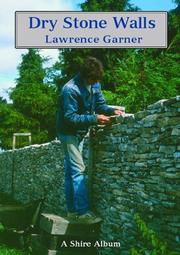
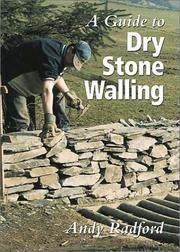
The most respected English-language guide to working with natural stone — dry-laid and mortared — covering walls, foundations, and garden structures. Reading it after block and brick work makes the transition to stone intuitive.
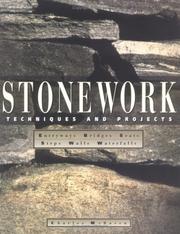
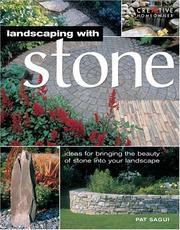
McRaven's follow-up focuses on decorative and landscape applications: patios, steps, retaining walls, and pillars. It bridges structural knowledge with design sensibility, rounding out the curriculum.
Discussion
Keep reading
Paths that share books, cover the same subject, or open a related topic.