Building a Shed: The Best Books on Sheds and Outbuildings
This curriculum takes a complete beginner from zero construction knowledge to confidently planning, framing, and finishing a shed or outbuilding. The four stages move logically from foundational carpentry and tool skills, through shed-specific design and planning, into hands-on framing and finishing techniques, and finally into advanced outbuilding types like workshops and garages — so each stage builds directly on the vocabulary and skills of the one before it.
Foundations: Carpentry & Construction Basics
BeginnerUnderstand essential hand and power tools, basic lumber and materials knowledge, and the core vocabulary of wood-frame construction before touching a shed project.
▸ Study plan for this stage
Pace: 4–5 weeks, ~25–30 pages/day, with 2–3 days per week reserved for hands-on tool practice and material identification
- Hand tool anatomy, safety, and proper grip/stance for chisels, saws, planes, hammers, and measuring tools
- Power tool fundamentals: circular saws, drills, sanders, and nail guns—including safety protocols and maintenance
- Lumber grading, species selection, moisture content, and how wood movement affects construction
- Fasteners (nails, screws, bolts) and adhesives: selection criteria and proper installation techniques
- Wood-frame construction vocabulary: studs, joists, headers, plates, blocking, and how they work together structurally
- Reading and interpreting construction drawings, blueprints, and material lists
- Workbench setup, workshop safety, and dust/noise management for a home shop
- What are the key safety rules for operating a circular saw, and how do you maintain proper body position and blade depth?
- How do you select the right lumber grade and species for a specific shed component, and what does moisture content tell you about wood stability?
- What is the difference between a stud, a joist, and a header, and where would each be used in a simple shed frame?
- How do you read a construction drawing to identify materials, dimensions, and assembly sequence?
- What fastener (nail, screw, or bolt) would you choose for a given joint, and why does the choice matter for strength and longevity?
- What are the essential safety practices for setting up and maintaining a home workshop?
- Handle and practice proper grip and stance with at least five different hand tools (hammer, chisel, handsaw, block plane, combination square) on scrap wood
- Visit a lumber yard or home center; identify and compare at least three different lumber grades and species, noting color, grain, and defects
- Measure moisture content of wood samples using a moisture meter (or observe seasonal movement in existing wood); document findings
- Sketch or trace a simple construction drawing from the book; label all structural members (studs, joists, plates, headers) and list required materials
- Assemble a small practice joint (e.g., butt joint, lap joint) using the appropriate fastener and adhesive; test its strength
- Set up a safe, organized workbench with proper tool storage, dust collection, and lighting; photograph and review for safety compliance
Next up: Mastery of these fundamentals—tool handling, material knowledge, and construction vocabulary—equips you to read and understand shed plans, estimate materials accurately, and work safely, preparing you to move into the design and planning phase where you'll apply these skills to your first project.
A comprehensive beginner's reference covering tools, materials, fasteners, and basic framing concepts — gives you the shared language every later book assumes you already know.
Planning & Design: Laying Out Your Shed Project
BeginnerRead site conditions, choose the right shed style and size, understand permits and foundations, and produce a workable plan before breaking ground.
Walks through design options and material lists for a range of small outbuildings, reinforcing planning skills with concrete, real-world examples at a beginner-friendly pace.
Core Skills: Framing, Roofing & Finishing a Shed
IntermediateExecute a complete shed build from foundation through roof and siding — mastering wall framing, roof pitch, sheathing, doors, and windows step by step.
The most widely recommended shed-specific how-to book; its step-by-step plans and clear illustrations make it the ideal first full build guide after you have basic carpentry vocabulary.
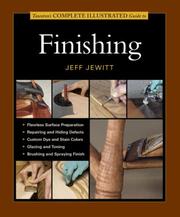
Covers painting, staining, and protecting wood surfaces so your finished shed weathers well — a natural next step once the structure is framed and sheathed.
Advanced Outbuildings: Workshops, Garages & Larger Structures
ExpertScale up skills to design and build larger, more complex outbuildings including detached garages, workshops with electrical rough-in, and multi-use barn structures.
Transitions from simple storage sheds to a fully functional workshop, covering layout, workbenches, dust collection, lighting, and electrical planning — a significant complexity step up.
Discussion
Keep reading
Paths that share books, cover the same subject, or open a related topic.