Best Books for a Library Science Career (in Order)
This curriculum takes a beginner from the core concepts of library and information science — how information is organized and retrieved — through the practical skills of reference work and collection development, and finally into the professional and academic landscape of the MLIS degree and a library career. Each stage builds the vocabulary, mental models, and professional awareness needed for the next, so that by the end the learner is fully prepared to enter and thrive in the field.
Foundations: What Libraries Are and Why They Matter
BeginnerUnderstand the purpose, history, and social role of libraries, and gain the core vocabulary of library and information science before diving into technical skills.
▸ Study plan for this stage
Pace: 4–5 weeks, ~25–30 pages/day. Start with Lankes (approximately 2–3 weeks), then move to Greer (approximately 2 weeks). Allow time for reflection and exercises between books.
- Libraries as community anchors and agents of change, not just repositories of books (Lankes' core thesis)
- The shift from collections-centric to people-centric library philosophy and mission
- Historical evolution of libraries from ancient times through the digital age and its relevance today
- Core vocabulary: information literacy, knowledge creation, community engagement, professional ethics, and the library's social contract
- The role of librarians as facilitators of conversation and knowledge creation rather than gatekeepers
- Diversity of library types (public, academic, special, school) and their distinct missions
- Foundational professional standards, codes of ethics, and the commitment to intellectual freedom
- How libraries address contemporary challenges: equity, access, digital divides, and community needs
- According to Lankes, what is the fundamental purpose of a library, and how does it differ from the traditional view of libraries as book repositories?
- What is the historical trajectory of libraries from ancient civilizations to the modern era, and what major shifts in library purpose and function have occurred?
- How do the different types of libraries (public, academic, special, school) serve distinct communities, and what are their core missions?
- What does it mean for a librarian to be a facilitator of knowledge creation and community conversation, and why is this role important?
- What are the key professional ethics and values in library science, and how do they guide librarian practice?
- What contemporary social challenges (equity, access, digital literacy) are libraries positioned to address, and how?
- Visit a local library (public, academic, or school) and conduct a 30-minute observation: note the physical layout, types of patrons, services offered, and community spaces. Write a one-page reflection on how the library embodies (or diverges from) Lankes' vision of libraries as community anchors.
- Create a timeline of library history from the reading, marking major turning points (e.g., Alexandria, printing press, digital revolution). Annotate each with how the library's purpose or role shifted.
- Interview a librarian (in person or via email) about their role and how they facilitate knowledge creation or community engagement. Summarize their answers and connect them to concepts from Lankes and Greer.
- Develop a one-page 'library mission statement' for a hypothetical library serving a specific community (e.g., rural town, university, immigrant neighborhood). Ground it in the professional values and purposes you've learned.
- Read and annotate the American Library Association's Code of Ethics (freely available online). Map each principle to relevant passages in Lankes or Greer, and write a short reflection on why these ethics matter.
- Identify one contemporary social issue (e.g., homelessness, digital literacy, food insecurity) and research how libraries in your region are addressing it. Write a 2–3 page analysis connecting this work to the foundational concepts you've learned.
Next up: This stage establishes the philosophical and historical foundation—*why* libraries exist and what they're meant to do—preparing you to move into the technical and operational skills (cataloging, reference services, collection development) that bring this vision to life in practice.
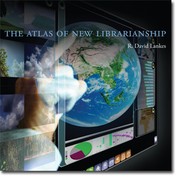
A visionary yet accessible manifesto that redefines librarianship around knowledge creation and community — ideal first read to understand what the profession is truly about and why it matters.

A broad, structured survey of the entire LIS field — its history, institutions, and core functions — giving beginners the full map of the profession before zooming into any one area.
Information Organization: Cataloging, Classification, and Metadata
BeginnerLearn how libraries organize knowledge — through cataloging, classification systems, and metadata — which is the technical backbone of every library career path.
▸ Study plan for this stage
Pace: 6–8 weeks, ~25–30 pages/day (approximately 180–200 pages total across both books)
- Principles of information organization and why standardized systems are essential to library work
- MARC records and how bibliographic data is structured, coded, and shared across libraries
- Dewey Decimal Classification (DDC) and Library of Congress Classification (LCC) systems: structure, application, and when to use each
- Cataloging rules and standards (RDA, AACR2) for creating consistent, searchable bibliographic records
- Metadata fundamentals: what it is, why it matters, and how it enables discovery and access
- Authority control and the role of controlled vocabularies in organizing information
- Subject analysis and subject headings (LCSH) as tools for intellectual organization of library materials
- What is the difference between cataloging and classification, and why do libraries need both?
- How do MARC records function as the standard language for sharing bibliographic information between libraries?
- When would you use Dewey Decimal Classification versus Library of Congress Classification, and what are the structural differences between them?
- What role do cataloging standards (such as RDA) play in ensuring consistency and interoperability across library systems?
- How do authority control and controlled vocabularies improve information retrieval and user experience?
- What is metadata, and how does it differ from traditional cataloging in the digital environment?
- Create a full MARC record for a book of your choice, including all essential fields (leader, fixed fields, title, author, subject headings, call number)
- Classify 5–10 sample books using both Dewey Decimal and Library of Congress systems; compare your results and explain the differences in approach
- Conduct subject analysis on 3 different books and assign appropriate Library of Congress Subject Headings (LCSH) with proper authority control
- Build a simple metadata schema for a small collection of resources (e.g., 10 items); document each metadata element and explain its purpose
- Practice applying RDA cataloging rules to create bibliographic records for different resource types (book, journal article, digital resource)
- Analyze an existing library catalog record (from your local library's OPAC or a public database); identify each component (MARC fields, call number, subject headings, authority records) and explain how it supports discovery
Next up: This stage establishes the technical and intellectual foundations of information organization, preparing you to advance to specialized topics like database design, digital asset management, or specific cataloging practices in archives, special collections, or emerging formats.
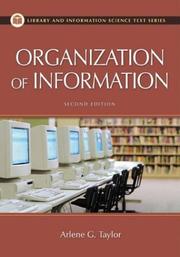
The canonical introductory text on how information is described, classified, and retrieved; read first to build the conceptual framework before tackling specific standards.
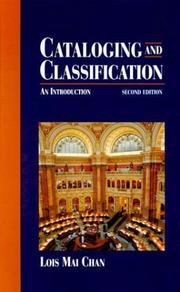
A practical, authoritative guide to real-world cataloging practice using MARC, LCSH, and Dewey/LC classification — the direct application of the concepts learned in Taylor.
Reference and Information Services
IntermediateDevelop the skills to help patrons find, evaluate, and use information effectively — the day-to-day heart of public-facing library work.
▸ Study plan for this stage
Pace: 8–10 weeks, ~40–50 pages/day. Start with Bopp's foundational chapters (weeks 1–5), then transition to Saricks' genre guide (weeks 6–10) to apply reference skills to fiction advisory.
- Reference interview techniques: how to conduct effective patron interactions to clarify information needs and uncover underlying questions
- Information evaluation and source credibility: assessing the reliability, accuracy, and appropriateness of reference sources for different patron requests
- The reference collection: understanding core print and digital resources (encyclopedias, databases, directories, handbooks) and when to deploy each
- Readers' advisory as a reference service: using genre knowledge, reader preferences, and appeal factors to match patrons with fiction that meets their needs
- Genre conventions and reader expectations: recognizing the defining characteristics, tropes, and appeal elements of major fiction genres (mystery, romance, science fiction, fantasy, etc.)
- Personalized recommendation strategies: moving beyond plot summary to understand what draws readers to specific genres and authors
- Ethical information service: balancing patron privacy, intellectual freedom, and the responsibility to provide accurate, unbiased information
- What are the key steps in conducting a reference interview, and how do you distinguish between a patron's stated question and their actual information need?
- How would you evaluate the credibility and appropriateness of a source when answering a reference question, and what criteria from Bopp's framework would you apply?
- Describe the core components of a modern reference collection. What role do print resources still play alongside digital tools?
- Using Saricks' framework, explain how you would conduct a readers' advisory interview to recommend fiction to a patron who enjoys character-driven stories.
- What are the defining appeal factors and reader expectations for three different genres covered in Saricks' guide, and how would you use this knowledge to make recommendations?
- How do reference services and readers' advisory work together to serve patron information and entertainment needs?
- Conduct five mock reference interviews with peers or mentors, practicing open-ended questions, clarification techniques, and active listening. Record yourself and self-assess against Bopp's interview guidelines.
- Build a personal reference toolkit: identify and annotate 10–15 key print and digital sources (encyclopedias, databases, directories, etc.) from Bopp's recommendations, noting their strengths, limitations, and best-use scenarios.
- Evaluate three different sources answering the same reference question (e.g., 'What are the health effects of caffeine?'). Compare accuracy, currency, bias, and audience level using Bopp's evaluation criteria.
- Read and analyze three genre chapters from Saricks' guide (e.g., mystery, romance, science fiction). For each, create a one-page appeal profile summarizing key characteristics, reader expectations, and 5–7 recommended titles with brief justifications.
- Conduct five readers' advisory interviews with friends, family, or library patrons. Use Saricks' techniques to uncover their reading preferences, appeal factors, and past favorites, then recommend two titles with personalized explanations.
- Create a genre-matching exercise: given 10 patron profiles (e.g., 'likes strong female characters and fast-paced plots'), recommend specific genres and titles from Saricks' guide with written rationales.
Next up: Mastery of reference interviewing, source evaluation, and genre-based readers' advisory equips you to move into specialized reference services (legal, medical, business) and advanced collection development, where you'll apply these foundational skills to curate and manage resources for specific patron populations and subject domains.
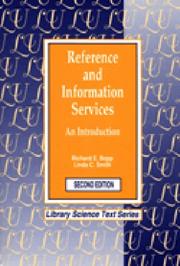
The standard textbook for reference librarianship, covering the reference interview, source evaluation, and major reference tools — read first to get the full theoretical and practical framework.
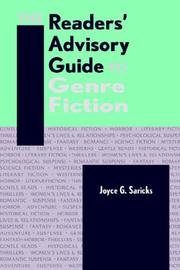
Readers' advisory is a core reference skill; this widely used guide teaches how to match readers to books, a practical competency that complements database-focused reference work.
Collections, Management, and Library Operations
IntermediateUnderstand how libraries are managed as institutions — collection development, budgeting, policy, and the operational decisions that keep a library running.
▸ Study plan for this stage
Pace: 8–10 weeks, ~40–50 pages/day (mix of dense management theory and practical frameworks)
- Collection development policies: selection criteria, weeding, and lifecycle management of library materials
- Budget planning and resource allocation: cost-benefit analysis, funding models, and financial sustainability
- Organizational structure and governance: roles of librarians, staff hierarchies, and decision-making frameworks
- Vendor relations and acquisitions: negotiating with publishers, managing subscriptions, and procurement processes
- Service policies and patron-centered operations: circulation policies, access models, and community needs assessment
- Assessment and evaluation: measuring collection effectiveness, usage statistics, and performance metrics
- Strategic planning and change management: aligning library operations with institutional missions and adapting to technological shifts
- What are the core components of a collection development policy, and how does it guide selection and weeding decisions?
- How do libraries balance competing budget priorities between collections, staffing, technology, and facilities?
- What organizational structures are most effective for different library types, and how do roles and responsibilities differ?
- How should a library evaluate vendor proposals and negotiate contracts to maximize value and minimize costs?
- What metrics and assessment methods help libraries measure whether their collections and services meet patron needs?
- How can library managers implement policy changes or operational improvements while maintaining staff and community buy-in?
- What are the key differences in collection management and operational priorities between academic, public, and special libraries?
- Create a mock collection development policy for a specific library type (public, academic, or special), including selection criteria, weeding guidelines, and budget allocation percentages
- Develop a simplified annual budget for a library, allocating funds across collections, salaries, technology, and facilities; justify your allocation decisions
- Conduct a vendor comparison exercise: evaluate 2–3 book jobbers or database providers using criteria from Stueart's acquisition frameworks; write a recommendation memo
- Analyze a real library's circulation and collection usage data (available through case studies in the texts or public library reports); identify underperforming areas and propose collection adjustments
- Draft a patron needs assessment survey and analyze sample responses to inform collection and service decisions
- Design an operational policy (e.g., circulation rules, late fees, or access restrictions) for a specific patron group; justify it using management principles from the readings
- Interview a library manager (in person or via email) about their budget process, vendor negotiations, and collection priorities; summarize findings and compare to textbook frameworks
Next up: This stage equips you with the institutional and operational knowledge needed to understand how libraries make strategic decisions; the next stage will apply these management principles to emerging challenges like digital transformation, equity, and evolving patron expectations.

A foundational, widely adopted text on selecting, acquiring, evaluating, and weeding library collections — essential knowledge for almost every librarian role.
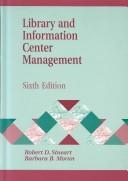
Covers the administrative and managerial side of running a library — staffing, budgets, planning, and leadership — preparing the learner to think beyond individual tasks to institutional health.
The MLIS Path: Professional Identity and Career Launch
ExpertNavigate the MLIS degree strategically, understand the evolving job market, and build a professional identity that will sustain a long library science career.
▸ Study plan for this stage
Pace: 4–5 weeks, ~40–50 pages/day, with 2–3 days per week dedicated to reflection and exercises
- MLIS program selection criteria and specialization pathways that align with career goals
- The evolving library job market: trends, emerging roles, and skills employers prioritize
- Building a professional identity through mentorship, networking, and continuous learning
- Strategic career planning: setting short-term and long-term objectives within library science
- Navigating the transition from student to early-career librarian
- Personal branding and positioning yourself competitively in the job market
- Understanding different library sectors (academic, public, special, school) and their career trajectories
- Sustaining long-term career satisfaction and preventing burnout through intentional choices
- What factors should you prioritize when selecting an MLIS program and specialization, and how do these align with your career aspirations?
- What are the current and emerging trends in the library job market, and which skills are employers seeking most actively?
- How can you build and cultivate a professional identity that differentiates you in the library science field?
- What strategies can you use to network effectively and find mentors during and after your MLIS?
- How do you transition successfully from student status to early-career librarian, and what challenges should you anticipate?
- What does a sustainable, long-term career plan in library science look like, and how do you avoid burnout?
- Create a personal MLIS program comparison matrix: evaluate 3–5 programs you're considering (or have considered) against criteria like specializations offered, location, cost, reputation, and alignment with your career goals.
- Conduct informational interviews with 3–4 librarians working in different sectors (academic, public, special, school); document their career paths, key decisions, and advice for early-career professionals.
- Develop a 5-year career roadmap: outline your MLIS timeline, desired specialization, target job roles, skill-building milestones, and how you'll measure success.
- Audit your professional identity: review your LinkedIn profile, online presence, and elevator pitch; revise them to reflect the professional brand you want to build in library science.
- Research and document 5–10 emerging roles or specializations in library science mentioned in the book; for each, identify required skills, typical employers, and salary ranges.
- Create a networking action plan: identify professional associations, conferences, and online communities relevant to your library science interests; set specific goals for engagement over the next 12 months.
- Write a reflective essay (1,500–2,000 words) on your personal definition of career success in library science and how you'll sustain long-term satisfaction in the field.
Next up: This stage equips you with strategic clarity about your MLIS path and professional identity, preparing you to move into specialized skill-building and advanced practice areas where you'll deepen expertise in your chosen library science specialization.

A comprehensive, practical guide to every stage of a library career — from choosing a specialty and surviving library school to job searching and professional development — the ideal capstone for this curriculum.
Discussion
Keep reading
Paths that share books, cover the same subject, or open a related topic.