Jack Ryan Reading Order: Publication or Chronological?
Tom Clancy's Ryan books are the rare series where publication order and internal chronology genuinely disagree — The Hunt for Red October was written first but sits third or fourth in Ryan's life, and Without Remorse is a prequel about a different man. The recommendation here is publication order anyway, because Clancy wrote each book assuming you had read the last one, and the technology and the geopolitics only make sense as they were released. This path covers the novels Clancy wrote himself; the continuations published under his name after 2013 are by other hands.
Start here
BeginnerRead the two books that made the series, and learn Clancy's method: procedure first, character second.
▸ Study plan for this stage
Pace: Four to five weeks for the two, about 480 and 540 pages. Clancy reads faster than his page counts imply once you accept that technical passages can be taken at speed — thirty to forty pages an evening is normal. The Hunt for Red October's first hundred pages are the steepest part of the whole series
- Publication order and internal chronology genuinely disagree in this series, and the recommendation is publication order anyway — Clancy wrote each book assuming you had read the last, and the technology and geopolitics only make sense as they were released
- The Hunt for Red October was written first but sits third or fourth in Ryan's life; reading it first is the standard advice and the right advice
- It is also the tightest thing Clancy wrote — one chase, a small cast, and a clean demonstration of his method: procedure first, character second
- Patriot Games is a prequel in story terms, set before Red October, but reads far better second: you already know who Ryan becomes, and it introduces the family that later books repeatedly put in danger
- Clancy's tension comes from competence and procedure — chains of command, sonar readings, satellite passes — not from psychology; the pleasure is watching systems work
- The books are politically committed: institutionally pro-military, pro-intelligence-service, and generally certain that American professionals are the adults in the room
- Women in these novels are almost entirely wives, and Ryan's family exists mainly to be threatened; this does not improve later
- Everything in this path is by Clancy himself; the novels published under his name after his death in 2013 are by other authors entirely, and this path does not cover them
- What does The Hunt for Red October explain and what does it expect you to absorb without explanation? Where is the line?
- Ryan is an analyst, not an operator. What does that make him useful for in these two books, and how does Clancy keep an analyst at the centre of action scenes?
- Why does Patriot Games work better second despite happening first? Name the specific things it assumes you already feel about Ryan.
- Clancy's villains are usually institutions or ideologies with one human face attached. Test that against Red October's Soviets.
- How much of the technical detail did you actually need? Try summarising the plot of Red October without any of it.
- Skim, do not stall, on hardware passages during Red October. Read them once at pace; the plot never depends on retaining the specifications.
- Keep a one-page cast list. Clancy's ensembles run to dozens of named officers and the later books assume you remember them.
- Note the moment in Patriot Games where Ryan stops being a bystander. That transition is the engine of the entire remaining series.
- Write down what the novels assume about the CIA as an institution. You will want that baseline when Clear and Present Danger attacks it.
Next up: You have Ryan the analyst and Ryan the family man; the Cold War novels take both and push him inside the institutions he has been advising.

The right first book despite sitting later in Ryan's internal chronology — it is the tightest thing Clancy wrote and the cleanest introduction to how he builds tension out of technical detail.

A prequel in story terms, set before Red October, but read it second: it is far more enjoyable once you already know who Ryan becomes, and it introduces the family that later books put in danger.
The Cold War core
BeginnerRead the three novels that are the series at its peak, and watch Ryan move from analyst to insider.
▸ Study plan for this stage
Pace: Eight to ten weeks. These are 400, 690 and 910 pages respectively — the longest sustained stretch so far. Forty pages an evening gets you through in about two months. The Sum of All Fears is the first genuinely enormous Clancy and the point where readers most often stall; if you need a break in the
- This is the series at its peak, and the three books track Ryan moving from analyst to insider to principal
- The Cardinal of the Kremlin is the direct sequel to Red October and, for many readers, the best of the run — its spy plot only pays off because you met Ryan on the submarine
- Clear and Present Danger is where Clancy turns on his own institutions: an off-books operation, abandoned soldiers, and an administration that lies. It is longer and angrier than anything before it
- That anger is worth noticing, because the series is often described as uncritically pro-establishment; Clear and Present Danger is the strongest evidence against that reading
- The Sum of All Fears is the last Cold War novel and the longest to this point, and its ending is what makes Ryan's later political career plausible
- Clancy's method scales badly and interestingly: as the books lengthen, the number of viewpoint characters multiplies and the plots become geopolitical rather than personal
- The Latin American material in Clear and Present Danger and the Middle Eastern material in The Sum of All Fears both carry the broad-brush characterisation typical of the genre and the period
- Reading these in order matters more than in the opening stage: Ryan's promotions, his enemies and his political capital all carry forward
- What does Clear and Present Danger accuse the American government of, and how far does Clancy let the accusation stand?
- The Cardinal of the Kremlin depends on your relationship with Ryan from Red October. Identify exactly where that dependency bites.
- The Sum of All Fears is nearly a thousand pages. What is the extra length buying — plot, cast, or credibility?
- How does Clancy handle nuclear escalation as a procedural problem rather than a moral one, and does the book ever step outside that frame?
- Ryan's authority grows across these three books. What does he lose as he gains it?
- Where do the foreign settings become caricature, and does the plotting depend on the caricature or merely carry it?
- Track Ryan's job title book by book. The series is, structurally, a promotion ladder, and writing it out makes the arc obvious.
- In Clear and Present Danger, list what each institution knows and when. Clancy's plots are information-flow diagrams and they read better when drawn.
- Set yourself a page target before starting The Sum of All Fears. This is the book that ends most Clancy reading projects.
- After The Sum of All Fears, write two sentences predicting where the series goes next. The answer is stranger than most readers guess.
Next up: The Cold War is over and Ryan has national standing, which is the setup for the sharpest change of direction in the series.
The direct sequel to Red October and, for many readers, the best of the run. Its spy plot only pays off if you already met Ryan on the submarine.
The book where Clancy turns on his own institutions. Longer and angrier than what came before, and it depends on your knowing how Ryan's CIA works.
The last of the Cold War novels and the longest so far. Read it fifth; its ending is what makes Ryan's later political career plausible.
President Ryan
IntermediateFollow the sharp change in the series when Ryan stops being a spy and starts running the country.
▸ Study plan for this stage
Pace: Ten to twelve weeks for the two, at roughly 830 and 1,100 pages. This is nearly two thousand pages of continuous story and it is the biggest single commitment in the path. Read them back to back or not at all — Executive Orders picks up minutes after Debt of Honor ends and is effectively its second
- Debt of Honor is the pivot of the entire sequence, and everything after it depends on its last chapter — reading it out of order breaks the series
- Its ending is famous for reading very differently after 2001, and readers coming to it now should expect that recognition rather than be ambushed by it
- Executive Orders begins minutes later and is essentially the same novel continued: the two are one story split by a publisher, not a book and its sequel
- The series changes genre here — from espionage thriller to political fantasy about governing, with long stretches of policy, cabinet-building and legislative argument
- Whether you enjoy this stage is the single best predictor of whether you should read the fourth stage at all
- Debt of Honor's portrayal of Japan and Japanese business is broad and hostile, written at the height of American anxiety about Japanese economic power, and it has dated conspicuously
- Executive Orders is where Clancy's politics are most explicit and least mediated by plot: an unelected outsider dismantles the political class and is proved right about nearly everything
- Clancy's procedural instinct survives the genre change — the pleasure is still watching systems work, only the system is now the executive branch
- What makes Debt of Honor's ending structurally necessary rather than a shock tactic? Consider what the series needed to do next.
- Where does Debt of Honor's account of Japan stop being characterisation and start being caricature?
- Executive Orders spends hundreds of pages on governing rather than on threat. Is that a failure of thriller writing or a different book being attempted?
- What does the novel believe about elected politicians, and is that belief argued or assumed?
- Ryan spent five books inside institutions and now runs one. Has Clancy's view of institutional competence changed?
- Commit to both books before starting either. Stopping between them leaves you at the worst possible point in the series.
- Keep a list of Ryan's cabinet appointments and their qualifications in Executive Orders. The pattern is the political argument.
- Note every time a character explains why the normal process is inadequate. That is the recurring move of the whole stage.
- After finishing, write one paragraph on whether you want the remaining novels. The honest answer here saves or justifies another two thousand pages.
Next up: With Ryan installed as a principal, the remaining novels branch outward to the other characters and the corners of the timeline.
The pivot of the whole sequence, and famous for an ending that reads very differently after 2001. Do not read it out of order — everything after depends on its last chapter.

Picks up minutes after Debt of Honor ends and is essentially its second half. Read the two back to back or not at all.
The wider Ryanverse
IntermediateRead the books that expand the universe beyond Ryan himself, and know which ones are safe to skip.
▸ Study plan for this stage
Pace: Three to four months for all four — roughly 770, 900, 1,030 and 720 pages. This is the stage to read selectively rather than completely. Without Remorse and Rainbow Six are the two most people finish; The Bear and the Dragon is worth it only if the political books held you, and Red Rabbit is the nat
- These books expand the universe away from Ryan himself, which is why they sit last rather than in chronological position
- Without Remorse is a 1970s prequel about John Kelly, not Ryan, and is the darkest thing Clancy wrote — a straight revenge novel with a great deal of violence and a much bleaker moral frame than the rest
- It is best read here, after you have met Kelly's later self in the intervening novels, which is what makes the prequel land
- Rainbow Six follows John Clark rather than Ryan and is among the most purely entertaining entries — it assumes you know Clark from the earlier books, so it does not work as an entry point
- The Bear and the Dragon is the last of the big President Ryan novels and is enormous; its portrayal of China is broad in the same way Debt of Honor's Japan was, and the political material dominates the thriller material
- Red Rabbit is a late prequel set in 1982 and is generally considered a weak entry — read it last or not at all, and treat it as the boundary of the path
- Everything up to this point was written by Clancy himself; the Ryan novels published after his death in 2013 are written by other authors under his name and are a separate series in practice
- Skipping is legitimate here in a way it was not earlier: these four do not build on each other, and the continuity cost of missing one is near zero
- Without Remorse is a revenge novel with an intelligence plot attached. Does the moral frame match the rest of the series, and if not, what changed?
- Rainbow Six works because you know Clark. What specifically would a new reader miss, and would the plot still function?
- The Bear and the Dragon runs past a thousand pages. Identify what could be cut without losing the story — the answer is a fair verdict on late Clancy.
- Red Rabbit is a prequel written twenty years after the events it depicts. What does hindsight do to a thriller's tension?
- Having read the series in publication order, would you now recommend chronological order to someone else? Argue it concretely.
- Choose which of these four you will actually read before starting any of them. This is the first stage where completism is a mistake.
- Read Without Remorse's opening fifty pages and decide on tone. It is a different kind of book from everything preceding it, and the decision is best made early.
- Note where Clancy's later novels stop being about a threat and start being about administration. That transition is the series' arc in one observation.
- Write down which continuation authors have written Ryan novels since 2013 before you buy anything further, so you know whose book you are picking up.
Next up: You have the whole of Clancy's own Ryanverse and a clear line between his books and the continuations written by other hands.
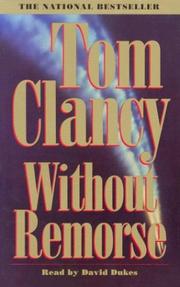
A 1970s prequel about John Kelly, not Ryan, and the darkest book Clancy wrote. Published seventh and best read here, once you have met Kelly's later self in the intervening novels.
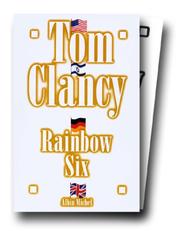
A spin-off following John Clark rather than Ryan, and one of the most purely entertaining entries. It assumes you know Clark from the earlier books.
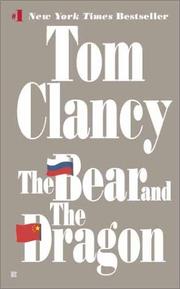
The last of the big President Ryan novels and enormously long. Worth it if the political books held you; skippable if they did not.
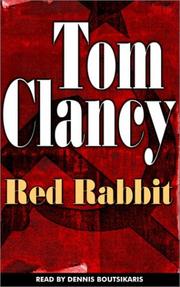
A late prequel set in 1982, and generally considered a weak entry. Read it last, or not at all — it is the natural place to stop before the posthumous continuations begin.
Discussion
Keep reading
Paths that share books, cover the same subject, or open a related topic.