Best Books on Islamic Art, in Reading Order
This curriculum builds from a confident survey of Islamic art's core visual language — geometry, calligraphy, and ornament — through the monumental architecture of the great mosques, into the intimate worlds of manuscripts and metalwork, and finally into the rich regional traditions of Persia, the Arab lands, Ottoman Turkey, and beyond. Starting at an intermediate level, each stage deepens both historical knowledge and visual literacy, so that by the end the reader can read an object, a building, or a page with genuine scholarly fluency.
The Visual Language of Islamic Art
IntermediateEstablish a confident command of the foundational principles — geometry, calligraphy, arabesque, and the relationship between faith and form — that underpin every subsequent topic.
▸ Study plan for this stage
Pace: 4–5 weeks, ~25–30 pages/day. Week 1–2: Mozzati's foundational chapters on geometry and calligraphy (~50 pages/week). Week 3: Transition to Grabar on ornament and symbolic function (~40 pages). Week 4–5: Deep review of both texts with focus on interconnections (~30 pages/week plus review).
- Geometric principles as theological expression: how mathematical patterns reflect Islamic monotheism and divine order
- Calligraphy as art form: the elevation of script from functional writing to sacred visual practice
- The arabesque as infinite, non-representational ornament: its role in avoiding figural imagery and creating spiritual space
- Ornament as mediation: Grabar's concept of how decorative elements communicate between the material and spiritual realms
- The prohibition of figural representation and its creative consequences for visual culture
- Unity through repetition and pattern: how modular design creates coherence across scales (from tile to building)
- The relationship between function and decoration: how ornament serves both aesthetic and theological purposes
- How do geometric patterns in Islamic art function as expressions of Islamic theology, and what mathematical principles underpin them?
- What is the distinction between calligraphy as writing and calligraphy as visual art, and why did this distinction matter in Islamic culture?
- How does the arabesque differ from representational ornament, and what theological concerns does this difference address?
- According to Grabar, what role does ornament play in mediating between the material object and spiritual meaning?
- How did the absence of figural representation shape the development of decorative vocabulary in Islamic art?
- How do principles of repetition and modular design create visual and conceptual unity across different scales and contexts in Islamic art?
- Geometric construction exercise: Using compass and ruler, reproduce 2–3 geometric patterns from Mozzati (e.g., star patterns, interlocking grids). Analyze how the underlying mathematical ratios create visual harmony.
- Calligraphic study: Copy a short Arabic phrase or Quranic verse using the principles Mozzati outlines. Focus on the relationship between letterforms and negative space, noting how script becomes image.
- Arabesque analysis: Select one arabesque design from Mozzati and trace its infinite potential—extend the pattern on paper to understand how it generates endless variation without representational content.
- Comparative ornament mapping: Choose one architectural or object example from each book. Create a visual diagram showing how Mozzati's geometric/calligraphic elements and Grabar's concept of mediation work together in the same piece.
- Theological reflection writing: Write 2–3 pages connecting one geometric or calligraphic example to Islamic monotheism (tawhid). Use Mozzati's historical context and Grabar's theoretical framework.
- Pattern documentation project: Photograph or sketch 3–5 examples of Islamic ornament (in museums, books, or online collections). For each, identify the geometric/calligraphic/arabesque elements and explain how ornament mediates meaning according to Grabar's framework.
Next up: This stage equips you with the visual and conceptual vocabulary—geometry, calligraphy, arabesque, and the theology of ornament—necessary to analyze how these principles manifest in specific architectural and decorative contexts, preparing you to study particular periods, regions, and building types with informed depth.

A richly illustrated, thematically organized introduction that surveys all major media and periods, giving the intermediate reader a reliable visual vocabulary before diving into specialist topics.

Grabar — the field's most influential theorist — unpacks why ornament is not mere decoration but a primary carrier of meaning in Islamic art; essential conceptual grounding for everything that follows.
The Great Mosques and Sacred Architecture
IntermediateUnderstand the mosque as the central monument of Islamic civilization — its typology, regional variations, structural ingenuity, and symbolic program — from the Umayyad period to the Ottomans.
▸ Study plan for this stage
Pace: 8–10 weeks, ~25–30 pages/day (alternating between both texts; approximately 4–5 weeks per book with overlap for synthesis)
- Mosque typology and evolution: hypostyle, domed, cruciform, and courtyard plans from Umayyad through Ottoman periods
- The qibla wall, mihrab, and minbar as sacred focal points and their theological/functional significance
- Structural innovations in Islamic architecture: the development of the dome, vault systems, and load-bearing techniques
- Regional variations in mosque design across the Islamic world (Levantine, Persian, North African, Anatolian, and Mughal traditions)
- The relationship between geometric pattern, calligraphy, and ornament as expressions of Islamic theology and cosmology
- Urban planning and the mosque's role as the organizing center of Islamic cities
- Reuse of classical materials and spolia in early Islamic monuments and their cultural implications
- The evolution of minaret forms and their function as both practical and symbolic elements
- How did the hypostyle mosque plan evolve from the Umayyad period, and what structural and liturgical advantages did it offer?
- What are the key differences between Arab, Persian, Turkish, and North African mosque architectures, and what geographic or cultural factors drove these variations?
- How do the mihrab, minbar, and qibla wall function together as a sacred program, and what theological concepts do they embody?
- What structural innovations (domes, vaults, arches) allowed Islamic architects to create larger, more complex interior spaces, and how do these compare to contemporary Byzantine or Romanesque solutions?
- How do geometric patterns, calligraphy, and ornamental programs in mosques reflect Islamic theological principles, particularly regarding the representation of the divine?
- What role did the reuse of Roman and Byzantine materials play in early Islamic monuments, and what does this reveal about cultural continuity and change?
- Create comparative floor plans of at least four major mosques from different periods and regions (e.g., Umayyad Mosque in Damascus, Great Mosque of Córdoba, Süleymaniye in Istanbul, Safavid mosques in Isfahan). Annotate the qibla, mihrab, minbar, courtyard, and structural systems.
- Sketch the elevation and cross-section of a domed mosque (e.g., Süleymaniye or Selimiye) to understand how domes are supported and how interior space is organized vertically.
- Analyze the geometric patterns in a specific mosque's tilework or carved decoration (using photographs from the texts or museum collections). Identify the underlying mathematical principles and explain how they relate to Islamic cosmology.
- Trace the evolution of minaret forms across three regions by collecting images and measurements. Create a visual timeline showing how function and aesthetics changed over time.
- Write a 2–3 page architectural analysis of one major mosque, addressing its plan, structural system, decorative program, and regional context, using Frishman and Hillenbrand as primary sources.
- Visit or virtually tour a mosque (in person if possible, or via online museum collections/3D models). Document its plan, materials, decoration, and spatial experience; compare your observations to descriptions in the texts.
Next up: This stage establishes the mosque as the foundational typology and symbolic center of Islamic civilization, preparing you to explore how religious, political, and domestic architecture extended these principles into palaces, madrasas, tombs, and secular urban spaces in the next stage.
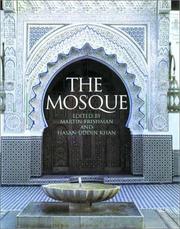
The standard scholarly reference on mosque architecture worldwide, organized by region and period; read first to establish the full typological map before focusing on individual traditions.

Hillenbrand's close formal and historical analyses of specific monuments sharpen the reader's ability to 'read' a building in detail, building on the broader survey just completed.
The Art of the Book: Calligraphy and Manuscripts
IntermediateMaster the history and aesthetics of Islamic calligraphy and the illustrated manuscript — the Quran, the Persian epic, the scientific treatise — as the most prestigious and intimate of all Islamic art forms.
▸ Study plan for this stage
Pace: 4–5 weeks, ~25–30 pages/day, with 2–3 days per week dedicated to visual analysis and note-taking
- The evolution of Persian painting styles from pre-Islamic traditions through the Safavid period, and how court patronage shaped artistic development
- The technical and aesthetic principles of Islamic calligraphy: script types (Kufic, Naskh, Nastaliq), materials, and the integration of text as visual art
- The manuscript as a unified art form: the relationship between calligraphy, illumination, illustration, and binding in creating a complete aesthetic object
- The role of Central Asian courts (Timurid, Turkmen, Uzbek) as centers of manuscript production and artistic innovation in the 14th–16th centuries
- Iconographic and compositional conventions in Persian illustrated manuscripts: narrative framing, spatial representation, and the depiction of human and animal figures
- The distinction between functional and devotional manuscripts: Qurans, literary epics (Shahnameh), and scientific treatises as different expressions of the book arts
- The influence of Chinese artistic traditions on Persian painting and calligraphy, and the synthesis of Islamic and East Asian aesthetics
- The concept of the manuscript as a luxury object: materials (lapis lazuli, gold leaf, fine papers), labor, and the economics of court workshops
- How did Persian painting evolve stylistically from earlier Islamic traditions, and what role did royal patronage play in this development?
- What are the major script types used in Islamic manuscripts, and how do their visual and functional properties differ?
- How do calligraphy, illumination, and illustration work together as integrated elements in a single manuscript page or volume?
- What were the primary centers of manuscript production in Central Asia during the 14th–16th centuries, and what made them distinctive?
- How do Persian manuscripts depict narrative, space, and the human figure differently from contemporary European manuscripts?
- What materials and techniques were used to create luxury manuscripts, and why were these choices significant for the final aesthetic effect?
- Create a visual timeline mapping the stylistic evolution of Persian painting from the 13th to 17th centuries, using specific manuscript examples from Gray's text; annotate key innovations and influences
- Select three different script types (e.g., Kufic, Naskh, Nastaliq) and analyze a high-resolution image of each; write a one-page comparison of their visual qualities, legibility, and historical contexts
- Examine a full manuscript page from a Persian illustrated text (Shahnameh, Nizami's Khamsa, or a Quran); create a detailed diagram showing how calligraphy, illumination, illustration, and margins interact compositionally
- Research and document the workshop structure and division of labor in a Timurid or Safavid court scriptorium; create an organizational chart showing the roles of calligraphers, illuminators, painters, and binders
- Compare a page from a Persian scientific manuscript with a page from a Persian literary manuscript; analyze how the visual hierarchy and use of text differ based on the manuscript's function
- Collect 5–6 high-quality images of Central Asian manuscripts from the 14th–16th centuries and create an annotated portfolio identifying the school, patron, date, and distinctive stylistic features of each
Next up: This stage grounds you in the visual language, technical mastery, and cultural contexts of Islamic manuscript arts, preparing you to explore how these traditions influenced and were adapted by later Islamic societies, or to examine the relationship between the book arts and other media such as ceramics, metalwork, and architecture.

A classic, authoritative survey of the illustrated Persian manuscript tradition from its origins through the Safavid peak — the single most important manuscript tradition in the Islamic world.

Expands the manuscript picture beyond Persia into the broader Timurid and Central Asian sphere, revealing how court patronage shaped both style and iconography across regions.
Regional Traditions and Synthesis
ExpertSynthesize everything by engaging with the distinct artistic identities of the major regional traditions — Umayyad, Abbasid, Fatimid, Persian, Ottoman, Mughal — and understand how each reinterprets the shared Islamic visual language.
▸ Study plan for this stage
Pace: 6–7 weeks, ~40–50 pages/day. Ettinghausen (weeks 1–4, ~450 pages); Ferrier (weeks 5–7, ~350 pages). Allocate 2–3 days per major regional section for synthesis and note-taking.
- Regional artistic identity: how Umayyad, Abbasid, Fatimid, Persian, Ottoman, and Mughal traditions each developed distinct visual vocabularies while maintaining core Islamic principles
- Synthesis of shared Islamic visual language: geometric abstraction, calligraphy, arabesque, and non-figural decoration as unifying threads across all regions
- Architectural evolution: how regional traditions adapted the mosque, palace, and tomb typologies to local materials, climate, and cultural contexts
- Decorative arts and craft traditions: ceramics, metalwork, textiles, and glass as expressions of regional identity and trade networks
- Patronage and political power: how rulers commissioned art to legitimize authority and assert regional independence within the Islamic world
- Persian artistic exceptionalism: the distinctive role of figural representation, miniature painting, and literary culture in Persian tradition
- Cross-cultural synthesis: understanding how regional traditions absorbed and reinterpreted influences from Byzantine, Central Asian, Indian, and European sources
- Chronological and stylistic periodization: recognizing how each region's artistic development reflects its political history and external pressures
- How did the Umayyad and Abbasid dynasties establish distinct artistic identities, and what role did their political capitals (Damascus, Baghdad) play in shaping regional style?
- What are the defining visual characteristics of Fatimid art, and how did Fatimid Cairo become a center of artistic innovation in ceramics, glass, and architectural decoration?
- How did Persian artists and patrons reinterpret the Islamic visual language, particularly regarding figural representation and the integration of pre-Islamic Sassanid traditions?
- What are the major differences between Ottoman and Mughal artistic traditions, and how did each respond to their respective political and geographical contexts?
- How did trade networks, material availability, and climate influence the development of regional decorative arts (ceramics, metalwork, textiles) across the Islamic world?
- How do the architectural traditions documented in Ettinghausen (650–1250) establish the foundation for the later Ottoman and Mughal developments discussed in Ferrier?
- Create a comparative visual matrix: select 2–3 representative works (mosque interiors, ceramic vessels, metalwork) from each major region (Umayyad, Abbasid, Fatimid, Persian) and analyze how they deploy geometric pattern, calligraphy, and color differently while maintaining Islamic principles.
- Map regional artistic centers and trade routes: using Ettinghausen's chronology, plot the major cities (Damascus, Baghdad, Cairo, Isfahan, Istanbul, Agra) and trace how artistic innovations spread and were adapted across regions.
- Analyze a single art form across regions: select ceramics, metalwork, or architectural tilework and trace its stylistic evolution from Abbasid through Mughal periods, noting how each region's tradition modified technique, decoration, and function.
- Close reading of architectural typology: choose one building type (the mosque, the palace, the mausoleum) and compare how Umayyad, Abbasid, Fatimid, Persian, Ottoman, and Mughal architects adapted it to their contexts using Ettinghausen and Ferrier.
- Patronage and politics analysis: select 2–3 major commissions from different regions and explain how the patron's political agenda shaped the artistic choices (scale, decoration, location, inscriptions).
- Persian figural tradition case study: examine Ferrier's discussion of Persian miniature painting and figural arts, then write a 500-word analysis of how this tradition diverges from and reinterprets the broader Islamic visual language established in Ettinghausen.
Next up: This stage equips you with a comprehensive understanding of how regional traditions synthesized shared Islamic principles into distinct artistic identities across geography and time, preparing you to engage with later specializations—whether deepening into a single tradition, exploring specific media (calligraphy, manuscript illumination), or analyzing Islamic art's influence on and dialogue with
The authoritative Pelican History of Art volume covering the formative centuries; read now, after all the specialist study, it rewards the reader with a newly rich synthesis of the early traditions.
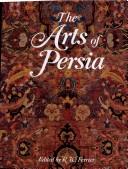
A multi-authored, comprehensive treatment of Persian art across all media and dynasties, serving as a capstone that ties together architecture, manuscripts, metalwork, and ceramics within one great regional tradition.
Discussion
Keep reading
Paths that share books, cover the same subject, or open a related topic.