Insurance adjusting: the reading path into claims and licensure
This curriculum takes a beginner from zero insurance knowledge through the core skills of property claims, damage estimating, and professional licensing. Each stage builds on the last: you first learn how insurance works conceptually, then how claims are handled procedurally, then how to estimate and document damage with industry tools, and finally how to prepare for your state licensing exam and launch a career as an independent adjuster.
Foundations of Insurance
BeginnerUnderstand how insurance works as a system — policies, premiums, risk, and the insurer-insured relationship — so that claims concepts have a solid foundation to rest on.
▸ Study plan for this stage
Pace: 4–5 weeks, ~25–30 pages/day. Start with "How Insurance Works" (weeks 1–2, approximately 200 pages), then move to the P&C License Exam Study Guide (weeks 3–5, focusing on foundational chapters covering policy structure, underwriting, and risk assessment).
- Insurance as a risk-pooling mechanism: how insurers aggregate risk across many policyholders to make losses predictable and manageable
- The insurance contract: policy structure, declarations, insuring agreements, conditions, and exclusions as the legal foundation for claims
- Premiums and pricing: how insurers calculate rates based on risk assessment, loss history, and actuarial data
- The insurer-insured relationship: duties, obligations, and the principle of good faith and fair dealing
- Types of coverage in property and casualty insurance: understanding what is covered, what is excluded, and policy limits
- Risk assessment and underwriting: how insurers evaluate applicants and determine insurability before issuing policies
- Loss and claims fundamentals: the distinction between covered losses and excluded losses, and how claims trigger policy obligations
- Deductibles, limits, and coinsurance: how these policy features shape the financial relationship between insurer and insured
- Explain how insurance functions as a risk-pooling system and why this model allows insurers to remain solvent despite individual large claims.
- What are the main sections of an insurance policy, and what role does each section play in defining coverage?
- How do insurers determine premiums, and what factors influence the price of a policy?
- What is the principle of good faith and fair dealing, and how does it apply to both insurers and policyholders?
- Distinguish between a covered loss and an excluded loss, and explain how policy language determines this distinction.
- What is the underwriting process, and why is it critical before a policy is issued?
- How do deductibles, policy limits, and coinsurance affect the financial responsibility of both the insurer and the insured?
- Read a sample homeowners or auto insurance policy (available free online from major insurers) and annotate the declarations page, insuring agreements, and exclusions; identify what is covered and what is not.
- Create a one-page summary of how a specific risk (e.g., house fire, car accident) would be evaluated by an underwriter using the underwriting criteria from the P&C Study Guide.
- Work through 10–15 practice exam questions from the P&C License Exam Study Guide focused on policy structure and coverage; review explanations for any incorrect answers.
- Write a short case study (1–2 pages): given a hypothetical claim scenario, determine whether the loss is covered based on policy language, and explain your reasoning using concepts from both books.
- Create a visual diagram or flowchart showing how a premium is calculated from risk assessment through final pricing, incorporating factors discussed in 'How Insurance Works.'
- Compare two different insurance policies (e.g., basic vs. comprehensive homeowners coverage) and create a table showing differences in coverage, limits, deductibles, and premiums; reflect on why an insurer might charge more for one.
Next up: This foundation in how insurance systems, policies, and risk work prepares you to understand the claims adjustment process—you will now know what a policy actually promises, why certain losses are covered, and how to evaluate whether a claim is valid and what the insurer owes.
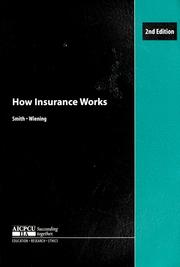
A plain-language primer on insurance principles, policy structure, and industry roles; reading this first gives you the vocabulary every later book assumes you already have.

Introduces the legal and contractual framework of P&C insurance — the exact domain of adjusting — and begins orienting you toward the licensing requirement from day one.
Claims Handling Fundamentals
BeginnerLearn the end-to-end claims process: how a claim is opened, investigated, documented, negotiated, and closed, and what an adjuster's legal and ethical duties are.
▸ Study plan for this stage
Pace: 4–5 weeks, ~25–30 pages/day. Start with "The Claims Environment" (1–2 weeks), then move to "Property Loss Adjusting" (2–3 weeks). Allocate 2–3 days per week for review, exercises, and case study work.
- The claims environment: regulatory framework, stakeholders (insurers, adjusters, claimants, attorneys), and market dynamics that shape how claims are handled
- The claims process lifecycle: opening, investigation, documentation, valuation, negotiation, and closure—and the adjuster's role at each stage
- Legal duties of adjusters: fiduciary obligations, duty of good faith and fair dealing, compliance with state insurance regulations, and avoidance of conflicts of interest
- Ethical standards for adjusters: impartiality, honesty, confidentiality, and professional conduct in interactions with claimants and other parties
- Property loss investigation techniques: site inspection, damage assessment, evidence collection, and documentation methods specific to property claims
- Negotiation and settlement: how adjusters communicate valuations, handle disputes, and reach fair settlements within policy limits
- Claims documentation: creating clear, thorough, legally defensible records that support claim decisions and protect both insurer and adjuster
- What are the key stakeholders in the claims environment, and what are their competing interests?
- Walk through the complete claims lifecycle from opening to closure—what happens at each stage, and what is the adjuster's responsibility?
- What are the legal duties of an insurance adjuster, and how do they differ from the duties of other insurance professionals?
- Describe the ethical obligations of an adjuster when investigating a property loss claim. How do you maintain impartiality when pressured by either the insurer or the claimant?
- What are the essential steps in investigating and documenting a property loss? Why is thorough documentation critical?
- How should an adjuster approach negotiation and settlement discussions? What strategies help reach fair outcomes?
- What common pitfalls or conflicts of interest should adjusters avoid, and how do regulations protect against them?
- Read and annotate 'The Claims Environment' by Markham, identifying the regulatory bodies, key laws, and market forces that affect claims handling. Create a one-page summary of the claims environment in your state or region.
- Develop a detailed flowchart of the complete claims process (opening through closure) based on Markham's 'Property Loss Adjusting.' Label each stage with the adjuster's key responsibilities and decision points.
- Conduct a mock property loss inspection: photograph a room or outdoor area, document damage, estimate repair costs using online resources, and write a formal inspection report following Markham's documentation standards.
- Role-play a claims negotiation: work with a peer—one plays the adjuster, one plays the claimant—and practice presenting a valuation, responding to objections, and reaching settlement. Debrief on communication and ethical boundaries.
- Create a one-page reference guide on the legal and ethical duties of adjusters, citing specific sections or principles from Markham's books. Include real-world scenarios where duty conflicts might arise.
- Analyze a sample claims file (real or hypothetical): review the investigation notes, damage photos, valuation, and settlement. Identify what was done well and what could have been improved based on Markham's best practices.
- Write a short case study (2–3 pages) describing a property loss claim from start to finish, incorporating investigation findings, negotiation challenges, and final settlement. Ensure all documentation and ethical considerations are addressed.
Next up: This stage establishes the foundational knowledge of how claims are processed, what adjusters must do legally and ethically, and how property losses are investigated and settled—preparing you to specialize in specific claim types (e.g., homeowners, commercial, auto) and advanced techniques in the next stage.

A widely used insurance-education text that walks through the claims lifecycle, coverage analysis, and the adjuster's role; it is the canonical starting point for claims study.

Builds directly on The Claims Environment by focusing specifically on property losses — the core of most adjusting work — covering investigation, valuation, and settlement.
Damage Estimating and Xactimate
IntermediateDevelop hands-on estimating skills for structural and contents damage, and learn to produce professional-grade estimates using the Xactimate platform used by nearly every carrier.
▸ Study plan for this stage
Pace: 4–5 weeks, ~25–30 pages/day, with 2–3 dedicated practice days per week for code reference exercises
- Building code hierarchy and how codes apply to structural damage assessment and repair estimates
- Foundation systems, framing materials, and load-bearing requirements relevant to damage evaluation
- Roof systems, wall assemblies, and weatherproofing standards that determine repair scope and costs
- Electrical, plumbing, and mechanical code requirements that impact estimate completeness
- Code-compliant repair vs. pre-loss condition: when upgrades are required and how to document them in estimates
- Using the IBC and local amendments to justify repair methods and material specifications in Xactimate
- Common code violations and deficiencies that emerge during damage inspection and their cost implications
- How do building codes determine whether a damaged structure requires repair, replacement, or code upgrade, and how does this affect your estimate scope?
- What are the key differences between structural framing requirements for single-family vs. multi-family buildings, and how would this influence damage estimates?
- When does code compliance require you to upgrade undamaged portions of a structure during repairs, and how do you document this in an estimate?
- How would you use the Contractor's Guide to justify specific repair methods or material choices to a carrier when code compliance is at stake?
- What electrical, plumbing, and mechanical code requirements commonly affect the scope and cost of damage estimates?
- How do roof and wall assembly codes impact your assessment of weather damage and the completeness of your estimate?
- Select 5 common damage scenarios (e.g., roof damage, water intrusion, foundation cracks) and research the applicable code sections in Hageman's guide; document which codes apply and why
- Create a reference sheet mapping damage types to relevant code sections—use this as a study aid and later as a field reference for estimate preparation
- Review 3 sample damage photos and identify code-related repair requirements (e.g., structural upgrades, flashing standards, electrical rework) that would affect estimate scope
- Compare a pre-loss and post-damage floor plan; identify which code requirements would trigger upgrades and estimate the cost impact of compliance
- Practice writing code-justified repair narratives for 4 different damage scenarios, explaining why specific methods or materials are required by code
- Conduct a mock inspection of a local building (with permission) and note code compliance issues that would affect a damage estimate if that building were damaged
Next up: Mastering building code fundamentals equips you to understand *why* specific repairs are required and *what* materials and methods are acceptable, which directly translates into accurate, defensible line-item estimates in Xactimate and ensures your estimates reflect both damage scope and code compliance.
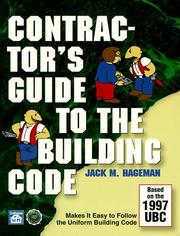
Adjusters must know building codes to write accurate repair estimates; this guide explains code requirements for residential construction in accessible language, preventing costly scope errors.
Discussion
Keep reading
Paths that share books, cover the same subject, or open a related topic.