Horse riding and equestrian: top books to learn to ride
This curriculum takes a complete beginner from their very first encounter with horses all the way through refined riding technique, classical horsemanship philosophy, and independent horse care. Each stage builds on the last — starting with safety and basic vocabulary, moving through seat and aids, then deepening into feel and partnership, and finally exploring the broader world of equestrian knowledge and horse health.
First Steps: Safety, Vocabulary & Horse Sense
BeginnerUnderstand horse behavior, establish safe ground manners, and build the foundational vocabulary needed to make sense of riding instruction.
▸ Study plan for this stage
Pace: 8–10 weeks, ~25–30 pages/day (approximately 2 weeks per book with overlap for review and practice)
- How horses perceive the world: vision, hearing, and instinctive reactions to fear and flight
- Equine body language and communication: recognizing stress signals, contentment, and behavioral intent
- Safe ground manners and handling techniques: leading, grooming, tying, and moving around a horse safely
- Basic horse anatomy and physiology relevant to handling and care: skeletal structure, gaits, and movement
- Foundational vocabulary: gaits, tack, stable facilities, and directional/positional terms used in riding instruction
- Establishing trust and respect through consistent, pressure-and-release training principles
- Daily care essentials: feeding, watering, grooming, and recognizing signs of health or distress
- How do horses' eyes and hearing differ from humans, and how does this affect their behavior and safety around them?
- What are the main stress signals a horse displays in its ears, tail, posture, and facial expression, and what do they indicate?
- What are the correct procedures for safely leading, tying, and grooming a horse, and why is each step important?
- What are the basic gaits of a horse, and how do you recognize them by sight and feel?
- What does 'pressure and release' mean, and how is it applied in ground training and handling?
- What are the essential daily care tasks for a horse, and what physical signs indicate a horse is healthy or in distress?
- Observe and document a horse's body language for 15–20 minutes in different contexts (calm, alert, stressed); identify ear position, tail carriage, and facial tension
- Practice leading a horse in hand through a figure-eight pattern, focusing on smooth transitions and responsive steering without pulling
- Groom a horse from head to tail, learning the location of major muscle groups and bones while noting the horse's reactions to different areas
- Study and sketch the horse skeleton and major muscle groups; label key anatomical landmarks referenced in your reading
- Create a flashcard set of 30–40 essential equestrian terms (e.g., withers, fetlock, canter, tack) with definitions and visual references
- Spend time in a stable or pasture observing at least three different horses; note individual personality differences and how each responds to human presence
- Practice tying a quick-release knot and safely securing a horse to a hitching post; practice untying under simulated 'spook' scenarios
Next up: This stage equips you with the mental framework and safety foundation to understand how horses think and communicate, and the vocabulary and ground skills to move confidently into the next stage, where you will learn the mechanics of mounting, basic seat position, and translating ground-based pressure-and-release principles into ridden aids.
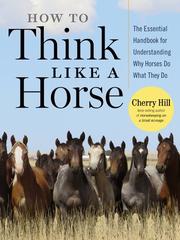
Before sitting in a saddle, a rider must understand how horses perceive the world. This book explains equine psychology and body language in plain language, making every later lesson safer and more intuitive.
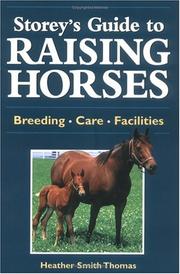
Provides a grounded overview of horse handling, basic care, and what owning or working around horses actually involves — essential context before focusing purely on riding.
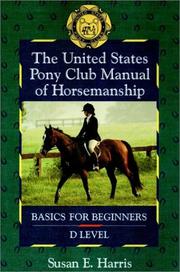
The gold-standard beginner's reference used by Pony Clubs worldwide. Covers tacking up, mounting, basic position, and stable management in a clear, illustrated format — the perfect first riding textbook.
In the Saddle: Seat, Position & the Basic Aids
BeginnerDevelop a balanced, independent seat and learn to apply leg, hand, and weight aids correctly at walk, trot, and canter.
▸ Study plan for this stage
Pace: 4–5 weeks, ~25–30 pages/day, with 2–3 days per week dedicated to practical saddle work
- Centered riding: using visualization and mental imagery to achieve balance and harmony with the horse
- The independent seat: developing core stability and deep hip flexor engagement to stay with the horse's motion without relying on reins
- The three basic aids (leg, hand, weight) and how they work together as a coordinated system, not in isolation
- Position and alignment: how your body's vertical line, hip angle, and lower leg placement affect the horse's movement and responsiveness
- Feel and proprioception: learning to sense what the horse is doing beneath you and adjusting your weight and aids accordingly
- Application of aids at walk, trot, and canter: understanding gait-specific timing and intensity for each pace
- The concept of 'riding from the inside out': using your core and seat to influence the horse rather than pulling on reins
- What is 'centered riding' and how does visualization help you achieve a more balanced, effective seat?
- Describe the independent seat: what does it feel like, and why is it essential before refining your use of the aids?
- How do the leg, hand, and weight aids work together as a system, and what happens when one aid is used without proper coordination?
- Explain the correct position and alignment for a balanced seat at all three gaits, and how deviations affect the horse's response
- What is proprioceptive awareness, and how do you develop it to feel what the horse is doing and adjust your aids in real time?
- How does the timing and intensity of your aids differ between walk, trot, and canter, and why?
- Visualization exercise: practice Sally Swift's centering techniques (e.g., imagining a plumb line through your body, visualizing energy flow) both off and on the horse to internalize balance
- Seat work at walk: ride without stirrups for 10–15 minutes to develop independent seat stability and feel the horse's back movement directly
- Leg aid isolation: practice applying a single leg aid at walk to move the horse's haunches sideways, focusing on timing and pressure rather than force
- Hand and rein sensitivity: perform transitions (walk–halt, walk–trot) using minimal rein contact, learning to feel the horse's mouth and respond to its balance
- Weight aid practice: at walk and trot, shift your weight subtly to one seat bone and observe how the horse shifts its weight in response
- Trot and canter transitions: execute multiple transitions at each gait, refining the timing of your leg and seat aids to achieve smooth, responsive changes
- Video or mirror analysis: record yourself riding or use a mirror to check your position against the key alignment points (vertical line, hip angle, lower leg) from both books
- Mounted breathing and relaxation: practice deep breathing and releasing tension in your shoulders, hips, and lower back while mounted to maintain the centered position
Next up: This stage establishes the foundation of a secure, independent seat and coordinated basic aids—essential prerequisites for the next stage, which will likely focus on refining transitions, collection, and more nuanced communication with the horse at higher levels of performance.
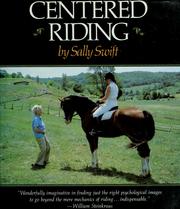
A beloved classic that uses imagery and body-awareness exercises to help beginners find balance and softness in the saddle. Reading this early prevents the tension and stiffness that plague new riders.
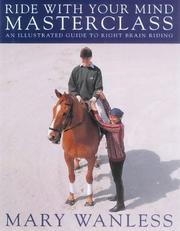
Wanless breaks down the biomechanics of the rider's body with unusual precision. After Centered Riding builds feel, this book explains the 'why' behind position and gives concrete tools for self-correction.
Partnership & Feel: Classical Horsemanship
IntermediateMove beyond mechanical aids toward a feel-based partnership with the horse, understanding classical training principles and how horses learn.
▸ Study plan for this stage
Pace: 8–10 weeks, ~25–35 pages/day (mix of dense classical theory and practical application). Podhajsky (2–3 weeks), Dorrance (2–3 weeks), Budiansky (2–3 weeks), with 1–2 weeks for integration and reflection.
- Classical training progression: the systematic development from basic obedience through collection, following Podhajsky's pyramid of training
- Feel-based communication: using subtle weight, seat, and leg cues instead of relying on mechanical force, as emphasized by Dorrance
- The horse's learning mechanisms: how horses perceive pressure, release, and reward; their herd instincts and prey psychology (Budiansky)
- Lightness and responsiveness: the goal of training is a horse that responds to minimal aids, not maximum control
- The rider's role as partner: understanding that the horse is a thinking, feeling animal with its own perspective and limitations
- Pressure and release as the fundamental language: timing and consistency of release as the primary teaching tool
- Classical principles applied to modern riding: translating 18th-century cavalry training into contemporary practice
- Observation and adaptation: reading the horse's behavior to adjust your approach rather than forcing a predetermined method
- What are the stages of Podhajsky's training pyramid, and how does each stage build toward collection and self-carriage?
- How does Bill Dorrance define 'feel,' and what is the relationship between feel and the timing of pressure and release?
- According to Budiansky, how do horses perceive and learn from pressure, and why is understanding their prey psychology essential to horsemanship?
- What is the difference between mechanical aids and feel-based communication, and why does Dorrance argue that feel-based riding produces a more responsive horse?
- How do classical training principles (as presented in Podhajsky) align with or differ from the feel-based approach Dorrance advocates?
- What role does the horse's herd behavior and natural instincts play in how it responds to the rider, and how should a rider account for this?
- Read Podhajsky's descriptions of each training level and map them onto your own horse's current stage of training; identify which exercises your horse needs to progress to the next level.
- Practice one Dorrance principle per week (e.g., 'feel through the reins,' 'weight in the seat,' 'leg without force') in a single session; journal the horse's response and your own awareness of subtle changes.
- Observe your horse's behavior in the field or paddock for 15–20 minutes without riding; note herd dynamics, flight responses, and natural movement patterns; relate these observations to Budiansky's descriptions of horse psychology.
- Record a video of yourself riding a familiar exercise before and after studying each book; review to identify where you are still using mechanical force versus feel-based cues.
- Conduct a 'feel audit': ride a simple walk-trot transition focusing only on seat and weight shift (no leg or rein); note how your horse responds and what you learn about its sensitivity.
- Interview or observe an experienced classical horsemanship instructor; ask them to explain how they apply Podhajsky's principles and Dorrance's feel-based approach in their own teaching and riding.
Next up: This stage establishes the philosophical and practical foundation for feel-based partnership, preparing you to explore advanced refinements in collection, specialized disciplines, or problem-solving with a horse that now understands subtle communication and trusts the rider as a thinking partner.
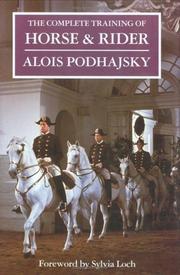
Written by the legendary director of the Spanish Riding School, this is the definitive classical text on progressive training. It bridges the gap between basic riding and true horsemanship.

Dorrance's philosophy of 'feel, timing, and balance' transforms how a rider thinks about communication with the horse — a perfect complement to the European classical tradition introduced by Podhajsky.
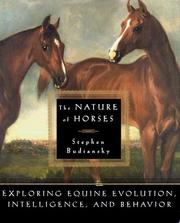
A science-based exploration of how horses think, learn, and perceive. At this stage, understanding learning theory deepens the rider's ability to train and communicate fairly and effectively.
Mastery & Care: Advanced Riding and Horse Health
ExpertRefine technique to an advanced level, understand the full training scale, and take confident responsibility for a horse's health and long-term wellbeing.
▸ Study plan for this stage
Pace: 8–10 weeks, ~40–50 pages/day (alternating between both books; ~2 weeks per book with overlapping review)
- The training scale as a progressive framework: rhythm, suppleness, contact, impulsion, straightness, and collection—and how each builds on the previous
- Harmony and throughness in dressage: achieving a horse that moves from behind with relaxed, connected power rather than force or tension
- Biomechanics of advanced movements: how the horse's body must be organized to perform pirouettes, piaffe, passage, and other haute école movements without strain
- Preventive health management: recognizing early signs of lameness, injury, and disease before they become serious problems
- Common equine health conditions and their treatment: colic, respiratory issues, lameness, skin conditions, and when to call a veterinarian versus manage at home
- Long-term soundness and conditioning: how training choices, farrier work, nutrition, and management directly impact a horse's health trajectory
- The rider's responsibility in horse welfare: understanding that advanced riding is inseparable from deep knowledge of your horse's physical and mental state
- Explain the training scale and why each component (rhythm, suppleness, contact, impulsion, straightness, collection) must be developed in order. How does skipping a step compromise a horse's long-term soundness?
- What does Zettl mean by 'harmony' and 'throughness' in dressage, and how do these principles differ from forcing a horse into a frame?
- Describe the biomechanical requirements for one advanced movement (e.g., pirouette, piaffe, or passage). What must the horse's body do, and what can go wrong if the foundation is weak?
- You notice your horse is slightly lame in the left front leg after a training session. Walk through the diagnostic steps you would take using the veterinary handbook: what do you observe, what do you check, and when do you call the vet?
- What are the three most common causes of colic in horses, and what immediate steps should you take if you suspect colic?
- How do farrier work, nutrition, and training load interact to support or undermine a horse's long-term soundness? Give a specific example.
- Your horse is performing well but seems tense and resistant in transitions. Using Zettl's principles, how would you diagnose whether this is a training issue, a physical problem, or both?
- Read and annotate the training scale section in 'Dressage in Harmony'; then video yourself riding and analyze your horse's movement against each criterion. Identify which stages are solid and which need refinement.
- Study one advanced movement (pirouette, piaffe, or passage) in detail from Zettl's book. Ride it (or observe a video of yourself/a skilled rider), and write a 1–2 page analysis of what you felt/saw and how it relates to the biomechanical principles described.
- Perform a full health assessment of your horse (or a horse you have regular access to): palpate for heat/swelling, check gait at walk/trot/canter, assess body condition, review vaccination/deworming records. Document findings and compare against the veterinary handbook's guidelines.
- Create a preventive health calendar for your horse for the next 12 months, including farrier visits, dental checks, vaccinations, deworming, and conditioning milestones. Reference the veterinary handbook's recommendations.
- Work through 2–3 case studies from the veterinary handbook (or create your own scenarios): given a set of symptoms, diagnose the likely condition, outline first-aid steps, and determine when professional help is needed.
- Ride a series of transitions (walk–trot, trot–canter, canter–walk) with a focus on maintaining rhythm and suppleness rather than speed or frame. Record yourself and evaluate against Zettl's harmony principles; adjust your aids and repeat.
- Interview or observe a veterinarian or experienced trainer discussing a horse's health or training issue. Ask how they integrate the training scale and health management into their decision-making.
- Design a 4–6 week training plan for a specific goal (e.g., improving collection, preparing for a competition, recovering from minor lameness). Justify each phase using both Zettl's principles and veterinary health guidelines.
Next up: This stage equips you with the technical mastery and health literacy to ride and manage horses at an advanced level; the next stage will likely deepen your ability to teach others, troubleshoot complex problems, or specialize in a particular discipline or aspect of horsemanship.

Zettl's masterwork on harmony between horse and rider addresses collection, impulsion, and the upper levels of training with warmth and depth — the ideal capstone for the riding journey.

A comprehensive, trusted reference for recognizing illness, managing injuries, and understanding equine health. Every serious equestrian needs this on their shelf to care responsibly for their horse.
Discussion
Keep reading
Paths that share books, cover the same subject, or open a related topic.