Best Books on Flamenco, in Reading Order
This curriculum takes a beginner from the emotional and cultural soul of flamenco all the way through its Andalusian history, Gypsy roots, the architecture of the palos and compás, and the technical demands of the guitar. Each stage builds the vocabulary and cultural intuition needed for the next, so that by the end the learner can engage with flamenco as both an insider and a serious student.
The Soul of Flamenco — First Encounters
BeginnerDevelop an emotional and cultural feel for what flamenco is: its duende, its Gypsy (Gitano) origins, and why cante (song) is its beating heart.
▸ Study plan for this stage
Pace: 4–5 weeks, ~25–30 pages/day. Week 1: "In Search of Duende" (Lorca's essay, ~40–60 pages). Weeks 2–5: "Flamenco: Gypsy Dance and Music from Andalusia" (Schreiner, ~200–250 pages), reading in thematic sections (history, cante, dance, instruments).
- Duende as the dark, spiritual force that distinguishes authentic flamenco from mere technical performance—Lorca's concept of the struggle between artist and material
- Gitano (Gypsy) identity and marginalization as the cultural crucible that shaped flamenco's raw emotional power and social meaning
- Cante (song) as the foundational art form and emotional core of flamenco, from which dance and guitar evolved
- The three pillars of flamenco: cante, baile (dance), and toque (guitar), and how they interact to create duende
- Flamenco as a living, evolving tradition rooted in Andalusian geography, history, and the blending of Moorish, Jewish, and Gypsy cultures
- The role of suffering, joy, and existential depth in flamenco aesthetics—why superficial technique cannot capture its essence
- Palos (song forms) as distinct emotional and rhythmic categories, each with its own character and historical lineage
- What does Lorca mean by 'duende,' and how does it differ from mere technical skill or 'angel' in artistic performance?
- How did Gitano marginalization and lived experience shape the emotional character and social function of flamenco?
- Why does Lorca argue that cante is the beating heart of flamenco, and what role do baile and toque play in relation to it?
- Name and describe at least three major palos (song forms) from Schreiner's account, and explain what emotional or historical character each carries.
- How do Moorish, Jewish, and Gypsy cultural influences appear in flamenco's music, rhythm, and themes according to Schreiner?
- What is the relationship between flamenco's origins in Andalusian poverty and marginalization, and its aesthetic emphasis on depth and authenticity?
- After reading Lorca's essay, write a 1–2 page reflection on a moment when you felt 'duende'—not necessarily in flamenco, but in any art form—and analyze what made it transcendent versus merely technically skilled.
- Listen to 3–4 recordings of different palos (e.g., soleá, seguiriya, alegrías) while reading Schreiner's descriptions of each. Note the emotional tone, rhythm, and lyrical themes; write brief notes on how the music embodies the palo's character.
- Create a visual timeline or mind map showing how Moorish, Jewish, and Gypsy cultures intersected in Andalusia and contributed specific elements to flamenco (instruments, rhythms, themes, vocal styles).
- Transcribe or paraphrase 2–3 flamenco lyrics (from recordings or Schreiner's examples) and analyze their themes: What do they reveal about Gitano experience, love, loss, or defiance?
- Watch a 10–15 minute video of an acclaimed flamenco cantaor (male singer) or cantaora (female singer) performing cante jondo (deep song). Observe and describe how the singer embodies duende—what physical, vocal, and emotional choices convey authenticity and depth?
- Interview or correspond with a flamenco practitioner (dancer, guitarist, or singer) about what duende means to them and how they cultivate it. Synthesize their answer with Lorca's and Schreiner's definitions.
Next up: This stage establishes the spiritual and cultural foundation of flamenco—its soul—preparing you to move into the next stage, where you will study the technical mastery, specific forms, and practical skills needed to perform or deeply understand flamenco's music and dance.
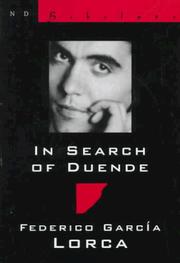
Lorca's poetic essays define the untranslatable spirit — duende — that animates flamenco. Reading this first gives the learner the essential aesthetic lens through which everything else is understood.

A broad, accessible introduction to flamenco's Gitano roots, its Andalusian geography, and its main art forms. It builds the cultural map a beginner needs before diving into technical detail.
History and Roots — Andalusia and the Gitanos
BeginnerUnderstand the deep historical forces — Moorish Andalusia, the Roma diaspora, and the mixing of Jewish, Arab, and Gypsy cultures — that gave birth to flamenco.
▸ Study plan for this stage
Pace: 4–5 weeks, ~25–30 pages/day. Start with Howson's historical narrative (2–3 weeks), then move to Lorca's essays and prose (1–2 weeks) for cultural and artistic interpretation.
- The role of Moorish Andalusia (711–1492) in establishing the cultural and musical foundations of flamenco through Arab, Berber, and Jewish influences
- The Gitano (Roma) diaspora into Andalusia and their integration with existing Andalusian populations, creating a hybrid identity and musical tradition
- The concept of 'cante jondo' (deep song) as an expression of suffering, displacement, and cultural fusion rooted in Gitano and Moorish experience
- The socioeconomic marginalization of Gitanos and lower-class Andalusians as a crucible for flamenco's emotional intensity and authenticity
- How Lorca's poetic interpretation of flamenco reveals the spiritual and existential dimensions of the tradition beyond mere historical facts
- The geographic specificity of Cadiz Bay and Andalusian cities as the birthplace and incubator of distinct flamenco styles
- The syncretism of Jewish, Arab, Gypsy, and Christian Spanish cultural elements in flamenco's music, dance, and lyrical content
- What were the major cultural and musical contributions of Moorish Andalusia to the eventual development of flamenco?
- How did the Gitano diaspora into Andalusia shape the identity and emotional character of flamenco music and dance?
- What does Lorca mean by 'cante jondo' (deep song), and how does it connect to the historical suffering and cultural mixing described in Howson?
- Why was the Cadiz Bay region and Andalusia specifically conducive to the birth of flamenco, according to Howson's historical account?
- How do Lorca's essays reframe or deepen your understanding of flamenco's origins beyond the historical narrative in Howson?
- What role did social marginalization and poverty play in shaping flamenco's aesthetic and emotional power?
- Create a timeline of key historical events (Moorish conquest, Reconquista, Gitano arrival, etc.) and annotate how each shaped flamenco's development according to Howson.
- Map the Cadiz Bay region and mark the cities and communities Howson identifies as flamenco epicenters; research what made each geographically or socially distinct.
- Read Lorca's 'Deep Song' essay aloud and identify 3–4 passages where he describes the emotional or spiritual essence of flamenco; journal on how these connect to Howson's historical details.
- Compile a list of cultural elements (musical scales, poetic forms, dance movements, themes) that Howson and Lorca attribute to Moorish, Jewish, Arab, and Gitano sources; create a visual chart showing their synthesis.
- Listen to recordings of traditional flamenco styles (palos) mentioned in the books (e.g., soleá, siguiriya) while reading relevant passages; note which historical influences you can hear.
- Write a 500-word reflection comparing Howson's objective historical approach with Lorca's poetic, spiritual interpretation of the same cultural phenomenon.
Next up: This stage establishes the historical and cultural DNA of flamenco, preparing you to explore in the next stage how these roots were formally codified, commercialized, and transformed into the structured art form and performance tradition we recognize today.
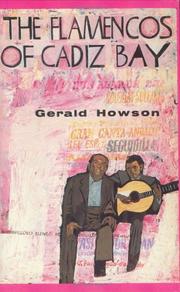
A vivid, on-the-ground account of living among flamenco artists in the cradle region of Cádiz. It humanizes the Gitano community and shows how cante was lived, not just performed.
Lorca's lecture on cante jondo (deep song) traces flamenco's Moorish and Gypsy ancestry with poetic precision, deepening the historical picture begun in Stage 1.
The Palos and Compás — Structure and Form
IntermediateLearn to identify and feel the major palos (forms such as soleá, bulerías, seguiriyas, fandango) and internalize their rhythmic cycles (compás), the backbone of all flamenco performance.
▸ Study plan for this stage
Pace: 4–5 weeks, ~25–30 pages/day, focusing on chapters covering palos and compás structures
- The concept of compás as the rhythmic foundation and heartbeat of flamenco
- The structural characteristics of the major palos: soleá, bulerías, seguiriyas, and fandango (including their origins and emotional character)
- How to count and feel the compás cycles of each palo (e.g., 12-beat cycles in soleá and bulerías)
- The relationship between cante (song), guitarra (guitar), and baile (dance) within each palo's compás
- Regional and historical variations within the same palo and how they affect rhythmic interpretation
- The role of the palmas (handclapping) in marking and reinforcing compás
- How palos relate to each other through shared or contrasting rhythmic patterns
- What is compás and why is it considered the backbone of flamenco performance?
- Can you identify and describe the key structural differences between soleá, bulerías, seguiriyas, and fandango?
- How do you count the compás cycle for soleá and bulerías, and where do the accents fall?
- What is the relationship between the guitar's rasgueado patterns and the underlying compás of a palo?
- How does the emotional or expressive character of each major palo relate to its rhythmic structure?
- What role do palmas play in maintaining and communicating the compás to other performers?
- Listen to and transcribe the compás of soleá, bulerías, seguiriyas, and fandango recordings; mark the beats and accents by hand
- Practice clapping the palmas patterns for each of the four major palos in isolation, then alongside recordings
- Watch video performances of each palo and identify where the cante, guitarra, and baile align with the compás cycle
- Sing or hum the melodic contour of a simple soleá or fandango verse while internally counting the compás
- Create a visual chart comparing the compás cycles, beat counts, and accent patterns of all four palos side by side
- Attend or watch a live flamenco performance (in person or recorded) and track which palo is being performed and when the compás shifts
Next up: This stage equips you with the rhythmic and structural literacy needed to move into the next level, where you will explore how individual artists interpret and embellish these palos, and how to recognize the subtle variations that distinguish regional styles and personal artistic voices.

Pohren's classic reference systematically maps the palos, their emotional registers, and their compás structures. It is the standard English-language guide to flamenco's formal architecture.
The Guitar — Technique and Tradition
IntermediateUnderstand the technical language of the flamenco guitar — rasgueado, picado, alzapúa, falsetas — and how the instrument's role differs from classical guitar, both historically and in practice.
▸ Study plan for this stage
Pace: 6–8 weeks total: Weeks 1–3 on Pohren's "The Art of Flamenco Guitar" (~20–25 pages/day, reading slowly and annotating technical vocabulary); Weeks 4–7 on Juan Martín's "Flamenco Guitar: Basic Techniques" (~15–20 pages/day, pausing frequently to attempt each technique at the instrument or via video re
- Rasgueado — the multi-finger strumming technique unique to flamenco, its variants (continuous, single-stroke, backhand), and how Pohren contextualizes it within the compás framework
- Picado — single-note scalar technique executed with alternating index and middle fingers, and Juan Martín's step-by-step breakdown of hand position and nail angle
- Alzapúa — the thumb technique combining downstrokes, upstrokes, and planting, and its role in melodic and rhythmic passages as described by Juan Martín
- Falsetas — composed melodic interludes within a palo; how Pohren distinguishes personal falsetas as a marker of a guitarist's artistic identity
- The flamenco guitar vs. the classical guitar: differences in construction (lower action, tap plate/golpe guard, lighter build), tuning conventions, and playing posture as Pohren outlines them
- Golpe — the percussive tap on the soundboard and its rhythmic function within compás, introduced by Juan Martín as an inseparable part of technique
- The guitarist's supporting role: how Pohren frames the historical relationship between the guitarist, the singer (cantaor), and the dancer (bailaor), and why technical virtuosity is always subordinate to duende and compás
- Tonal aesthetics: the dry, percussive, attack-forward sound ideal of flamenco guitar versus the sustained, legato ideal of classical guitar, and how technique choices in both books serve that sound
- According to Pohren, how did the flamenco guitar's role evolve from a purely accompanying instrument to one capable of solo performance, and what tensions does that evolution create?
- What specific hand-position and nail-care guidance does Juan Martín give for picado, and why does he argue these physical details are non-negotiable for authentic flamenco tone?
- How does Pohren define a falseta, and why does he treat a guitarist's personal collection of falsetas as an expression of artistic identity rather than mere technical repertoire?
- Describe the mechanical difference between alzapúa and a standard classical thumb rest-stroke (apoyando) as Juan Martín explains it — what makes alzapúa distinctively flamenco?
- Both Pohren and Juan Martín address the relationship between technique and compás. How do their perspectives complement or differ from each other?
- What construction features of the flamenco guitar — as described by Pohren — directly enable or necessitate the techniques Juan Martín teaches, and how do those features separate it from a classical instrument?
- Technique log: After each Juan Martín chapter introducing a new technique (rasgueado, picado, alzapúa, golpe), write a one-paragraph plain-English description of the mechanics in your own words before touching an instrument — this forces active comprehension of his written instructions.
- Vocabulary flashcard deck: As you read Pohren, extract every Spanish technical term (falseta, compás, palo, duende, golpe, etc.), write Pohren's own definition on the back, and review the deck daily throughout the stage.
- Comparative listening journal: For each technique covered in Juan Martín, find a recorded performance (e.g., Paco de Lucía, Sabicas, or Serranito) and timestamp at least two moments where you can aurally identify that technique; note whether the execution matches Juan Martín's description.
- Falseta mapping exercise: Using Pohren's discussion of falsetas as a guide, transcribe or locate the notation for one short falseta from Juan Martín's book, label every technique it employs (picado runs, alzapúa passages, rasgueado bursts, golpe taps), and annotate how each serves the compás.
- Contrast essay (500 words): Drawing exclusively from Pohren's historical and aesthetic arguments, write a structured comparison of the flamenco guitarist's role versus the classical guitarist's role — covering instrument construction, performance context, and relationship to other performers.
- Cross-book synthesis: At the end of Week 8, create a one-page concept map linking Pohren's historical/aesthetic framework to Juan Martín's technical instructions — draw explicit arrows showing how each technique Juan Martín teaches fulfills a function Pohren describes (e.g., rasgueado → rhythmic drive → serving the bailaor).
Next up: By internalizing the technical vocabulary and the guitarist's historical role established in these two books, the reader is now equipped to engage with the palos themselves — the distinct song forms of flamenco — understanding not just what the guitar plays, but why it plays it that way within each form's unique compás and emotional character.
Pohren's companion volume focuses entirely on the guitar, covering technique, the great guitarists, and how the instrument serves cante and baile. It is the natural next step after his overview of the palos.
Juan Martín's method bridges theory and practice, giving the learner concrete technical grounding in the right-hand techniques and rhythmic patterns that define the flamenco guitar sound.
Mastery and Synthesis — Scholarship and Living Tradition
ExpertEngage with flamenco as a living, evolving art form — understanding its 20th-century transformations, its greatest cantaores and guitarists, and the ongoing tension between purity and innovation.
▸ Study plan for this stage
Pace: 8–10 weeks total: Weeks 1–5 cover "Lives and Legends of Flamenco" by Pohren (~20–25 pages/day, reading biographical entries thematically rather than rushing); Weeks 6–10 cover "Flamenco: From Its Origins to Our Days" by Vega (~15–20 pages/day, pausing to listen to referenced artists and palos before
- The biographical tradition in flamenco: how the lives of legendary cantaores, guitarists, and bailaores like El Fillo, Silverio Franconetti, and Paco de Lucía shaped the art's identity, as documented by Pohren
- The concept of 'duende' as lived experience — Pohren's portraits reveal how flamenco masters embodied this ineffable quality through personal suffering, obsession, and genius
- Generational transmission and the 'school' system: how flamenco knowledge passed from master to student across dynasties (e.g., the Ortega, Montoya, and Habichuela families) as traced in both books
- The tension between purismo (jondo orthodoxy) and innovation (nuevo flamenco): Vega's historical arc shows how each era redefined authenticity, from the café cantante era to the tablaos to fusion experiments
- The 20th-century institutionalization of flamenco: competitions (Concurso de Cante Jondo 1922), the role of intellectuals like Falla and Lorca, and how these events canonized certain forms while marginalizing others
- Flamenco as a living, contested tradition: Vega's 'from origins to our days' framework demonstrates that every generation inherits a debate — not a fixed canon — about what flamenco is
- The guitar's evolution from accompaniment to solo art form: Pohren's profiles of guitarists illuminate how figures like Ramón Montoya and Sabicas elevated the instrument's status
- Gitano vs. non-Gitano contributions: both authors engage, with varying degrees of nuance, the ethnic and cultural politics embedded in claims of flamenco authenticity
- After reading Pohren's biographical profiles, can you describe at least three distinct 'lineages' of flamenco artists and explain how each lineage shaped a particular palo or performance style?
- How does Pohren's portrait of a specific cantaor (e.g., Silverio Franconetti or Antonio Mairena) illustrate the broader tension between innovation and tradition that runs through both books?
- According to Vega's historical framework, what were the two or three most transformative moments in flamenco's 20th-century evolution, and what forces — social, political, or artistic — drove each shift?
- How do Pohren and Vega differ in their approaches to flamenco history — one biographical, one chronological — and what does each method reveal that the other cannot?
- What role did non-performance institutions (competitions, intellectuals, recording technology) play in shaping flamenco's canon, as described by Vega?
- In what ways do both books suggest that flamenco's 'purity' is always a retrospective construction, and what implications does this have for how a beginner should listen to contemporary flamenco?
- Build a 'Family Tree of Flamenco Artists' using Pohren's biographical entries: map at least 10 artists by era, palo specialization, and teacher–student relationships, then annotate each node with one defining artistic trait Pohren highlights
- Curated listening journal: for every major artist profiled in Pohren, find one recording (YouTube, Spotify, or archive.org) and write 3–5 sentences connecting what you hear to Pohren's written description of that artist's style or personality
- Timeline exercise using Vega: construct a visual timeline of flamenco history from the 18th century to the book's present day, marking at least 8 key events or turning points Vega identifies, and note whether each represents a moment of 'purification' or 'innovation'
- Comparative close-reading: choose one palo (e.g., soleá, siguiriyas, or bulería) and compile every passage in both Pohren and Vega that mentions it — then write a one-page synthesis of how that palo's history and key interpreters are portrayed across both books
- Debate preparation: using evidence from both books, write a structured one-page argument for EACH side of the question 'Is flamenco fusion a betrayal or a continuation of tradition?' — forcing yourself to steelman both the purista and the innovator positions
- Reflection essay (500–700 words): now that you have completed both books, write a personal response to the question 'What does it mean for flamenco to be a living tradition?' — drawing on at least one biographical example from Pohren and one historical argument from Vega
Next up: By grounding the reader in the lives of real masters and the sweep of flamenco's historical transformations, this stage builds the critical and cultural vocabulary needed to engage with more specialized or contemporary scholarship — whether that means diving into ethnomusicological analysis, regional flamenco styles, or firsthand experience through classes and live performance.
Pohren's biographical dictionary of the great flamenco artists — from Silverio Franconetti to Camarón de la Isla — gives the learner a rich human narrative to anchor everything studied so far.
Discussion
Keep reading
Paths that share books, cover the same subject, or open a related topic.