Country music: the best books to learn its story and songcraft, in order
This curriculum traces country music from its Appalachian and blues roots through the Nashville Sound, outlaw era, and modern crossover, building knowledge stage by stage. Each stage deepens the reader's grasp of history, key figures, and cultural meaning before moving to more analytical and specialized territory. By the end, the reader will have a rich, layered understanding of country music as both an art form and a living cultural force.
Roots & Origins
BeginnerUnderstand where country music came from — its folk, blues, and Appalachian roots — and establish a shared vocabulary for the journey ahead.
▸ Study plan for this stage
Pace: 4–5 weeks, ~40–50 pages/day (approximately 280–350 pages total across both books)
- Country music emerged from a fusion of Anglo-Celtic folk traditions, African American blues, and Appalachian working-class culture in the early 20th century
- The role of radio, particularly the Grand Ole Opry (founded 1925), in democratizing and commercializing country music
- Key regional styles and their origins: Appalachian string band music, Texas swing, honky-tonk, and bluegrass as distinct but interconnected traditions
- The Carter Family's pioneering role as recording artists and cultural ambassadors who shaped country music's sound and subject matter
- How economic hardship, migration, and social displacement drove both the creation and popularity of country music
- The distinction between 'hillbilly' music (early commercial term) and country music as a genre identity
- The influence of folk ballads, work songs, and oral storytelling traditions on country songwriting and themes
- What cultural and musical traditions converged to create country music, and how did each contribute distinct elements?
- How did radio technology and venues like the Grand Ole Opry transform country music from regional folk practice into a national commercial industry?
- Who were the Carter Family and why are they considered foundational to country music's development and identity?
- What were the major regional styles of early country music, and what geographical or cultural factors shaped each one?
- How did economic conditions and social migration patterns in early 20th-century America influence the themes and popularity of country music?
- What is the difference between the terms 'hillbilly music' and 'country music,' and what does this shift in terminology reveal about the genre's evolution?
- Create a timeline of country music's origins (1900–1930) marking key events, venues, and artists from both books; annotate with which cultural traditions (folk, blues, Appalachian) each represents
- Listen to 3–4 recordings mentioned in the books (e.g., early Carter Family recordings, string band music) and write a 1-page analysis of how you hear folk, blues, and Appalachian elements in each
- Map the regional styles of early country music (Appalachian, Texas, etc.) on a U.S. map and research how geography, migration patterns, and local industries shaped each style
- Write a 2–3 page essay: 'How did the Carter Family's recordings and public image establish the template for country music as a commercial and cultural form?'
- Conduct a comparative listening exercise: find a traditional Anglo-Celtic folk song, an African American blues song, and an early country recording; identify specific musical elements (instrumentation, vocal style, lyrical themes) that appear across genres
- Interview someone familiar with country music (or research online) about what 'roots' they associate with the genre; compare their understanding to what you learned from Malone and Zwonitzer
Next up: Understanding country music's roots in folk, blues, and Appalachian traditions—and the role of radio and recording in commercializing it—establishes the foundation for examining how individual artists, regional movements, and stylistic innovations shaped the genre's development through the mid-20th century.
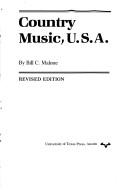
The definitive scholarly yet accessible history of country music from its origins to the modern era — the essential first read that maps the entire landscape.

Tells the story of the Carter Family, country music's founding dynasty, grounding abstract history in vivid human narrative and establishing the genre's folk and Appalachian DNA.
Icons & the Nashville Sound
BeginnerMeet the towering individual artists who shaped country music's golden age and understand how Nashville became the genre's commercial and creative capital.
▸ Study plan for this stage
Pace: 4–5 weeks, ~40–50 pages/day (approximately 2–3 weeks per memoir)
- Johnny Cash's role as a bridge between traditional country and mainstream pop culture, and his use of music as social commentary
- The Nashville Sound's production techniques and how they commercialized country music for broader audiences
- How personal hardship and authenticity became the foundation of iconic country narratives (Cash's addiction struggles, Lynn's poverty and gender barriers)
- The role of women in country music's golden age and Loretta Lynn's groundbreaking approach to songwriting about female experience
- The relationship between an artist's life story and their commercial success in country music
- How both Cash and Lynn leveraged their working-class origins as core to their artistic identity and appeal
- How did Johnny Cash's personal struggles with addiction and his relationship with June Carter influence both his music and his public image?
- What specific production and marketing strategies made the Nashville Sound commercially successful, and how did Cash and Lynn contribute to or resist these approaches?
- How did Loretta Lynn's songwriting address themes that were considered taboo or unconventional for women in country music at the time?
- What role did authenticity and working-class identity play in making both Cash and Lynn iconic figures rather than just successful performers?
- How did Cash and Lynn each navigate the tension between artistic integrity and commercial pressures in Nashville during the golden age?
- What were the key differences in how Cash and Lynn built their careers, and what does this reveal about gender dynamics in the country music industry?
- Create a timeline of major events in both memoirs (arrests, recordings, personal crises, career breakthroughs) and identify how each shaped their artistic output
- Listen to 3–4 signature songs from each artist while reading relevant passages; write brief reflections on how the memoir passages illuminate the song's meaning or context
- Write a comparative character sketch (500–750 words) analyzing how Cash and Lynn each used their working-class backgrounds as creative fuel
- Research and watch one live performance or interview from each artist (from the 1960s–70s era); note how their public personas align with or diverge from their memoir accounts
- Create a 'Nashville Sound' production notes document: list the production techniques mentioned in the memoirs and explain how they made country music more commercially viable
- Write a mock interview (Q&A format) where you ask Cash and Lynn parallel questions about fame, authenticity, and artistic compromise—answer as each would based on their memoir
Next up: These two memoirs establish the individual genius and personal mythology behind country music's icons, preparing you to explore how the Nashville Sound as a system and business model shaped an entire generation of artists and created the infrastructure that defined the genre's commercial dominance.
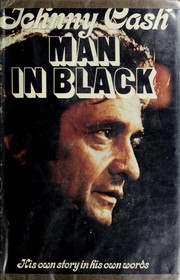
Cash's own autobiography is a riveting first-person account of country music's mid-century world, introducing the reader to Nashville, Sun Records, and the outlaw spirit from the inside.
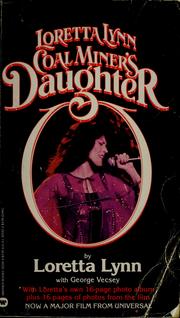
Lynn's memoir illuminates the working-class roots and gender dynamics of country music, offering a crucial counterpoint to Cash's story and broadening the picture of Nashville's golden era.
Rebels, Outlaws & Honky-Tonk
IntermediateTrace the outlaw movement and honky-tonk tradition that pushed back against the polished Nashville Sound, and understand how artists like Hank Williams and Willie Nelson redefined authenticity.
▸ Study plan for this stage
Pace: 6–7 weeks, ~40–50 pages/day. Week 1–2: Escott's Hank Williams biography (approx. 400 pages). Week 3–4: Patoski's Willie Nelson biography (approx. 500 pages). Week 5–7: Review, synthesis, and exercises.
- Hank Williams as the archetype of raw authenticity: how his personal struggles, musical innovation, and defiance of industry polish made him a template for outlaw country
- The Nashville Sound's dominance and its limitations: understanding why polished, orchestrated production alienated artists seeking genuine expression
- Willie Nelson's reinvention and resistance: how Nelson's songwriting, Texas roots, and later career moves (Red Headed Stranger, outlaw collaborations) positioned him as the bridge between traditional honky-tonk and the outlaw movement
- Honky-tonk tradition as rebellion: the working-class ethos, themes of heartbreak and vice, and acoustic instrumentation that grounded country in lived experience rather than commercial appeal
- The role of personal authenticity in redefining country credibility: how artists' life stories, struggles with addiction, and refusal to conform became markers of legitimacy in the genre
- The geographic and cultural tensions: how Texas, Nashville, and the road shaped competing visions of what country music should be
- The business and artistic cost of authenticity: understanding the commercial risks and personal toll of resisting industry pressure
- How did Hank Williams' personal struggles and unconventional behavior become inseparable from his musical authenticity, and what made him a model for later outlaw artists?
- What was the Nashville Sound, and why did artists like Willie Nelson and others view it as a threat to country music's authenticity?
- Trace Willie Nelson's career arc from Nashville songwriter to outlaw icon: what key decisions and albums (especially Red Headed Stranger) marked his break from industry conformity?
- How did the honky-tonk tradition—its themes, instrumentation, and working-class ethos—provide the foundation for the outlaw movement's critique of polished country?
- What role did geography (Texas, Nashville, the road) play in shaping different philosophies of country authenticity in Hank Williams' and Willie Nelson's careers?
- How did Hank Williams and Willie Nelson each define and defend 'authenticity' in country music, and what were the personal and commercial consequences of their choices?
- Create a timeline comparing Hank Williams' and Willie Nelson's careers, marking key albums, personal crises, and industry conflicts. Annotate moments where each artist resisted or conformed to Nashville expectations.
- Listen to a curated playlist spanning both artists' work (e.g., Hank's 'I'm So Lonesome I Could Cry' and 'Jambalaya,' Willie's early Nashville recordings vs. Red Headed Stranger). Write brief reflections on how production, instrumentation, and vocal delivery differ and what each conveys about authenticity.
- Write a comparative character study (1,500–2,000 words) analyzing how Hank Williams' and Willie Nelson's personal demons (addiction, infidelity, restlessness) shaped their music and public personas. Use specific anecdotes from both biographies.
- Research and summarize 3–4 key Nashville Sound recordings (e.g., Patsy Cline, Jim Reeves) and contrast them with honky-tonk or outlaw recordings. Identify production choices and explain why artists might have rebelled against this approach.
- Interview or survey 2–3 country music fans or musicians about what 'authenticity' means in country music today. Compare their answers to the definitions implicit in Escott's and Patoski's accounts of Hank and Willie.
- Create an annotated discography of Willie Nelson's albums from the 1960s through the 1980s, noting which ones Patoski emphasizes as pivotal to his outlaw identity and why. Include production notes and collaborators.
Next up: This stage establishes the outlaw movement's philosophical and personal foundations, preparing you to explore how that rebellion crystallized into a full genre movement and influenced subsequent generations of country artists who inherited and transformed these ideals of authenticity.

The authoritative biography of country music's most mythic figure; reading it now, with historical foundations in place, reveals how Williams set the template for every rebel who followed.
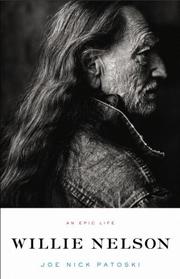
A sweeping biography that doubles as a history of the outlaw movement, showing how Nelson and his peers dismantled Nashville conventions and expanded country's boundaries.
Songwriting, Craft & the Business
IntermediateGo behind the songs to understand how country music is written, sold, and sustained — gaining insight into Music Row, the craft of songwriting, and the industry machinery.
▸ Study plan for this stage
Pace: 4–5 weeks, ~40–50 pages/day (approximately 280–350 pages total)
- The role of Music Row in Nashville as the commercial and creative hub of country music production
- How country songwriting formulas balance authenticity with commercial appeal
- The relationship between songwriters, publishers, producers, and recording artists in the Nashville system
- The economics of songwriting: royalties, publishing rights, and how songwriters earn income
- The craft elements that make country songs memorable and radio-friendly (hooks, story structure, emotional resonance)
- The tension between artistic integrity and commercial viability in country music
- How the industry discovers, develops, and markets country music talent
- What is Music Row and what role does it play in the country music industry?
- How do country songwriters balance the need to tell authentic stories with the commercial demands of radio and the market?
- What are the key players in the Nashville songwriting ecosystem, and how do they interact?
- How do songwriters earn money, and what is the significance of publishing rights in their income?
- What specific craft techniques do successful country songs employ to become hits?
- How has the business model of country music songwriting evolved, and what pressures do modern songwriters face?
- Create a detailed breakdown of 3–5 country songs from the book's era, identifying their story structure, emotional hooks, and commercial elements
- Research and map out the relationships between a specific country artist and their songwriters/producers mentioned in the book; trace how a song moved from writing to recording to radio
- Write a short country song (8–12 lines) using the formulas and techniques Leamer describes, then analyze how your song balances authenticity with commercial appeal
- Conduct interviews or research on 2–3 modern country songwriters to see how the Music Row model described in the book has changed or persisted
- Create a case study of one successful country song's journey: from initial concept through publishing, recording, and chart success
- Diagram the financial flow of royalties for a country song, showing how money moves between songwriter, publisher, label, and radio
Next up: Understanding the mechanics of songwriting, publishing, and the Nashville industry system prepares you to examine how individual artists have navigated or reshaped these structures, and how country music's themes and sounds have evolved in response to both industry pressures and cultural change.
A richly reported look at Nashville's music industry in the 1990s boom, showing how commerce and artistry collide and building on the craft knowledge introduced by Howard.
Culture, Identity & Country's Future
ExpertAnalyze country music's deeper cultural meanings — race, class, gender, politics, and regional identity — and assess where the genre stands today and where it is heading.
▸ Study plan for this stage
Pace: 4–5 weeks, ~40–50 pages/day (approximately 280–350 pages total)
- Country music as a mirror of American identity and regional consciousness, particularly how it reflects working-class and rural experiences
- The intersection of race, class, and gender in country music's history and contemporary landscape, including the genre's complicated relationship with African American roots and exclusion
- How country music narratives construct and reinforce cultural values around family, faith, masculinity, and the American Dream
- Country music's political dimensions—how the genre has been weaponized, claimed, and contested across the political spectrum
- The role of authenticity and 'realness' as a marketing and artistic concept in country music, and how it shapes artist identity and audience connection
- Regional identity and the 'South' as both a geographic and mythological space in country music storytelling
- Contemporary tensions in country music: commercialization vs. tradition, inclusivity vs. gatekeeping, and the genre's evolving audience demographics
- How does Feiler argue that country music functions as a cultural text that reveals deeper truths about American identity, particularly regarding class and regionalism?
- What does Feiler reveal about country music's complicated history with race, and how does this history shape the genre's present-day conversations about diversity and inclusion?
- How do country music narratives construct gender roles and masculinity, and what tensions exist between traditional and evolving representations?
- In what ways has country music been claimed as a political symbol, and what does this reveal about the relationship between popular culture and political identity?
- What does Feiler identify as the central tension between authenticity and commercialization in modern country music, and why does this matter?
- How does country music's regional mythology—particularly its connection to the South and rural America—shape both the genre's identity and its audience's self-perception?
- Create a timeline mapping key moments in country music history that Feiler discusses (artists, cultural shifts, political events) and annotate how each moment reflects broader American cultural tensions around race, class, or gender
- Select three country songs discussed or referenced in the book and perform a close textual analysis examining how they construct narratives about identity, values, or social position
- Conduct a comparative analysis: choose two country artists Feiler profiles and write a 2–3 page essay on how their music and public personas reflect or challenge country music's cultural myths
- Interview 3–5 country music fans (of varying backgrounds and political perspectives) about what country music means to them, then analyze their responses against Feiler's arguments about cultural identity and authenticity
- Research and document a contemporary country music controversy (related to race, politics, or representation) and write a 3–4 page analysis using Feiler's framework to explain the cultural dynamics at play
- Create a visual map or infographic showing the intersections Feiler identifies between country music and American identity (race, class, gender, region, politics), with specific examples from the text
Next up: This stage equips you with a critical framework for understanding country music as a cultural artifact embedded in power structures and identity politics, preparing you to examine how the genre's past informs its future directions and to evaluate emerging artists and movements within this deeper context.
Follows Garth Brooks, Wynonna Judd, and others through the 1990s crossover explosion, connecting country's mainstream surge to broader questions of American identity.
Discussion
Keep reading
Paths that share books, cover the same subject, or open a related topic.