The Best Books for 4-Year-Olds: What to Read Aloud, in Order
Four is where the picture book grows a plot. A three-year-old will sit for a pattern and a rhythm; a four-year-old can hold a character who wants something, fails, and gets it — which is why almost nothing on the three-year-old ladder appears here. The stages go from short plotted stories, through the rhyming books they will demand every night until you can recite them, to longer picture books with a real emotional weight and the first non-fiction. This is still overwhelmingly read-aloud territory: interest age at four runs miles ahead of reading age, so judge these by whether your child sits through them, not by whether they can decode a word.
Picture books with an actual plot
BeginnerFollow a character who wants something across several pages — the step up from the pattern books and flap books of the year before.
▸ Study plan for this stage
Pace: Three to four weeks, and the unit here is not the book but the repeat. Each of these takes five minutes to read aloud and will be requested again immediately; plan on a fortnight of Owl Babies before Handa's Surprise gets a look in. Introduce one book at a time and let it be over-read rather than ro
- The step up from three: a plot means a character who wants something, does not get it, and eventually does. Pattern books and flap books work on rhythm; these work on wanting
- Owl Babies as one clean emotional arc — three owlets wait for their mother and slowly panic — with a fear that is real and an ending that resolves it completely
- Resolution matters at this age. The fear in Owl Babies is genuine and the return is total, which is what makes the book safe to repeat rather than merely exciting
- Bill's refrain in Owl Babies. The smallest owl says the same thing every time, and a four-year-old will join in on it, which is their first experience of holding a text in memory
- Dramatic irony in Handa's Surprise: the reader can see the animals taking the fruit while Handa cannot, so the child spends the whole book knowing more than the character
- That gap in knowledge is the actual content of Handa's Surprise, and four is roughly when children start finding it delicious rather than confusing
- Each Peach Pear Plum as a book that requires prior knowledge — it threads nursery-rhyme and fairy-tale characters through an I-spy rhyme, so it rewards a child who has already met Jack, Jill and the Three Bears
- Interest age running miles ahead of reading age. This is read-aloud territory and the test of a book at four is whether the child sits through it, not whether they can decode a word of it
- What does each of these three books ask the child to do — feel, predict, or recognise? They are three different jobs.
- Why does Owl Babies work despite being frightening? Point to what the book does that makes the fear bearable.
- In Handa's Surprise, what does the child know that Handa does not, and how do the pictures rather than the words deliver it?
- Which characters in Each Peach Pear Plum does your child already know, and which fall flat? The flat ones tell you what to read next.
- After a dozen readings, what is the child doing that they were not doing on the first — joining in, predicting, pointing, correcting you?
- Read Owl Babies and stop just before Bill's refrain each time. Within a few readings the child will supply it, which is the first evidence of a memorised text.
- Read Handa's Surprise once without commenting on the animals at all. Notice whether the child points them out unprompted. That pointing is the whole book working.
- Go through Each Peach Pear Plum and list which nursery rhymes and tales it assumes. Read any unfamiliar ones separately, then come back to it.
- Pick one of the three and ask the child to tell you the story with the book closed. Whatever they leave out is what the pictures had been carrying.
Next up: A child who can hold a plot across ten pages is ready for the books that work on metre instead — the ones they will finish your sentences in.

Three owlets wait for their mother and slowly panic, which is one clean emotional arc a four-year-old recognises immediately. Start here: it is short, the fear is real, and the ending resolves it completely.
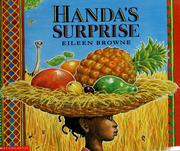
The reader can see the animals stealing the fruit while Handa cannot, so the child spends the whole book knowing more than the character. That is dramatic irony, and four is exactly when it starts landing.

An I-spy rhyme threaded through nursery-rhyme and fairy-tale characters, so it rewards a child who has already met Jack, Jill and the Three Bears. Put it here rather than at three because the joke depends on prior knowledge.
The rhyming books they will demand nightly
BeginnerBuild the rhythmic memory that makes reading feel inevitable — books a four-year-old will finish your sentences in.
▸ Study plan for this stage
Pace: Four to six weeks and probably much longer in practice, because these are the books that get requested every night for months. Each is a five to eight minute read-aloud. Introduce The Gruffalo first and let it be thoroughly worn out before Room on the Broom; Oi Frog! and A great big cuddle can be ad
- Metre as pre-reading work. The Gruffalo's rhythm is reliable enough that a four-year-old learns to predict the rhyming word, which is real phonological practice disguised as a story
- The Gruffalo's plot as a proper structure: a mouse talks its way out of being eaten three times and then meets the monster it invented, which is a setup and a payoff rather than a sequence of events
- Room on the Broom as the step up — longer, more plotted, with a genuine rescue at the end, and the first book on this ladder requiring a child to keep four separate characters in mind
- Reading the two in order matters. Room on the Broom asks more of a listener, and a child who has The Gruffalo by heart arrives with the metre already installed
- Oi Frog! offering something the others do not: the rhyme follows a rule the child can spot, and once spotted they can generate the next one themselves. That shift from receiving to producing is worth watching for
- Comedy that depends on the reading voice. Oi Frog! is an argument and lands almost entirely on delivery, which makes it the best book here for an adult who feels self-conscious reading aloud
- Poems as a better bedtime unit than chapters at this age. A great big cuddle is nonsense-heavy and built for noise rather than for the page
- Repetition as the mechanism rather than a nuisance. The twentieth reading is not the first reading again; the child has moved from listening to anticipating to performing
- What is the mouse in The Gruffalo actually doing in the first half, and does the child understand the trick before the Gruffalo appears?
- How many characters does Room on the Broom require the listener to hold, and where does your child lose track?
- In Oi Frog!, what is the rule? Can the child state it, or only use it?
- Which of these books does the child join in with, and at what point in each — the rhyme word, the whole line, or the page?
- Which poems in A great big cuddle get requested? Read the pattern rather than the individual choices.
- Read The Gruffalo and pause before every rhyme word. Track over a week how many the child supplies. The number climbing is the point.
- Read Room on the Broom and afterwards ask the child to name everyone on the broom. Whichever character is missing is where the load is too heavy, so read it again rather than moving on.
- With Oi Frog!, stop before an animal is named and let the child guess. If they produce a real rhyme rather than the book's, they have understood the rule, which is a bigger step than remembering the text.
- Read one poem from A great big cuddle standing up and being loud. These poems are built for sound, and reading them quietly at bedtime undersells them badly.
- Record yourself reading The Gruffalo and listen back. Almost every adult reads it faster than its metre wants.
Next up: With the metre installed and a child who can hold four characters, the last stage stretches the sitting time and introduces books that do not tidy themselves up.
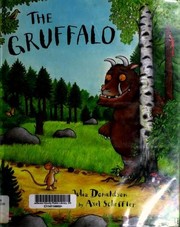
A mouse talks its way out of being eaten three times and then meets the monster it invented. The metre is so reliable that a four-year-old learns to predict the rhyme word, which is real pre-reading work disguised as a bedtime story.
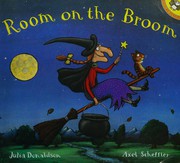
Longer and more plotted than The Gruffalo, with a proper rescue at the end, so read it second. It is the first book on this ladder where a four-year-old has to remember four separate characters.

The entire book is a rhyming argument about which animal sits on what, and it is very funny out loud. Include it because a four-year-old who has spotted the rule can generate the next rhyme themselves — a game the Donaldsons do not offer.

Poems for the very young, nonsense-heavy and built for noise rather than for the page. Four is the age where a poem is a better bedtime unit than a chapter, and this is the best modern collection for it.
Longer stories, stranger feelings, and the first non-fiction
BeginnerSit through a longer picture book, meet a story that does not tidily resolve, and discover that books can also just be about real things.
▸ Study plan for this stage
Pace: Six to eight weeks. These are longer read-alouds — The Tiger Who Came to Tea and The Story of Ferdinand each run to ten minutes or more, and The Story of Ferdinand is the longest on the ladder, so keep it for last. Not now, Bernard and The Snowy Day are short. The Big book of bugs is not read cover
- More text per page as the real difficulty step. The Tiger Who Came to Tea has noticeably more words per spread than anything earlier here, and that, rather than vocabulary, is what makes it a longer sit
- A story that refuses to explain itself. The tiger is never accounted for, and the book is entirely comfortable with that — which is a different contract from the one Owl Babies offered
- Not now, Bernard as the first genuinely unsettling book on the ladder: a boy is eaten by a monster and his parents do not notice. Four-year-olds tend to find it very funny, and the unease belongs to the adult reading it
- Comedy and dread sharing a page. Being able to hold both at once is a real reading capacity and this is usually where it starts
- The Snowy Day as the counterweight to the rhyming books — almost no plot, a small boy in a red snowsuit having a day, told in collage. It teaches that a story can be made of noticing rather than of events
- The Story of Ferdinand as the first book here with a clear point of view. A bull who would rather smell flowers than fight is a position, not just a character, and that is new at this level
- Non-fiction that behaves like a picture book. The Big book of bugs uses huge illustrated spreads with a hidden bug to find on each, so it has a page-turn reward without a plot
- Why a ladder needs one factual book. Children who resist story books will often sit for this one, and the book's job is to keep them at a page rather than to teach them anything in particular
- How long can the child now sit for in one book? That number, rather than any age, is what these four are calibrated to.
- Does the unexplained tiger bother the child, or only you? Ask them where the tiger came from and see whether they think it is a question.
- How does the child respond to Not now, Bernard — laughing, worried, or asking about the parents?
- The Snowy Day has almost nothing happen. What does the child look at while you read it?
- What is The Story of Ferdinand's position, and can the child state it in their own words?
- Which does the child ask for more often, the bug book or the stories? The answer should change what you read next, not worry you.
- Time one reading of The Tiger Who Came to Tea and note where the child's attention goes. That marker is the practical ceiling for read-aloud length this month.
- Read Not now, Bernard straight, without softening the ending or adding reassurance. Then see whether the child asks for it again. They usually do.
- Read The Snowy Day with no expression at all and let the pictures carry it. Ask the child afterwards what he did in the snow; their answer is a retelling built from images rather than from words.
- With The Big book of bugs, open at one spread and stay there. Find the hidden bug together and read nothing else. Non-fiction at four is grazed rather than finished.
- After The Story of Ferdinand, ask the child what Ferdinand wanted and what everyone else wanted. A four-year-old who can answer both has understood a point of view, which is exactly what the next ladder is built on.
Next up: This is the end of the ladder — twelve read-alouds from a single clean plot to a book with a point of view — and the natural next step is the first short chapter books read aloud a chapter a night, where the child has to carry a story across a whole day.
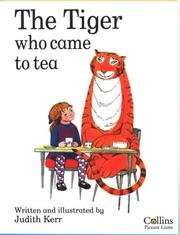
Noticeably more text per page than anything above it, and it never explains the tiger. Read it when your child can last a full ten minutes.
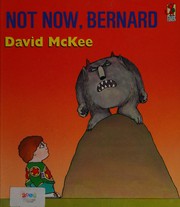
A boy is eaten by a monster and his parents do not notice. It is the first genuinely unsettling book on the ladder and four-year-olds find it hilarious rather than upsetting — the fear belongs to the adult reading it.

Almost no plot, just a small boy in a red snowsuit having a day, told in collage. Include it as the counterweight to the rhyming books: it teaches that a story can be made of noticing rather than events.
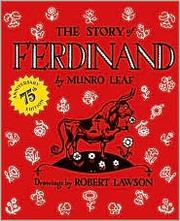
A bull who would rather smell flowers than fight — a book with a clear point of view, which is new at this level. It is also the longest read-aloud here, so save it for last.

Non-fiction that behaves like a picture book: huge illustrated spreads with a hidden bug to find on each. Four-year-olds who resist story books will often sit for this, which is why every ladder needs at least one.
Discussion
Keep reading
Paths that share books, cover the same subject, or open a related topic.