The Best Books for 3-Year-Olds: A Read-Aloud Ladder, in Order
Three is the age of the read-aloud: almost nothing here is read by the child, so the constraint is not reading level but how long a three-year-old will sit still, and the ladder is sequenced by that. It opens with books that survive a two-minute attention span, moves to books built for joining in out loud, and ends with the first picture books that carry a real story from beginning to end. Treat it as a guide rather than a test — some three-year-olds sit through Where the Wild Things Are and some four-year-olds still want the flap books, and both are entirely normal.
Books that survive a two-minute attention span
BeginnerEstablish the habit before the story: books that reward a child who wants to touch, lift and slam the book shut after ninety seconds.
▸ Study plan for this stage
Pace: There is no schedule to keep here, and that is the point of the stage — these three are built to be read in ninety seconds and abandoned mid-page without anything being lost. Expect to read the same one four times in a row on the days it lands and to get two pages into it on the days it does not. Go
- The constraint at this stage is not reading level — nothing here is read by the child — but how long they will sit. Every book in this stage is built to survive being shut halfway through.
- That's Not My Puppy gives one sentence a page and something to touch on every spread, so the book rewards a child who wants to handle it rather than listen to it. Start here if sitting still is the problem rather than the words.
- Dear Zoo puts a flap on every spread, which gives the child a job. It also introduces the first pattern a three-year-old can predict — another animal, another flap, another no — and predicting what comes next is the seed of following a plot.
- Goodnight Moon works when nothing else does because it has no plot to lose track of, only a room being said goodnight to. Its rhythm is a settling one, which is why it is an end-of-day book.
- Repetition is not a failure of variety at this stage. A child asking for the same book six nights running is doing the thing the book is for, and swapping it out to broaden their diet usually just ends the reading.
- Physical handling counts as reading here. Slamming the book shut, carrying it around and turning the pages the wrong way are all part of learning what a book is.
- These are suggestions, not a sequence to complete. A child who only ever wants the flap book has not stalled.
- Which of the three holds attention longest in your house, and is it the words, the pictures or the thing to do with the hands?
- When the book is abandoned mid-page, what usually preceded it — a hard page, a long page, or simply the end of the sitting?
- Dear Zoo's pattern is predictable on purpose. Does the child anticipate it out loud, and does that change how long they stay?
- Is Goodnight Moon working as a story or as a routine, and does it matter which?
- What time of day actually works for reading, on the evidence of the last fortnight rather than the plan?
- Read Dear Zoo once and let the child lift every flap themselves, even when it is slow. Do not turn the page for them.
- Time yourself reading That's Not My Puppy at the pace the child actually wants. Knowing it takes ninety seconds makes it easier to offer on a bad evening.
- Read Goodnight Moon at the end of the day for a week without offering anything else in that slot, and note whether it settles into a routine.
- Keep the same book available for as many nights running as it is asked for, and resist rotating it out.
Next up: Once a book can survive being handled and predicted, the next stage gives the child something to say and do out loud, which is where read-aloud stamina actually comes from.
A touch-and-feel board book with one sentence a page, which is exactly the right amount of text for a child who is still learning that books are for holding. Start here if sitting still is the problem rather than the words.

Lift-the-flap gives the child something to do on every spread, so the story survives the fidgeting. It also introduces the first pattern a three-year-old can predict — another animal, another flap, another 'no' — which is the seed of following a plot.

The one that works when nothing else does, because it has no plot to lose track of, only a room being said goodnight to. Put it last in the evening rather than first in the day.
Books a three-year-old joins in with
BeginnerMove from listening to participating — the child supplying the next line, the next noise or the next page turn, which is where read-aloud stamina actually comes from.
▸ Study plan for this stage
Pace: These are longer — most run to about 30 to 36 pages — and they take five to ten minutes when they land well. We're Going on a Bear Hunt needs floor space and a raised voice more than it needs a schedule; it does not work read quietly sitting down. The poetry anthology is the forgiving option: a poem
- The shift in this stage is from listening to joining in — the child supplying the next line, the next noise or the next page turn. That participation is what builds the stamina for longer books later.
- The Very Hungry Caterpillar packs counting, days of the week and die-cut holes to poke a finger through into a very short story, and it is usually the first book a three-year-old will start saying back to you from memory.
- Reciting a book from memory is not cheating and is not reading either. It is a separate and useful thing, and correcting it tends to stop it.
- Rosie's Walk has about thirty words, and the entire joke — a fox coming to grief repeatedly behind an oblivious hen — happens only in the pictures. Reading the text alone gets you nothing, which is precisely the lesson.
- Rosie's Walk works best after The Very Hungry Caterpillar, once the child already trusts that the pictures are worth studying rather than skipping.
- We're Going on a Bear Hunt is built to be chanted and stamped, and it holds a child who has run out of patience for sitting. The noises are the book; done half-heartedly it falls flat.
- Peepo! puts a peephole on every other page, turning the reading into a guessing game, and its background is a wartime family home with a great deal for an adult to look at. It is slightly longer than the others, which is why it sits here.
- A poetry anthology is the most forgiving format at this age because each item is thirty seconds long, so there is never a wrong moment to stop.
- Which book does the child join in with unprompted, and what specifically are they joining in on — a word, a noise, or the page turn?
- Does reciting The Very Hungry Caterpillar from memory happen at the same points each time? What does that tell you about which pages have landed?
- With Rosie's Walk, does the child follow the fox without being told to? What happens if you say nothing at all about it?
- Does We're Going on a Bear Hunt work better sitting down or moving around, in practice rather than in theory?
- In Peepo!, what does the child look at, and what do you look at? They are usually different things.
- When you dip into the poetry, how many poems is the real limit before attention goes?
- Read The Very Hungry Caterpillar and pause deliberately before the last word of a familiar line, then wait. Do not fill the silence.
- Read Rosie's Walk once without mentioning the fox at all, and see whether the child finds it.
- Do We're Going on a Bear Hunt standing up, with the full noises and the stamping, at least once. Reading it quietly is the commonest reason it does not work.
- Read Peepo! and hold each spread for a few seconds before turning, so there is time to look for the thing through the hole.
- Pick three poems from the anthology, read them at bedtime, and stop after whichever one gets the best reaction rather than finishing all three.
Next up: Joining in builds the stamina to sit through a page that is not doing anything, which is what a story with a beginning, a middle and an end will ask for.
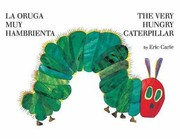
Counting, days of the week and die-cut holes to poke a finger through, all inside one very short story. It is the first book on this ladder that a three-year-old will start 'reading' back to you from memory.
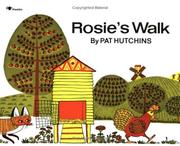
Thirty-two words, and the entire joke — a fox being flattened repeatedly behind an oblivious hen — happens only in the pictures. Read it after The Very Hungry Caterpillar so the child already trusts that the pictures are worth studying.

Built to be chanted and stamped rather than read sitting down, which is why it holds a three-year-old who has run out of patience. Do the noises properly; the book does not work quietly.

A peephole on every other page turns the reading into a guessing game, and the wartime family home in the background gives an adult something to look at too. Slightly longer than the books before it, which is the point of putting it here.
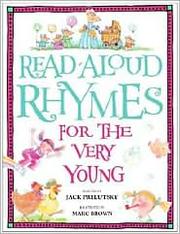
A poem takes thirty seconds, so an anthology is the most forgiving format at this age — you stop the moment attention goes. Dip in alongside the picture books rather than reading it through.
The first books with a real story
BeginnerReach a whole narrative held in the head from start to finish, including one that deals with a genuinely difficult feeling.
▸ Study plan for this stage
Pace: These are the longest on the ladder — around 32 to 42 pages — and a single reading takes ten minutes or more, so they belong on the days when there is time rather than the days when there is not. Leave a gap of a week or two between Corduroy and Where the Wild Things Are rather than running them tog
- This stage asks for something new: holding a whole narrative in mind from beginning to end, across pages where nothing is happening for the hands to do.
- Mr Gumpy's Outing is cumulative, so each new passenger is a small act of suspense and the child is holding a growing sequence in their head. The boat tipping over is the first plot twist many children meet.
- Guess How Much I Love You is an argument rather than an adventure — two characters competing over a claim — which asks the listener to follow something other than events.
- Corduroy is a proper three-act story: a bear wants something, fails to get it, and is found. It is longer than anything earlier here, and how it goes is fair information about what to reach for next.
- Where the Wild Things Are takes a tantrum seriously rather than making it a lesson, and it ends with supper still warm — which is the point most adults remember and most three-year-olds feel without being told.
- The wordless spreads in Where the Wild Things Are require the child to fill several pages with nothing being said. Resisting the urge to narrate over them is the whole technique for reading it well.
- The frightening pages are frightening on purpose and reading them together is what makes them manageable. Skipping them tends to be more conspicuous than reading them.
- None of this is a test. A child who wants to go back to the flap books after Where the Wild Things Are has not gone backwards, and interest, not reading level, is what should decide the next book.
- In Mr Gumpy's Outing, does the child anticipate the tipping point? At what page do they start expecting it?
- Guess How Much I Love You has no events. Does the child stay with it, and if not, at which page does attention go?
- How does Corduroy's length actually land — does the child sit through it in one go, or does it need two sittings?
- Where the Wild Things Are will get one of three reactions: delight, fear, or nothing. Which did you get, and did it change on a second reading?
- During the wordless spreads, what does the child do if you say nothing?
- Looking at all three stages: which books have been asked for again, and which were read once? That list is more useful than the order.
- Read the Wild Things pages of Where the Wild Things Are yourself before reading them aloud, so the first time you see them is not the same moment the child does.
- Read the wordless spreads without narrating. Hold each one for several seconds and let the silence sit.
- Leave at least a week between Corduroy and Where the Wild Things Are rather than reading them in the same stretch.
- Read Mr Gumpy's Outing twice, and on the second reading pause before each new passenger climbs in to see whether the child guesses.
- Keep a short list of which books on the whole ladder were asked for more than three times. Let that list, rather than this sequence, choose what comes next.
Next up: A child who can sit through a whole story read aloud is ready for longer picture books and, in time, for beginning to read a line of one themselves.
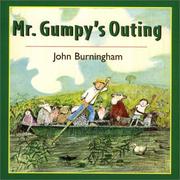
A cumulative story where each new passenger is a small act of suspense, so it teaches a three-year-old to hold a growing sequence in mind. The tipping-over ending is the first plot twist most children meet.
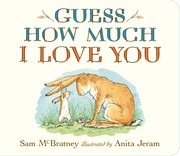
The story is an argument rather than an adventure, which is a step up in what the listener has to follow. Read it after the joining-in books, when the child can sit through a quiet page.
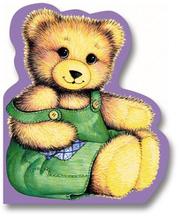
A department-store bear searching for a missing button is a proper three-act story with wanting, failing and being found. It is longer than anything earlier on this ladder and is the honest test of whether your three-year-old is ready for four-year-old books.
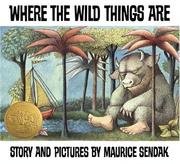
The endpoint of the year: a book about a tantrum that takes the tantrum seriously, and the first one here with a wordless stretch the child has to fill in themselves. Some three-year-olds find the Wild Things genuinely frightening — that is a reason to read it together, not a reason to wait.
Discussion
Keep reading
Paths that share books, cover the same subject, or open a related topic.