Athletic training: an ordered reading list into the AT profession
This curriculum builds from foundational anatomy and sports medicine concepts up through clinical athletic training practice and BOC exam preparation. Each stage deepens the reader's understanding of the human body under athletic stress, injury mechanisms, rehabilitation science, and the professional standards required of a certified athletic trainer. The path mirrors the knowledge arc of an accredited athletic training program, supporting — but not replacing — formal education and clinical hours.
Foundations: Anatomy & Sports Medicine Basics
BeginnerBuild the essential vocabulary of human anatomy, physiology, and introductory sports medicine so that later clinical texts make immediate sense.
▸ Study plan for this stage
Pace: 8–10 weeks, ~40–50 pages/day (5–6 days/week). Week 1–3: "The Anatomy of Sports Injuries" (primary focus on injury mechanisms and anatomical structures); Week 4–5: transition and review; Week 6–10: "Introduction To Athletic Training" (building clinical context and professional foundations).
- Major skeletal and muscular systems: bones, joints, ligaments, tendons, and muscle fiber organization relevant to athletic movement and injury
- Physiological responses to exercise: energy systems, cardiovascular adaptations, and metabolic demands in athletic contexts
- Common injury mechanisms: how anatomical structures fail under specific forces (compression, tension, shear, torsion) in sports
- Tissue healing and inflammation: the biological cascade following acute injury and factors affecting recovery timelines
- Assessment and evaluation fundamentals: basic palpation, range of motion testing, and special tests introduced in clinical practice
- The athletic training profession: scope of practice, roles in healthcare teams, and ethical/legal responsibilities
- Prevention principles: how anatomical knowledge informs injury prevention strategies and conditioning programs
- Acute care and emergency response: initial management protocols (RICE/PRICE) and when to refer to physicians
- Describe the anatomical structures involved in a common sports injury (e.g., anterior cruciate ligament tear, rotator cuff strain) and explain the mechanism by which it occurs.
- What are the four phases of tissue healing, and what physiological processes occur during each phase?
- How do the three energy systems (phosphocreatine, anaerobic glycolysis, aerobic oxidation) differ in their capacity and duration, and which is dominant in different sports?
- What is the scope of practice for an athletic trainer, and how does it differ from a physical therapist or team physician?
- Explain the difference between acute and chronic inflammation, and why controlled inflammation is necessary for tissue repair.
- Perform a basic shoulder assessment: identify key anatomical landmarks via palpation and describe what you would test for range of motion and stability.
- Anatomical mapping: Using a skeleton model or anatomy atlas, identify and palpate major bones, joints, and muscle groups on a partner; label diagrams of the shoulder, knee, ankle, and spine with all relevant structures.
- Injury mechanism case studies: Read 5–6 injury scenarios from 'The Anatomy of Sports Injuries'; for each, draw or describe the anatomical structures involved and explain the forces that caused failure.
- Energy systems simulation: Calculate and compare the energy demands of three different sports (e.g., 100m sprint, 5km run, soccer match); identify which energy system dominates and why.
- Assessment practice: Perform basic orthopedic tests on a partner (range of motion, manual muscle testing, special tests like Lachman or Apprehension); document findings in a simple report.
- Healing timeline project: Create a visual timeline for recovery from a specific injury (e.g., grade II ankle sprain); annotate with physiological events, expected pain/swelling patterns, and return-to-play milestones.
- Professional role-play: Simulate an initial athlete evaluation scenario where you gather history, perform basic assessment, and decide whether to refer to a physician or manage conservatively.
Next up: This stage equips you with the anatomical vocabulary and physiological literacy needed to understand clinical decision-making, diagnostic imaging, and evidence-based treatment protocols in subsequent stages on assessment techniques, therapeutic interventions, and sport-specific injury management.

A highly visual, accessible introduction to how muscles, tendons, and ligaments are injured during sport — perfect for building anatomical vocabulary before tackling clinical texts.
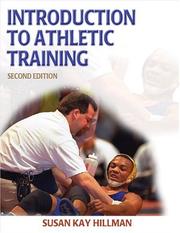
A purpose-built beginner overview of the athletic training profession, covering scope of practice, basic injury concepts, and the role of the BOC — ideal as a first formal text in the field.
Core Clinical Knowledge: Assessment & Injury Recognition
BeginnerLearn systematic orthopedic assessment, injury evaluation techniques, and the clinical reasoning process used to recognize and triage musculoskeletal injuries.
▸ Study plan for this stage
Pace: 8–10 weeks, ~40–50 pages/day (Magee first: 4–5 weeks; Schenck second: 4–5 weeks). Allocate 2–3 days per week for hands-on practice and review.
- Systematic orthopedic assessment framework: history, observation, palpation, range of motion, strength testing, and special tests
- Regional anatomy and biomechanics relevant to musculoskeletal injury (spine, shoulder, elbow, wrist/hand, hip, knee, ankle/foot)
- Clinical reasoning and differential diagnosis: how to narrow down injury type from assessment findings
- Special orthopedic tests: purpose, technique, sensitivity/specificity, and interpretation of positive/negative results
- Acute injury evaluation and triage: recognizing red flags, emergency referral criteria, and severity classification
- Documentation and communication: recording assessment findings objectively and communicating with physicians and other healthcare providers
- Common athletic injuries by region: mechanism of injury, typical presentation, and assessment patterns in Schenck
- Functional assessment and return-to-play decision-making: linking assessment findings to activity tolerance
- Walk through a complete orthopedic assessment for a specific joint (e.g., knee, shoulder, ankle). What are the five main components and what does each reveal?
- You observe an athlete with acute ankle inversion injury. What special tests would you perform, in what order, and what positive findings would suggest anterior talofibular ligament (ATFL) damage versus syndesmotic injury?
- How do you differentiate between a grade 1, 2, and 3 ligament sprain using assessment findings (pain, swelling, laxity, functional loss)?
- Describe the clinical reasoning process: given a patient history of 'knee pain with pivoting,' what hypotheses would you generate and how would your assessment be designed to test them?
- What are three red flags during orthopedic assessment that would prompt immediate physician referral or emergency care?
- How would you document and communicate your assessment findings to a physician in a way that supports clinical decision-making?
- Perform complete orthopedic assessments on 3–4 different joints (knee, shoulder, ankle, spine) using Magee's systematic framework. Practice on classmates or willing volunteers; record findings objectively.
- Study and practice 15–20 special orthopedic tests (e.g., Lachman test, McMurray test, Apprehension test, Spurling test). Learn correct positioning, technique, and interpretation; video yourself or have an instructor critique.
- Case study analysis: work through 5–6 injury scenarios from Schenck (e.g., acute hamstring strain, rotator cuff impingement, ACL tear). For each, generate differential diagnoses and design an assessment plan.
- Triage simulation: given written or video presentations of acute injuries, classify severity (immediate referral, urgent evaluation, routine evaluation) and justify your decision.
- Documentation practice: write 3–4 SOAP notes (Subjective, Objective, Assessment, Plan) for different injuries, focusing on objective, concise language and clear reasoning.
- Peer teaching: explain the assessment findings for one injury to a classmate, demonstrating how you arrived at your conclusion and what you ruled out.
Next up: This stage equips you with the foundational skills to recognize and classify injuries; the next stage will build on this by teaching you evidence-based treatment and rehabilitation strategies for specific conditions.
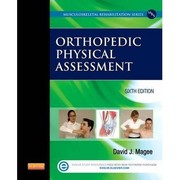
The gold-standard reference for joint-by-joint physical examination; reading it after foundational anatomy ensures every special test and assessment technique is fully contextualized.
Bridges anatomy and assessment into a comprehensive clinical sports medicine framework, reinforcing evaluation skills with condition-specific management guidelines.
Injury Prevention & Therapeutic Modalities
IntermediateUnderstand evidence-based strategies for preventing athletic injuries and the physiological rationale behind therapeutic modalities used in rehabilitation.
▸ Study plan for this stage
Pace: 4–5 weeks, ~25–30 pages/day
- Physiological principles underlying thermal, mechanical, and electrical modalities (heat transfer, tissue response, inflammation phases)
- Evidence-based application of modalities: cryotherapy, thermotherapy, ultrasound, electrical stimulation, and manual therapy in different injury phases
- Contraindications, precautions, and safety considerations for each modality to prevent adverse effects
- Integration of modalities within a comprehensive rehabilitation protocol rather than as standalone treatments
- Dosage parameters (intensity, duration, frequency) and how to adjust them based on tissue healing stages and patient response
- Clinical decision-making: matching modality selection to injury type, phase of healing, and patient goals
- Research interpretation: understanding how to evaluate efficacy claims and apply evidence to practice decisions
- What are the physiological mechanisms by which cryotherapy reduces pain and inflammation in the acute phase, and why is timing critical?
- How do thermal modalities (heat) affect tissue extensibility and blood flow, and when is heat contraindicated?
- What is the evidence for ultrasound efficacy in musculoskeletal rehabilitation, and what parameters (frequency, intensity, duration) are most supported?
- How do electrical stimulation modalities (TENS, EMS, interferential current) work physiologically, and what are their appropriate clinical applications?
- What are the key contraindications and precautions for each major modality, and how do you screen patients before application?
- How should modality selection and dosage change across the inflammatory, proliferative, and remodeling phases of tissue healing?
- Create a decision-tree flowchart for selecting appropriate modalities based on injury type (acute ankle sprain, chronic tendinopathy, muscle strain) and healing phase
- Develop a case study protocol: write a 2–3 week modality plan for a specific injury (e.g., acute hamstring strain), justifying each modality choice with physiological rationale
- Practice hands-on application: if available, use therapeutic modality equipment (ice packs, heat pads, ultrasound units, TENS units) under supervision and document tissue response
- Analyze 2–3 research articles on modality efficacy from the book's references; summarize the evidence quality and clinical implications in a one-page summary
- Create a patient education handout explaining why a specific modality is being used, how it works, and what to expect—practice translating technical concepts for lay audiences
- Conduct a modality safety audit: list all contraindications and precautions for cryotherapy, thermotherapy, ultrasound, and electrical stimulation in a reference table
Next up: Mastery of therapeutic modalities and their physiological rationale provides the foundational knowledge needed to design and progress comprehensive rehabilitation programs that integrate modalities with exercise prescription, manual therapy, and functional restoration strategies.
Focuses specifically on prevention frameworks and risk-factor management, shifting the reader's mindset from reactive treatment to proactive athlete care.

A widely adopted athletic training text covering ultrasound, electrical stimulation, cryotherapy, and thermotherapy — essential intermediate knowledge for clinical practice and BOC content domains.
Rehabilitation Science & Exercise Prescription
IntermediateApply principles of therapeutic exercise, functional progressions, and return-to-sport criteria to design complete rehabilitation programs.
▸ Study plan for this stage
Pace: 8–10 weeks, ~40–50 pages/day (approximately 2–3 hours of focused reading and note-taking per session)
- Principles of therapeutic exercise design: ROM, strengthening, endurance, and flexibility progressions tailored to tissue healing phases
- Tissue healing timelines and physiological constraints: inflammation, proliferation, and remodeling phases that dictate exercise prescription windows
- Functional progression frameworks: moving from isolated movements to integrated, sport-specific activities with measurable criteria for advancement
- Return-to-sport testing and criteria: objective measures (strength ratios, power, agility, sport-specific skills) that determine readiness for competition
- Exercise prescription variables: intensity, volume, frequency, and rest intervals adjusted for different injury types and athlete populations
- Neuromuscular control and proprioceptive training: restoring sensorimotor function and movement patterns to prevent re-injury
- Periodization of rehabilitation: structuring phases (acute, subacute, functional, return-to-sport) with clear progression milestones
- Evidence-based modifications: applying research findings from Frontera to justify exercise selection and progression decisions in clinical practice
- How do the three phases of tissue healing (inflammation, proliferation, remodeling) determine when and what type of therapeutic exercise is appropriate?
- What are the key differences between ROM, strengthening, and endurance exercises, and how should they be sequenced in a rehabilitation program?
- How do you design a functional progression that bridges isolated exercises to sport-specific demands, and what criteria determine advancement between phases?
- What objective tests and performance measures should be used to establish return-to-sport readiness, and how do strength ratios and asymmetry indices factor in?
- How do exercise variables (intensity, volume, frequency, rest) change across rehabilitation phases, and what evidence supports these modifications?
- What role does proprioceptive and neuromuscular training play in preventing re-injury, and how is it integrated into a complete rehabilitation program?
- Design a complete 8-week rehabilitation program for a specific injury (e.g., ACL reconstruction, ankle sprain, rotator cuff tear) using Kisner's framework, including ROM, strengthening, and functional phases with exercise examples and progression criteria
- Create a functional progression sequence for a lower-body injury that transitions from supine/seated exercises to standing, dynamic, and sport-specific movements; justify each progression step with tissue healing and functional readiness principles
- Develop a return-to-sport testing battery for an athlete recovering from a lower-extremity injury, including strength ratios, power tests, agility drills, and sport-specific skills; establish objective cutoff scores based on Frontera's evidence
- Analyze a case study of an injured athlete: identify the tissue type and healing phase, then prescribe 2–3 therapeutic exercises with specific parameters (sets, reps, intensity, frequency) justified by Kisner's principles
- Compare two different rehabilitation approaches for the same injury type using evidence from Frontera; explain which is superior based on tissue healing science and functional outcomes
- Practice modifying an exercise program based on an athlete's response: given a scenario where an athlete plateaus or regresses, adjust intensity, volume, or exercise selection using principles from both texts
Next up: This stage equips you with the scientific foundation and practical tools to design evidence-based rehabilitation programs; the next stage will likely focus on sport-specific applications, advanced return-to-play protocols, or managing complex multi-tissue injuries in competitive athletes.
The definitive rehabilitation exercise text; its systematic progression from impairment to function directly prepares the reader to design evidence-based rehab protocols.

Deepens understanding of the physiological and biomechanical science underlying rehab decisions, bridging the gap between clinical protocols and research evidence.
Advanced Integration & BOC Exam Preparation
ExpertSynthesize all prior knowledge across BOC exam content domains and simulate the clinical decision-making expected of a certified athletic trainer.
▸ Study plan for this stage
Pace: 8–10 weeks, ~40–50 pages/day (mix of dense clinical content and exam-style review), with 2–3 dedicated exam simulation weeks at the end
- Systematic musculoskeletal examination protocols: history, inspection, palpation, special tests, and imaging interpretation across all body regions
- Clinical decision-making frameworks: differential diagnosis, red flag recognition, and referral criteria for conditions requiring physician consultation
- BOC exam content domains: general medical conditions, orthopedic conditions, emergency care, and professional practice standards
- Evidence-based assessment and intervention: understanding sensitivity/specificity of special tests and applying research to clinical reasoning
- Comprehensive case synthesis: integrating findings from Shultz's detailed examination techniques with Van Ost's exam-style scenarios and rapid recall
- Professional standards and scope of practice: legal, ethical, and regulatory expectations of a certified athletic trainer
- Test-taking strategy and time management: recognizing question types, eliminating distractors, and prioritizing information in high-pressure scenarios
- How would you systematically examine a suspected anterior cruciate ligament (ACL) injury using the protocols from Shultz, and what special tests would you prioritize to rule in or rule out this diagnosis?
- Given a clinical scenario (e.g., acute ankle inversion injury), how would you apply Shultz's examination framework to generate a differential diagnosis and determine whether referral to a physician is warranted?
- What are the key differences between BOC exam content domains (general medical, orthopedic, emergency care, professional practice), and how do they intersect in a single clinical case?
- How do you interpret the sensitivity and specificity of special tests (e.g., Lachman test, anterior drawer test) when multiple tests point to different diagnoses, and what does the evidence say?
- What are the red flags and contraindications to athletic training intervention that would require immediate physician referral or emergency care?
- How would you manage time and question strategy during a high-pressure exam scenario, and what are common pitfalls in BOC exam questions that test-takers should avoid?
- Complete full-body systematic examinations on 3–4 volunteer athletes (or simulated cases) using Shultz's protocols for each region (shoulder, elbow, wrist/hand, spine, hip, knee, ankle/foot), documenting findings and differential diagnoses
- Work through 50–75 BOC-style multiple-choice questions from Van Ost per week, timing yourself (60–90 seconds per question) and reviewing incorrect answers to identify knowledge gaps and reasoning errors
- Create a 'red flag checklist' for each body region and general medical condition, cross-referencing Shultz's examination findings with BOC scope-of-practice standards
- Conduct 2–3 full-length mock BOC exams (150–225 questions) under timed conditions, analyzing performance by content domain and adjusting study focus accordingly
- Develop case study summaries (1–2 pages each) for 8–10 complex clinical scenarios, integrating Shultz's examination protocols with Van Ost's exam-style reasoning and evidence-based decision-making
- Teach or explain examination techniques and clinical reasoning to a peer or mentor, using Shultz's detailed descriptions and Van Ost's scenario-based approach to reinforce understanding
- Create flashcards or a quick-reference guide for special test sensitivity/specificity, normal vs. abnormal findings, and differential diagnosis decision trees for high-yield conditions
Next up: This stage culminates in BOC exam certification, which validates your readiness to practice as an independent athletic trainer; the next stage would involve real-world clinical application, continuing education, and specialization in areas such as advanced orthopedic rehabilitation, sports nutrition, or administrative leadership.

An advanced, comprehensive evaluation text that integrates assessment, pathology, and clinical reasoning across all body regions — a critical capstone before BOC review.
A dedicated BOC exam prep resource with domain-aligned practice questions and content outlines, best used last when the reader has the clinical knowledge base to contextualize every question.
Discussion
Keep reading
Paths that share books, cover the same subject, or open a related topic.