Best Books to Become an Archivist, in Order
This curriculum is designed for learners who already have some familiarity with information management and want to build genuine professional expertise as archivists. Starting from core archival theory and practice, the path moves through the technical pillars of the profession — appraisal, arrangement and description, digital preservation — before culminating in the standards, credentials, and career strategy needed to get hired and advance. Each stage builds the conceptual vocabulary required to absorb the next.
Archival Theory & Core Practice
IntermediateUnderstand the foundational principles of archival science — provenance, original order, the life cycle of records — and how they underpin every practical decision an archivist makes.
▸ Study plan for this stage
Pace: 4–5 weeks, ~25–30 pages/day, with 2–3 days per week reserved for reflection and exercises
- Provenance as the foundational principle: understanding why the origin and custody history of records matters more than their subject matter
- Original order and respect des fonds: how maintaining the creator's organizational logic preserves archival integrity and meaning
- The life cycle of records: creation, active use, inactive storage, and archival appraisal as stages that shape preservation decisions
- Archival description and finding aids: how standardized metadata and contextual information make collections discoverable and usable
- The distinction between archives, manuscripts, and other special collections: understanding what makes something archival
- Appraisal and selection: the ethical and practical criteria archivists use to decide what deserves permanent preservation
- Access and restrictions: balancing preservation with researcher needs, privacy, and institutional missions
- What is provenance and why is it considered the cornerstone of archival practice?
- How does the principle of original order differ from subject-based organization, and what are the consequences of violating it?
- What are the stages of the records life cycle, and how does understanding this cycle inform archival decision-making?
- What is the purpose of finding aids and how do they differ from library catalogs?
- What criteria should an archivist use when appraising records for permanent preservation?
- How do archivists balance the need to preserve and protect sensitive materials with providing access to researchers?
- Create a mock provenance statement for a fictional collection, documenting its creator, custody history, and how it came to the archive
- Analyze a real finding aid (available online from major institutions) and identify how provenance and original order are reflected in its structure
- Conduct a mini-appraisal exercise: given a list of 20 hypothetical records from a small business, decide which 8–10 merit permanent preservation and justify your choices using archival criteria
- Map out the records life cycle for a specific type of document (e.g., personnel files, project records, correspondence) from creation through archival retention or disposal
- Examine two different organizational schemes for the same collection—one respecting original order, one organized by subject—and write a brief analysis of what is gained and lost in each approach
- Interview a practicing archivist (in person or via email) about a difficult appraisal or access decision they faced, and reflect on how O'Toole's principles informed their choice
Next up: This stage establishes the theoretical and ethical bedrock of archival work; the next stage will apply these principles to the practical workflows of arrangement, description, and preservation, showing how theory translates into day-to-day archival operations.
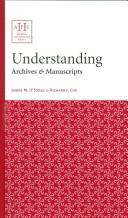
A concise, authoritative primer on archival principles written for the Society of American Archivists; it establishes the vocabulary (provenance, original order, appraisal) that every subsequent book assumes you know.
Appraisal: Deciding What to Keep
IntermediateMaster the intellectual frameworks and practical methods archivists use to evaluate, select, and document which records have enduring value.
▸ Study plan for this stage
Pace: 4–5 weeks, ~25–30 pages/day (approximately 120–150 pages total)
- Appraisal as a core archival function: distinguishing between selection (choosing what to acquire) and appraisal (evaluating what to keep)
- Evidential and informational value: understanding how records document organizational/institutional functions versus providing information about broader subjects
- Intrinsic value: recognizing when physical or aesthetic qualities of records warrant preservation independent of content
- Cost-benefit analysis in appraisal: balancing preservation costs against research value and institutional capacity
- Documentation strategies and collecting policies: using systematic frameworks to guide appraisal decisions rather than ad-hoc judgments
- Provenance and context: how understanding a record's origin and original function informs appraisal decisions
- Sampling and statistical methods: applying quantitative approaches to appraise large or homogeneous record sets
- Appraising different record types: adapting appraisal criteria for manuscripts, organizational records, digital materials, and special formats
- What is the difference between selection and appraisal, and why does this distinction matter in archival practice?
- How do you distinguish between evidential and informational value, and what role does each play in appraisal decisions?
- What is intrinsic value, and under what circumstances should it override other appraisal criteria?
- How can archivists use documentation strategies and collecting policies to make appraisal decisions more systematic and defensible?
- What quantitative or sampling methods can you apply when appraising large volumes of similar records?
- How does understanding provenance and original function help you make better appraisal decisions?
- Create a collecting policy for a hypothetical archive (e.g., a local historical society, university, or corporate archive) that defines what types of records will be selected, appraised, and retained
- Conduct a mock appraisal of a sample collection (real or constructed): evaluate 10–15 items or a small series using Boles' frameworks, document your reasoning, and justify keep/discard decisions
- Analyze a case study: identify the evidential, informational, and intrinsic values present in a specific record or collection, and explain how these values influenced appraisal decisions
- Design a sampling strategy for appraising a large homogeneous collection (e.g., 500 personnel files, 1,000 photographs, or 10 years of routine correspondence); justify your sample size and methodology
- Conduct an appraisal interview or documentation exercise: gather information about a record creator's functions, workflows, and priorities, then use this context to inform appraisal recommendations
- Perform a cost-benefit analysis for retaining a specific collection: estimate preservation costs, estimate research value/use, and present a reasoned recommendation with supporting evidence
Next up: This stage equips you with the intellectual and practical tools to make principled appraisal decisions; the next stage will likely focus on implementing those decisions through arrangement, description, and access systems that make appraised materials discoverable and usable.

Expands appraisal theory to manuscript and institutional collections, reinforcing and deepening the frameworks from the previous book with richer case studies and ethical dimensions.
Arrangement, Description & Standards
IntermediateBe able to arrange a collection according to archival principles and create standards-compliant finding aids using EAD, DACS, and related descriptive frameworks.
▸ Study plan for this stage
Pace: 8–10 weeks, ~25–30 pages/day (with 2–3 days/week for hands-on exercises and EAD markup practice)
- Provenance and original order as foundational principles for arrangement
- Multi-level description: fonds, series, file, and item levels
- DACS (Describing Archives: A Content Standard) as the authoritative descriptive framework for North American archives
- EAD (Encoded Archival Description) as the XML standard for encoding and publishing archival finding aids
- Finding aids as discovery and access tools: structure, components, and user-centered design
- Metadata standards and controlled vocabularies (names, subjects, dates) for consistency and interoperability
- Practical workflow: from physical arrangement to encoded description to public discovery
- What are the core principles of archival arrangement, and how do provenance and original order guide your decisions when organizing a collection?
- How do you structure a finding aid across multiple descriptive levels (fonds, series, file, item), and what information belongs at each level according to DACS?
- What are the 26 DACS elements, and which are required versus optional for different types of archival materials?
- How do you encode a finding aid in EAD XML, and what is the relationship between DACS content standards and EAD technical markup?
- What controlled vocabularies and name/subject authority standards should you use, and why is consistency critical for discovery and access?
- How do you evaluate and revise a finding aid to ensure it serves users' research needs and meets professional standards?
- Arrange a small sample collection (10–15 items) according to provenance and original order; document your arrangement decisions and rationale.
- Create a multi-level outline for a finding aid (fonds → series → file → item) for a real or hypothetical collection, identifying what descriptive information belongs at each level.
- Write DACS-compliant descriptions for 3–5 archival items or series, ensuring you include all required elements and use appropriate controlled vocabularies.
- Encode a simple finding aid (at least 2 series with 4–6 items) in EAD XML using the Tag Library; validate your markup and test it in an EAD viewer.
- Compare two published finding aids (from institutional repositories) and analyze how they apply DACS principles and EAD encoding; identify strengths and gaps.
- Conduct a user study or usability review of a finding aid: can researchers find and understand the collection's scope, organization, and contents?
Next up: Mastery of arrangement, description, and standards equips you to move into specialized domains—such as digitization workflows, preservation metadata, or domain-specific descriptive practices—where you'll apply these foundational skills to unique material types and institutional contexts.
The definitive SAA manual on arrangement and description; read this first in the stage because it explains the intellectual logic before introducing the encoding standards that implement it.

DACS is the actual professional standard used in U.S. finding aids; reading it after Roe lets you apply the standard with full understanding of why each element exists.

The authoritative EAD reference; placed last in this stage so you can map the XML encoding directly onto the DACS elements you have just internalized.
Digital Preservation
ExpertUnderstand the theory, workflows, and tools required to preserve born-digital and digitized records over the long term, including file formats, storage strategies, and metadata schemas.
▸ Study plan for this stage
Pace: 6–8 weeks, ~40–50 pages/day (approximately 2–3 hours of engaged reading and note-taking)
- Digital preservation as a strategic institutional practice: defining preservation goals, risk assessment, and sustainability planning
- File formats and their implications: format obsolescence, format migration, emulation, and normalization strategies
- Storage infrastructure and redundancy: LOCKSS, dark archives, geographic distribution, and media degradation timelines
- Metadata schemas for preservation: PREMIS, Dublin Core, and structural metadata for reconstructing complex digital objects
- Workflow design: ingest, characterization, validation, and monitoring processes that ensure long-term accessibility
- Born-digital vs. digitized materials: distinct preservation challenges, chain-of-custody documentation, and authenticity verification
- Preservation theory and craft: balancing technical intervention with archival principles of minimal intervention and provenance
- Cost modeling and resource allocation: understanding the economic realities of sustainable digital preservation programs
- What are the key differences between preservation strategies for born-digital records versus digitized materials, and why do these differences matter?
- Explain the PREMIS metadata standard: what information does it capture, and how does it support long-term preservation decisions?
- Describe three different approaches to addressing format obsolescence (migration, emulation, normalization) and the trade-offs of each.
- How do storage redundancy systems like LOCKSS work, and what role do they play in a preservation infrastructure?
- What constitutes a sustainable digital preservation workflow, and what are the critical checkpoints from ingest through monitoring?
- How do you balance the archival principle of minimal intervention with the technical necessity of format migration or normalization?
- Audit a sample collection of born-digital files (emails, documents, images): identify their formats, assess obsolescence risk, and document technical metadata using a PREMIS-inspired template.
- Design a preservation workflow diagram for a specific material type (e.g., research datasets, digitized photographs): map ingest, characterization, validation, and monitoring stages with decision points.
- Create a format migration strategy for a legacy file format (e.g., WordPerfect 5.1, TIFF with proprietary compression): research available tools, document risks, and justify your approach.
- Develop a cost model for a small institutional preservation program: estimate storage, staffing, software, and infrastructure costs over 5 years; identify sustainability challenges.
- Analyze a real preservation metadata record (find examples from institutional repositories or digital libraries): identify PREMIS elements, evaluate completeness, and suggest improvements.
- Conduct a mock preservation risk assessment for a hypothetical collection: identify threats (format obsolescence, media degradation, organizational change), assign likelihood and impact, and propose mitigation strategies.
Next up: This stage equips you with the theoretical foundations and practical frameworks to implement preservation systems; the next stage will likely focus on applying these principles to specific institutional contexts, managing stakeholder relationships, and navigating the organizational and policy dimensions of building a preservation program.

A practical, jargon-conscious introduction to digital preservation concepts — OAIS, fixity, format migration — that bridges archival theory and technical implementation without assuming an IT background.
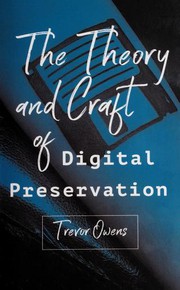
Provides the deeper philosophical and practical grounding for sustainable digital stewardship; reading it after Corrado lets you critically evaluate tool choices and institutional strategies rather than just following recipes.
Professional Identity, Ethics & Career Credentials
ExpertUnderstand the ethical obligations of the profession, the landscape of archival credentials (CA, DAS, CRM), and how to position yourself for employment and advancement.
▸ Study plan for this stage
Pace: 4–5 weeks, ~25–30 pages/day (approximately 150–180 pages total across both books)
- Archivists as knowledge workers and public servants with distinct professional responsibilities in the digital age
- Core ethical principles: access, authenticity, impartiality, and accountability in archival practice
- The landscape of archival credentials (CA, DAS, CRM) and their role in professional recognition and career advancement
- How archivists position themselves as trusted intermediaries between institutions, communities, and users
- The evolving definition of archival work in response to technological change and social accountability
- Professional identity formation through engagement with archival standards, codes of ethics, and peer communities
- Career pathways and employment strategies aligned with credential levels and institutional contexts
- What are the core ethical obligations outlined in archival codes of conduct, and how do they apply to real-world scenarios in your intended work setting?
- How do the three main archival credentials (CA, DAS, CRM) differ in scope, prerequisites, and career implications, and which aligns with your career goals?
- What does it mean to be a 'knowledge worker' in archival practice, and how does this identity shape your responsibilities to users, institutions, and communities?
- How can archivists use digital tools and community engagement to strengthen their professional identity and demonstrate value to employers?
- What strategies can you employ to position yourself competitively for employment or advancement in the archival field?
- How do Theimer's and Millar's perspectives on archival professionalism inform your understanding of where the field is heading and your role within it?
- Create a personal ethics case study: Identify a real or hypothetical archival dilemma (e.g., access restrictions vs. community requests, authenticity concerns with digital surrogates) and write a 2–3 page analysis using the ethical frameworks discussed in both texts.
- Credential comparison matrix: Research and document the specific requirements, costs, renewal processes, and career benefits of CA, DAS, and CRM credentials; then draft a 1–2 page reflection on which credential(s) align with your career trajectory.
- Professional identity statement: Write a 500–750 word statement articulating your archival philosophy, core values, and how you see yourself contributing to the profession—grounded in concepts from Theimer and Millar.
- Institutional positioning exercise: Select a real archival institution (academic, public, corporate, or community-based) and develop a one-page proposal for how you would position archival services to demonstrate value and build trust with stakeholders.
- Peer engagement plan: Identify 3–5 professional organizations, conferences, or online communities mentioned or implied in the readings; draft a 12-month engagement strategy to build your professional network and visibility.
- Digital ethics scenario: Choose a contemporary archival challenge (e.g., metadata bias, digital preservation rights, user privacy) and write a 2–3 page reflection on how archivists should navigate it ethically and professionally.
Next up: This stage establishes your professional foundation and ethical grounding, preparing you to apply these principles and credentials to specialized archival domains—whether managing specific collection types, leading institutional change, or addressing emerging challenges in your next area of focus.

Reframes the archivist's professional role around user engagement and outreach — essential reading for interviews and portfolio development in a field increasingly focused on access and community.

A comprehensive capstone text that synthesizes theory, practice, and professional ethics in one volume; its broad scope makes it ideal for reviewing everything you have learned and identifying gaps before pursuing the Certified Archivist exam.
Discussion
Keep reading
Paths that share books, cover the same subject, or open a related topic.