A Series of Unfortunate Events Reading Order
The thirteen Baudelaire books are one continuous story and should be read in published order, first to last — the running gags, the recurring strangers and the VFD mystery are all built cumulatively. What changes across the run is the shape of the book: the first four are near-identical puzzle-boxes, the middle ones start breaking their own formula, and the last four abandon the guardian-of-the-week structure entirely. These stages mark those shifts, and end with the companion volumes that only make sense once you have finished.
Start Here: The Formula
BeginnerLearn the pattern the whole series later subverts — orphans, a new guardian, a disguised Count Olaf, an escape.
▸ Study plan for this stage
Pace: One to two weeks for The Bad Beginning (176 pages), The Reptile Room (192) and The Wide Window (214). These are short children's books and an adult reads one in an hour or two; a nine-year-old will take a few evenings each. Read them in published order and close together — the running jokes are cumu
- The formula itself: three orphans, a new guardian, Count Olaf in a transparent disguise that only the children see through, a narrow escape, no lasting improvement
- The narrator as a character. Lemony Snicket defines words, warns you to stop reading, digresses about his own griefs, and is clearly involved in the story in a way he will not explain
- Adults as the actual antagonists — Mr Poe and the guardians are not villains but they are uselessly, comically incapable of listening, which is the joke and the grievance
- The three children as three tools: Violet invents, Klaus reads, Sunny bites. Every escape is engineered from those three capacities and the constraint is what makes the plots work
- Refusing the happy ending on principle. The Bad Beginning establishes that the children will not get a win, and the series keeps that promise for thirteen books
- Uncle Monty and Aunt Josephine as the first argument that a kind adult and a safe adult are not the same thing
- Background detail that will matter later: an eye motif, a tattoo, a spyglass, strangers who recur. None of it is explained here and all of it is deliberate
- What exactly is the pattern of a book in this stage? Write it in five steps.
- What do you know about the narrator by the end of The Wide Window, and how has he told you?
- Why does Mr Poe never help? What is the series saying about adults who mean well?
- What is the eye, and how often have you now seen it?
- By the end of The Wide Window you can predict the structure. What do you expect to happen in book four?
- Write down your five-step formula after The Wide Window. It is the document the rest of the series is going to dismantle and having it on paper makes the dismantling visible.
- Note every time the narrator defines a word. The joke changes as the series goes on and the definitions eventually stop being jokes at all.
- Start a list of unexplained background details — the eye, the tattoo, any recurring stranger. Do not look anything up; the list is the fun.
- If reading aloud, read the narrator's warnings in a completely flat voice. It is much funnier and it teaches a young listener what irony sounds like.
Next up: You now know the pattern well enough to predict it, which is precisely the state Handler wants you in — the next four books start bending the formula, and the bending only registers if you had the shape in your head first.

The only correct starting point, and the shortest. It establishes the narrator's habit of defining words, warning you to stop reading, and refusing to give the children a win.

The warmest book in the series and the one that proves the first was not a fluke. Read second: it teaches you that a kind adult is not the same thing as a safe one.
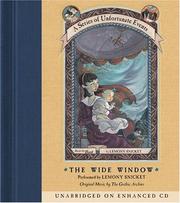
The formula at its purest, with the grammar-obsessed Aunt Josephine. By the end of this one you should be able to predict the structure — which is exactly when Handler starts bending it.
The Formula Cracks
BeginnerWatch the background details — the eye, the tattoo, the recurring strangers — resolve into an actual conspiracy.
▸ Study plan for this stage
Pace: Two weeks for The Miserable Mill (202 pages), The Austere Academy (235), The Ersatz Elevator (259) and The Vile Village (256). The books get noticeably longer from here and the tone gets colder — The Miserable Mill is the bleakest thing in the first half and the first place a young reader may want a
- The Miserable Mill as the pivot out of cosy: a lumber mill, hypnosis, and the first time a Baudelaire is genuinely turned against the others
- The Quagmire triplets in The Austere Academy — the first allies the children have ever had, and the first characters who know something the Baudelaires do not
- Serialisation beginning in The Ersatz Elevator, where the plot continues directly from the previous book rather than resetting. This is the moment the series stops being episodic
- V.F.D. finally getting an explanation that raises more questions than it answers, which is the series' governing joke about mysteries
- The loss of adult authority in The Vile Village, after which the children are legally on their own — a structural change more than an emotional one, and everything afterward depends on it
- The background details from the first stage promoted to foreground: the eye, the spyglass and the recurring strangers turn out to be one conspiracy
- Escalating stakes without escalating melodrama. Handler keeps the jokes and the alliteration exactly where they were, which is why the darkening is so easy to miss
- What happens to Klaus in The Miserable Mill, and why is it more frightening than anything in the first three books?
- What do the Quagmires know that the Baudelaires do not, and how does Handler use that gap?
- What is the first thing you learn V.F.D. stands for, and how satisfying is the answer?
- At what point can the books no longer be read out of order? Name the book and say why.
- What changes for the Baudelaires legally and practically at the end of The Vile Village?
- Check your five-step formula from the last stage against each of these four. Mark which step breaks first — it is earlier than most readers remember.
- Track the Quagmires' information separately from the Baudelaires'. The series is built on the gap and following it is most of the pleasure of the middle books.
- Add every new V.F.D. detail to your list. By the end of the series the list will be long and will still not resolve, which is the point.
- If reading with a child, The Miserable Mill is the volume to read alongside them. It is where the series stops being reliably comic and a conversation about that is worth having.
Next up: With the conspiracy in the open and the adults removed, the middle books can do the thing the formula never allowed — put the children in charge of their own deceptions, and make them pay for it.
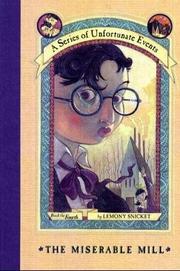
The bleakest of the early books and the first where a Baudelaire is genuinely turned against the others. Read fourth; it is the pivot out of the cosy pattern.
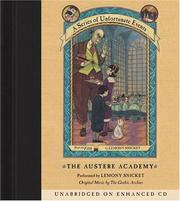
Introduces the Quagmire triplets, the first allies the Baudelaires have ever had, and with them the series' long game. Everything from here assumes you know them.

The plot now continues directly from the previous book rather than resetting. This is the moment the series becomes serial rather than episodic.
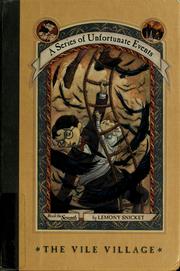
The initials V.F.D. finally get an explanation that raises more questions than it settles, and the children lose the protection of adult authority for good.
On the Run
BeginnerFollow the middle run, where the Baudelaires stop being rescued and start deceiving people themselves.
▸ Study plan for this stage
Pace: Two weeks for The Hostile Hospital (263 pages), The Carnivorous Carnival (286) and The Slippery Slope (337). The Hostile Hospital and The Carnivorous Carnival are effectively one book split in two and end on the series' most abrupt cliffhanger, so have both to hand before starting either. The Slippe
- No guardian at all — The Hostile Hospital is the first book with no adult custodian, which changes the entire structure of a Snicket plot
- The children as deceivers: they now go undercover, lie, and manipulate, which opens the series' central moral question about what a good person may do to survive
- The Carnivorous Carnival as the direct second half of the previous book, with the series' harshest cliffhanger, and a genuine argument about mob behaviour underneath the freak-show comedy
- The Slippery Slope as the payoff volume: everything tracked since The Austere Academy — the Quagmires, V.F.D., Olaf's own history — starts converging
- Villains with backstories. The series begins suggesting that Olaf was made rather than born, which is the most serious idea in it
- Sunny's development from a biting infant into a person, which is Handler's quietest long-form joke and pays off here
- Moral ambiguity replacing moral clarity: by The Slippery Slope the Baudelaires have done things they cannot justify, and the narrator declines to excuse them
- What is the first genuinely bad thing the Baudelaires do, and does the book let them off for it?
- How does The Carnivorous Carnival continue from The Hostile Hospital — what would you lose by reading them a year apart?
- What is suggested about Count Olaf's past, and does it change how you read his earlier appearances?
- Why is The Slippery Slope so often named the best book in the series? Give a structural answer, not just a preference.
- The series has been building dread for nine books. What is it actually dread of, at this point?
- Read The Hostile Hospital and The Carnivorous Carnival back to back in the same week. The cliffhanger is designed to be crossed immediately.
- Keep a short ledger of the Baudelaires' own wrongdoing from The Hostile Hospital onward. It grows, and the series expects you to notice.
- Before The Slippery Slope, reread your V.F.D. list. This is the book that converts the largest number of entries from mystery into fact.
- Note where the narrator's tone changes in The Slippery Slope. He becomes less playful and more openly grieving, and it is the strongest signal the series is ending.
Next up: The children are now morally compromised and the conspiracy is half-visible, which is exactly the position the last three books need in order to end the way they end rather than the way a children's series usually does.
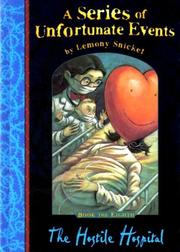
The first book with no guardian at all. The children go undercover, and the series' central moral question — what a good person may do to survive — opens here.
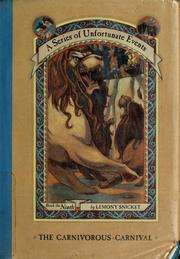
Reads as the direct second half of the previous book and ends on the series' most abrupt cliffhanger. Do not read these two apart.
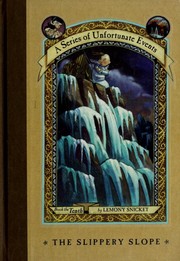
Widely considered the best in the series and the one that rewards everything you have been tracking. Read ninth — its power depends entirely on the accumulated dread.
The Ending
IntermediateFinish the arc and sit with an ending that deliberately withholds the answers a mystery normally owes you.
▸ Study plan for this stage
Pace: Two to three weeks for The Grim Grotto (323 pages), The Penultimate Peril (353) and The End (368). The first two are long and busy; The End is short in substance despite the page count and can be read in one sitting. Read the three consecutively — The Penultimate Peril brings back nearly every chara
- The Grim Grotto's submarine as a change of scale, and the volume that finally binds the V.F.D. schism to the Baudelaires' own family history
- The parents' involvement, which the series has hinted at since the first book and which is neither exonerating nor damning — the most grown-up move Handler makes
- The Penultimate Peril as convergence: a hotel, a trial, and nearly every surviving character, which only works cumulatively and is the strongest argument against skipping
- The trial and the blindfolds as the series' clearest piece of allegory about justice, and its most explicit statement that the adults were never going to help
- The End's deliberate withholding: the sugar bowl, the schism, the narrator's own story — none of it is resolved, and the book says so directly
- The island as a fable rather than a plot, and a considerable tonal departure that divides readers permanently
- The argument the whole series has been making — that the world is not sorted into wicked and noble people — stated outright at the end, which is why the mystery cannot be solved
- What do you learn about the Baudelaire parents, and does it change your sympathy for anyone?
- Why does The Penultimate Peril bring everyone back at once, and what does the trial scene say about the adults in this series?
- What is in the sugar bowl? More usefully: why does the series refuse to tell you, and is the refusal a cheat or the point?
- The End is much more like a fable than the other twelve books. Does the shift work?
- After thirteen books, what is the series' actual position on good and evil? It states it fairly plainly by the close.
- Before The Penultimate Peril, spend ten minutes listing every character you can remember from books one to eleven. The hotel is a reunion and it rewards preparation.
- Write down your answer to the sugar bowl question before reading The End. Then write down how you feel about the answer you get.
- After finishing, reread the first two pages of The Bad Beginning. The narrator's opening warning is a completely different sentence with the ending behind it.
- Decide, in writing, whether the withholding is a failure of plotting or the series' thesis. This is the argument that has kept the books alive for twenty years and it is worth having your own side.
Next up: The main thirteen are finished and nothing can be spoiled any more, which is the only condition under which the companion volumes make sense — they are documents about the narrator, and they assume you now care who he is.
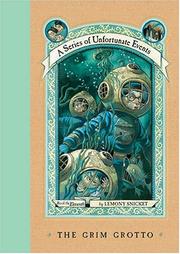
The submarine book, and the one that binds the VFD schism to the children's own family history. Read straight on from The Slippery Slope.
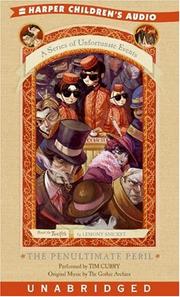
Nearly every character from the previous eleven books converges in one hotel. It only works if you have read them all in order, which is the best argument for not skipping.
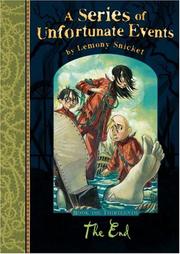
Short, strange, and openly unwilling to tie off the mystery. Read it as the intended conclusion, then decide whether the withholding is a cheat or the point — that argument is most of the series' afterlife.
The Companions
IntermediateFill in the VFD backstory through the side volumes and the prequel series, once the main thirteen can no longer be spoiled.
▸ Study plan for this stage
Pace: One to two weeks and much lighter going. The Beatrice Letters is 72 pages and takes half an hour, though the die-cut cards mean it needs a physical copy. The scrapbook volume our catalogue lists simply as Lemony Snicket is his unauthorized autobiography, 218 pages of documents, photographs and redac
- The Beatrice Letters as the closest thing to an epilogue: a correspondence between Snicket and Beatrice, and meaningless before The End
- Documents as a form. The autobiography is a collage of evidence rather than a story, and it is deliberately unreliable — it is material to argue with, not answers
- Redaction as a joke and a method: pages are struck through, photographs are misidentified, and the reader is asked to do the detective work
- V.F.D. filled in from the narrator's side, which explains the organisation's structure while making its schism murkier rather than clearer
- All the Wrong Questions as a genuine departure — Who Could That Be at this Hour? is noir pastiche with a thirteen-year-old Snicket as apprentice, and it is funnier and faster than the main series
- Snicket as protagonist rather than narrator, which answers the question the thirteen books never would: what was he actually doing all that time
- Reading order that only works one way. Every one of these spoils the main series and is spoiled by reading it first
- What does The Beatrice Letters tell you that the main series would not, and what does it still withhold?
- The autobiography is unreliable on purpose. How can you tell which documents to trust?
- How does V.F.D. look from inside the organisation, and is it more or less sympathetic than it appeared?
- How does the young Snicket of All the Wrong Questions square with the narrator of the thirteen books?
- Having read all of it, has anything actually been resolved? What kind of series ends this way, and is it a children's series?
- Get The Beatrice Letters in physical form. The die-cut cards are the book and no digital edition reproduces them.
- Read the autobiography with a pencil, marking what you believe and what you do not. It is designed for exactly this and it is unsatisfying read passively.
- Update your V.F.D. list one last time and note how many entries remain open. The number is the honest measure of what this series is doing.
- Start Who Could That Be at this Hour? only if you want a new four-book series rather than a coda. It is good, and it is a fresh commitment rather than an ending.
Next up: This is the end of the path — the thirteen books, the documents around them and the prequel that begins the narrator's own story — and the natural next move is either the three remaining All the Wrong Questions novels or a reread of The Bad Beginning, which is a different book entirely once you know who is telling it.
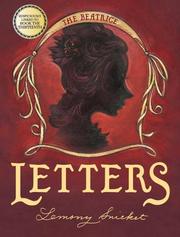
A short correspondence between Snicket and Beatrice, punched with die-cut cards. Read it after The End: it is the closest thing to an epilogue and it is meaningless before.
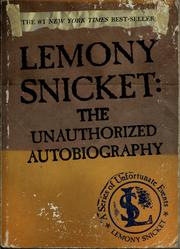
A scrapbook of documents that fills in VFD from the narrator's side. Deliberately unreliable and best treated as evidence to argue with rather than answers.
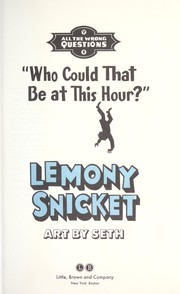
The first book of All the Wrong Questions, the prequel series about Snicket's own apprenticeship. Start it only after The End — it assumes you already care who this narrator is.
Discussion
Keep reading
Paths that share books, cover the same subject, or open a related topic.