Zen is a tradition that famously distrusts words — and yet the right words, read in the right order, open the door. The risk for newcomers is diving into koan collections or dense commentaries before the basic posture of practice is clear, which turns Zen into a puzzle rather than a path. A sequenced reading keeps the emphasis where Zen puts it: on sitting, attention, and direct experience.
Start with the warmest modern classics, ground yourself in meditation practice, then move toward the koans and the great teachers.
Begin with the classics
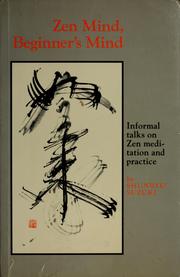
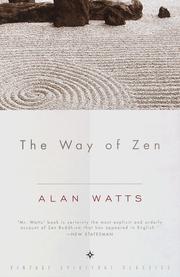
Open with Shunryu Suzuki's Zen mind, beginner's mind, perhaps the most beloved introduction, and Alan Watts's The Way of Zen for the history and philosophy behind it. These set the tone: spacious, plain, unhurried.
Ground the practice
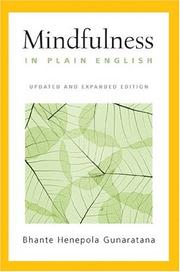
Zen is something you do. Bhante Gunaratana's Mindfulness in plain English teaches meditation with unusual clarity, and Kosho Uchiyama's Opening the Hand of Thought deepens the sitting practice at the heart of Soto Zen. Philip Kapleau's The Three Pillars of Zen rounds out the practical foundation with instruction and firsthand accounts.
The koans and the masters
Now the deeper waters. Zen flesh, zen bones gathers classic stories and koans, and Thomas Cleary's Secrets of the Blue Cliff Record opens one of the great koan collections. Read Dogen's Moon in a dewdrop for the founder of Soto Zen at his most poetic, Thich Nhat Hanh's The heart of the Buddha's teaching for a bridge to broader Buddhism, and Barry Magid's Ending the Pursuit of Happiness for a modern psychological angle.
Follow the full reading path for study plans on each stage and verified editions, in order.
Follow the full reading path →
Ready to learn something deeply?
Build a reading path — free