Danish is famously tricky to pronounce even though its grammar is fairly gentle for English speakers, so the right learning order matters. You want a solid beginner course and a clear grammar first, then real reading practice, then reference works to keep you honest as you advance. Rushing to native material too early just produces confusion; skipping the readers leaves you grammatically correct but unable to follow anything.
Start with foundations, build up through structured practice, then reach for reference and reading.
Foundations
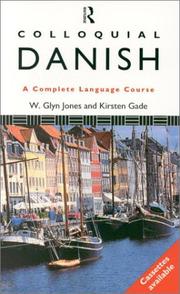
Begin with Complete Danish (Learn Danish with Teach Yourself), Bente Elsworth's self-study course, which walks you through the basics with audio and graded lessons. Alongside it, keep Danish: An Essential Grammar, Tom Lundskaer-Nielsen's clear reference, to answer the questions a course cannot pause for. Add Colloquial Danish, W. Glyn Jones' conversation-focused course, for spoken patterns and everyday phrases.
For an early confidence boost, Hej Danmark, Susanne Gram Mortensen's beginner course, introduces vocabulary and culture in small, friendly steps.
Building up
Once the basics hold, push into reading and heavier grammar. Short Stories in Danish for Beginners, Olly Richards' graded reader, gives you full narratives at your level, the single most effective way to convert study into comprehension. When you want the full picture of the language's structure, Danish: A Comprehensive Grammar, Lundskaer-Nielsen's thorough reference, covers everything the essential grammar leaves out.
For learners who want an intensive push, Routledge Intensive Danish, Lundskaer-Nielsen's course combining grammar and practice, moves faster and demands more, which suits motivated self-studiers.
Reference and independence
As you approach independence, a monolingual dictionary changes your learning. Politikens Nudansk Ordbog, the standard modern Danish dictionary, lets you look up words in Danish and start thinking in the language rather than translating. It is a milestone tool rather than a beginner one.
Books build the foundation, but a language lives in listening and speaking, so pair every stage with Danish audio and conversation. Read the courses in order, and follow the full path to keep the sequence straight.
Follow the full reading path →
Ready to learn something deeply?
Build a reading path — free