The books that teach poetry fall into three uneven groups, and reading them in the wrong proportion is the usual mistake. There are craft-and-revision books, which teach you what to do with a draft. There are prosody books, which teach meter and form and are far more technical than beginners expect. And there are books about the poet's attention and imagination, which teach nothing procedural and often matter most.
Starting with prosody is the classic error — you learn to scan a line before you have written one worth scanning. Start with revision, get the line under your hand, then take on meter deliberately rather than as a first hurdle. And read poems throughout, in far greater volume than you read books about poems; every writer on this path says so.
Craft, revision and permission
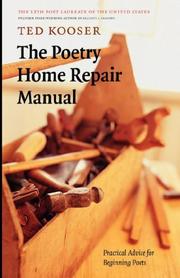
Ted Kooser's The Poetry Home Repair Manual is the friendliest opening: practical, unpretentious advice on making a draft better, aimed at people who are actually writing rather than at seminar rooms. Its chapters on first lines, on cutting, and on writing for a reader rather than at one are immediately usable.
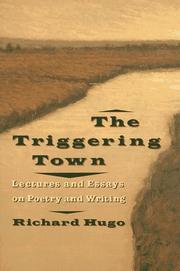
Richard Hugo's The Triggering Town is short, idiosyncratic and the book many poets name when asked which one changed things. Its central idea — that the subject that triggers a poem is not the subject the poem ends up about, and that you must be willing to betray the triggering subject — reframes what a draft is for. Read it early and again later.
Mary Oliver's A Poetry Handbook is the compact primer that covers sound, line, form and imagery in plain language without diluting the technical content. It is a good bridge between the craft books and the prosody ones.
The line
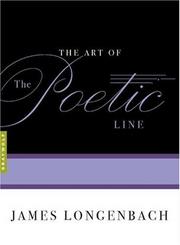
James Longenbach's The art of the poetic line deserves its own place because it isolates the thing that makes verse verse: where the line ends, and what the tension between line and syntax does to meaning. It is a short, precise book about a decision poets make dozens of times per poem and rarely examine directly. Read it once you have drafts to test it against.
Meter and form, chosen carefully
Three books on this path cover prosody and they suit different readers, so pick rather than read all three. Timothy Steele's All the fun's in how you say a thing is the most thorough and patient treatment of meter in English — genuinely instructive on how accentual-syllabic verse works and why substitutions matter. Stephen Fry's The Ode Less Travelled is the most enjoyable and the most exercise-driven, with the tone of a generous tutor and plenty of do-this-now assignments. Paul Fussell's Poetic meter and poetic form is the scholarly one, strong on the historical development of forms and on what a form means as well as how it works.
If you want to write in meter, Steele. If you want to enjoy learning it, Fry. If you want the critical and historical frame, Fussell.
Robert Pinsky's The sounds of poetry is a different animal and worth reading regardless: it is about hearing poems, vowel and consonant texture, and the physical experience of a line in the mouth, and it insists that poetry is an art of sound before it is an art of print.
Attention and the long haul
Mary Ruefle's Madness, Rack, and Honey is a collection of lectures rather than a manual — associative, funny, and concerned with what a poet notices and how a mind stays alive to language. It teaches nothing you can put on a checklist and is the book several people on this path would keep. Kim Addonizio's The Poet's Companion, written with Dorianne Laux, is the practical closer: subject matter, technique, exercises, and clear-eyed advice about workshops, revision habits and submitting work.
One thing no craft book replaces: read a great deal of poetry, and read it aloud. Follow the full path to work from revision through the line to form.
Follow the full ordered path here: Best Books on Writing Poetry, in Reading Order.