Australian literature reads as a sustained argument about land, belonging and what the colonial project did — an argument in which each generation of novelists answers the last. Read the books in isolation and each is fine. Read them in sequence and the contemporary First Nations novels arrive as direct responses to the bush mythology the nineteenth-century books built, which is a far more interesting experience.
One practical warning before you start. Two of the earliest books here are genuinely hard going, and starting with the hardest is how most reading plans die. If you want a gentler entry, begin with Tim Winton or Kate Grenville and come back to the colonial material once you are invested. The order below is chronological; feel free to enter it in the middle.
The colonial and Federation period
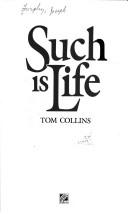
Such is life by Joseph Furphy, published under the name Tom Collins in 1903, is the deliberately shaggy, digressive bush novel that Australian critics have argued about ever since — funny, philosophical and structurally perverse. It rewards patience and does not reward skimming.
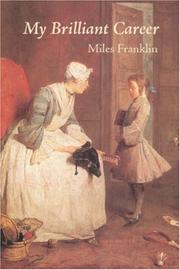
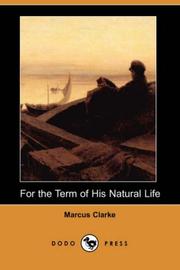
My Brilliant Career by Miles Franklin, written when she was a teenager, is far more immediately readable: a fierce, funny account of a young woman refusing the life the bush had planned for her, and still the sharpest early Australian novel about gender and rural constraint. For the Term of His Natural Life by Marcus Clarke is the great convict novel, a melodramatic and genuinely harrowing account of the penal system in Van Diemen's Land, and the foundational text of Australia's convict self-understanding.
The mid-century modernists
Patrick White dominates this stretch and won the Nobel in 1973. The tree of man is the accessible entry: an ordinary settler couple's life on a small holding, rendered with an intensity that turns domestic routine into something close to epic. Voss is his masterpiece and the harder book — an inland exploration novel based loosely on Ludwig Leichhardt, built around a telepathic correspondence between the explorer and a young woman in Sydney, and a devastating study of European will breaking against country it refuses to understand. Riders in the chariot extends the same interest in visionaries and outsiders into postwar suburban Sydney. Read one White novel before committing to three; if only one, make it Voss.
First Nations writing and the contemporary reckoning
Carpentaria by Alexis Wright is the major novel of the last twenty years — a sprawling, mythic, funny book set in the Gulf country that operates on Waanyi narrative terms rather than European ones, and it will reset your sense of what an Australian novel can do. Taboo by Kim Scott returns to a massacre site in Western Australia with a spare, quiet story about descendants and reconciliation. Too Much Lip by Melissa Lucashenko is the sharpest and funniest of the three, a contemporary family novel about land, violence and inheritance that refuses every available piety.
The frontier and the argument about it
The Secret River by Kate Grenville follows a transported convict who takes land on the Hawkesbury and participates in what follows. It is a powerful novel and it sits at the centre of a real dispute: historians including Inga Clendinnen challenged the claim that fiction can access frontier history in ways history cannot, while Grenville and her defenders argued for the moral work the novel does. Read it after the First Nations novels rather than before, and read the argument too.
Close with Cloudstreet by Tim Winton, the warmest book on the path — two families sharing a Perth house across two decades — and the one most Australians name first when asked. Follow the full path in order and the country the books argue over becomes the most interesting character in them.
Follow the full ordered path here: Best Australian Literature to Read, in Order.
Ready to learn something deeply?
Build a reading path — free